E-mail:
sales@silicone-sealant-china.com

The first step in preparing for new sealant application is the complete removal of old, degraded sealant. This involves using tools such as a utility knife, scraper, or putty knife to carefully cut and scrape away the old material. The goal is to eliminate all traces of the previous sealant to ensure a clean surface for the new application. Pay special attention to corners and edges where old sealant may have accumulated more thickly.
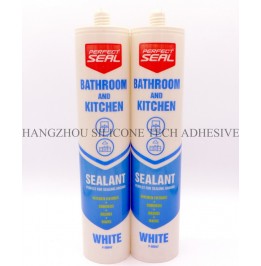
In cases where old sealant is particularly stubborn or has adhered strongly to the surface, chemical sealant removers can be used. These products work by breaking down the chemical bonds in the sealant, making it easier to remove. Apply the remover according to the manufacturer's instructions, allowing it to penetrate the sealant for the recommended time before attempting to scrape it away. Always wear gloves and ensure adequate ventilation when using chemical removers.
Once the old sealant has been removed, the next crucial step is to thoroughly clean the surface. This involves using a suitable cleaner to remove any remaining residue, dirt, or debris. For bathroom surfaces, a mild detergent or a specialized bathroom cleaner can be effective. Use a scrub brush or sponge to work the cleaner into the surface, paying particular attention to areas where the old sealant was present.
After cleaning, it is essential to allow the surface to dry completely before applying new sealant. Moisture can interfere with the adhesion of the new sealant, leading to poor performance and potential leaks. Use a clean, dry cloth to wipe down the surface and remove any excess moisture. If necessary, use a fan or dehumidifier to speed up the drying process, especially in humid bathroom environments.
Before applying new sealant, carefully inspect the area for any signs of mold or mildew. These fungi can thrive in damp bathroom environments and can compromise the integrity of the new sealant if not addressed. If mold or mildew is present, treat the area with a mold and mildew remover according to the product instructions. Ensure that the area is completely dry after treatment before proceeding with sealant application.
In addition to inspecting the area where the old sealant was removed, it is also important to assess the condition of adjacent surfaces. Look for any signs of damage, such as cracks or chips, that may need to be repaired before applying new sealant. Addressing these issues beforehand will help ensure a smooth and even application of the new sealant and prevent future problems.
Copyright 2019 by Hangzhou Silicone Tech Adhesive Co., Ltd. All rights reserved.
Bathroom Sealant | Acrylic Sealant | Dow Corning 795 | Aquarium Sealant | Dow Corning 732 | Clear Silicone Sealant | Polysulfide Sealant | Glazing Sealant | Mirror Sealant | IG Sealant
Powered by Onepound


