E-mail:
sales@silicone-sealant-china.com

When renovating or maintaining a bathroom, ensuring the compatibility of bathroom sealants with tile glaze is crucial. Reactions between these materials can lead to discoloration, cracking, or even complete failure of the sealant, compromising both aesthetics and functionality. Here are some practical strategies to prevent such unwanted interactions.
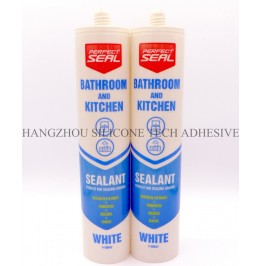
Before selecting a bathroom sealant, it's essential to understand the composition of your tile glaze. Different glazes contain varying amounts of silica, feldspar, and other minerals, which can react differently with sealant ingredients. For instance, some glazes may be more alkaline-resistant, while others are sensitive to acidic compounds commonly found in sealants. Contact the tile manufacturer or consult technical datasheets to gather information about the glaze's chemical properties and compatibility recommendations.
Similarly, examine the chemical composition of potential sealants. Look for products that are specifically formulated for use with ceramic or porcelain tiles, as these are more likely to be compatible with common glaze types. Avoid sealants containing high levels of solvents, acids, or alkalis that could etch or discolor the glaze over time. Instead, opt for water-based or low-VOC (volatile organic compound) sealants, which tend to be gentler on tile surfaces.
Proper surface preparation is key to preventing reactions between sealants and tile glaze. Begin by thoroughly cleaning the tile surface to remove any dirt, grease, or soap scum that could interfere with sealant adhesion or trigger chemical reactions. Use a mild, pH-neutral cleaner and a soft cloth or sponge to avoid scratching the glaze. Rinse the surface with clean water and allow it to dry completely before applying the sealant.
Before applying the sealant to the entire tile surface, conduct a compatibility test in an inconspicuous area. Apply a small amount of sealant to a corner or edge of the tile and allow it to cure according to the manufacturer's instructions. After curing, inspect the area for any signs of discoloration, cracking, or adhesion failure. If no adverse reactions occur, the sealant is likely safe to use on the rest of the tile surface. If you notice any issues, discontinue use and seek an alternative product.
The tools you use to apply the sealant can also impact its compatibility with tile glaze. Avoid using metal tools, such as putty knives or trowels, which can scratch the glaze and create pathways for chemicals to penetrate. Instead, opt for plastic or silicone tools that are less likely to damage the surface. Additionally, use a high-quality caulking gun to ensure a smooth, even application of the sealant, reducing the risk of excess material pooling on the tile and potentially causing reactions.
When applying the sealant, aim for thin, even layers rather than thick globs. Thick applications take longer to cure and are more likely to trap moisture, which can accelerate chemical reactions between the sealant and tile glaze. Use a steady hand and consistent pressure to create a uniform bead of sealant along the joint or seam. If necessary, use a caulk finishing tool or a damp finger to smooth the sealant and remove any excess material.
After applying the sealant, allow it to cure completely before exposing it to moisture or heavy use. Curing times vary depending on the type of sealant and environmental conditions, so refer to the manufacturer's instructions for specific guidelines. Rushing the curing process can lead to incomplete bonding, which increases the risk of reactions between the sealant and tile glaze. If possible, keep the bathroom well-ventilated during the curing period to promote faster drying and reduce humidity levels.
To prevent long-term reactions between the sealant and tile glaze, conduct regular inspections of the bathroom surfaces. Look for any signs of discoloration, cracking, or peeling, which could indicate a chemical reaction or adhesion failure. If you notice any issues, address them promptly by removing the damaged sealant and reapplying a compatible product. Additionally, clean the tile surfaces regularly using mild, non-abrasive cleaners to remove dirt and grime that could contribute to chemical reactions over time.
By following these strategies, you can minimize the risk of reactions between bathroom sealants and tile glaze, ensuring a durable, attractive, and functional bathroom environment. Remember that prevention is key, so take the time to research materials, prepare surfaces properly, and apply sealants carefully to avoid costly repairs and replacements down the line.
Copyright 2019 by Hangzhou Silicone Tech Adhesive Co., Ltd. All rights reserved.
Bathroom Sealant | Acrylic Sealant | Dow Corning 795 | Aquarium Sealant | Dow Corning 732 | Clear Silicone Sealant | Polysulfide Sealant | Glazing Sealant | Mirror Sealant | IG Sealant
Powered by Onepound


