E-mail:
sales@silicone-sealant-china.com

When sealants are applied to surfaces, whether it's in bathrooms, kitchens, or other areas, understanding the limitations on using cleaning agents afterward is crucial. Improper use of cleaning products can damage the sealant, compromise its performance, and even lead to costly repairs. Here are some important considerations to keep in mind.
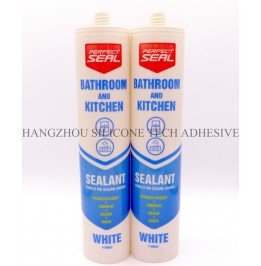
Acidic cleaning agents, such as those containing vinegar, citric acid, or hydrochloric acid, can be highly detrimental to many types of sealants. These acids can react with the components of the sealant, causing it to soften, discolor, or even dissolve over time. For example, silicone - based sealants are particularly vulnerable to acidic substances. When exposed to acid, the silicone polymer chains can break down, leading to a loss of elasticity and adhesion. This can result in the sealant cracking, peeling, or pulling away from the surface it's supposed to protect.
While some alkaline cleaners may seem harmless, they can also pose risks to certain sealants. High - pH alkaline solutions can cause the sealant to swell or become brittle. This is especially true for sealants that are not designed to withstand strong alkaline environments. For instance, acrylic - based sealants may react negatively to alkaline cleaners, leading to a change in their physical properties and a reduction in their lifespan. Over time, the sealant may lose its ability to effectively seal gaps and prevent the ingress of moisture, dirt, or other contaminants.
Solvent - based cleaning agents, which often contain organic solvents like acetone, toluene, or xylene, can be extremely aggressive towards sealants. These solvents have the ability to dissolve or soften many types of sealants, especially those that are oil - based or have a similar chemical structure. When used on a freshly applied sealant, organic solvents can prevent proper curing by interfering with the chemical reactions that occur during the hardening process. This can leave the sealant in a soft, tacky state, making it more susceptible to damage and reducing its overall effectiveness. Even on cured sealants, repeated exposure to organic solvents can gradually break down the material, leading to deterioration and failure.
Chlorinated solvents, such as trichloroethylene or perchloroethylene, are also known to have adverse effects on sealants. These solvents can cause the sealant to become discolored, lose its flexibility, and develop cracks. Chlorinated solvents are often used in industrial cleaning applications, but they should be avoided when cleaning areas with sealants. Their strong chemical nature can quickly degrade the sealant, compromising its ability to provide a waterproof or airtight seal.
After applying a sealant, there is an initial curing period during which the material is still in the process of hardening and reaching its full strength. During this time, it's essential to avoid using any cleaning agents, even those that are considered mild or non - aggressive. The presence of cleaning chemicals can disrupt the curing process, leading to an incomplete or uneven cure. This can result in a sealant that is weaker, more prone to damage, and less effective at sealing. The length of the initial curing period varies depending on the type of sealant and environmental conditions, so it's important to refer to the manufacturer's instructions for specific guidelines.
Once the sealant has fully cured, it's still important to be cautious about the frequency and type of cleaning agents used. Excessive or aggressive cleaning can gradually wear down the sealant over time, even if the cleaning agents are technically compatible. For example, using a harsh abrasive cleaner too frequently can scratch the surface of the sealant, creating pathways for moisture and dirt to enter. Instead, opt for gentle cleaning methods and mild, non - abrasive cleaning agents. Regularly inspect the sealant for signs of wear or damage, and adjust your cleaning routine accordingly to ensure its long - term performance.
When sealants are applied to porous surfaces, such as natural stone or unglazed ceramic tiles, the choice of cleaning agents becomes even more critical. Porous materials can absorb cleaning chemicals, which can then come into contact with the sealant from underneath. This can lead to internal damage to the sealant, even if the surface appears clean. In such cases, it's advisable to use cleaning agents that are specifically formulated for porous surfaces and are known to be compatible with the type of sealant used. Additionally, avoid using excessive amounts of water when cleaning porous surfaces, as this can also affect the sealant by causing it to swell or lose adhesion.
Although non - porous surfaces, like glazed ceramic tiles or glass, are less likely to absorb cleaning chemicals, they still require careful consideration when choosing cleaning agents. Some non - porous surfaces may have a special coating or finish that can be damaged by certain cleaning products. For example, a high - gloss finish on a tile may be scratched by an abrasive cleaner. Always test a small, inconspicuous area of the surface with the cleaning agent before applying it to the entire area with the sealant. This will help you determine if the cleaning agent is safe to use without causing any damage to the surface or the sealant.
By being aware of these restrictions on using cleaning agents after sealant application, you can protect the integrity and performance of your sealants, ensuring they provide long - lasting protection for your surfaces.
Copyright 2019 by Hangzhou Silicone Tech Adhesive Co., Ltd. All rights reserved.
Bathroom Sealant | Acrylic Sealant | Dow Corning 795 | Aquarium Sealant | Dow Corning 732 | Clear Silicone Sealant | Polysulfide Sealant | Glazing Sealant | Mirror Sealant | IG Sealant
Powered by Onepound


