E-mail:
sales@silicone-sealant-china.com

The first 48 hours after sealant application are critical for achieving proper adhesion and structural integrity. During this period, avoid exposing the sealed surface to water, moisture, or extreme temperature fluctuations. For outdoor projects, shield the area from rain using waterproof tarps or temporary shelters. If working indoors, maintain consistent room temperature between 5°C and 35°C, as humidity or cold can disrupt the curing process.
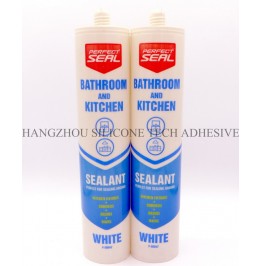
Mechanical stress should also be minimized. Refrain from walking, driving, or placing heavy objects on freshly applied sealants. For vertical surfaces like windows or doors, ensure frames remain stationary to prevent shifting that could create gaps. In high-traffic zones, use caution tape or barriers to restrict access until the material hardens sufficiently.
Between the third and fifth day, the sealant begins transitioning from a pliable state to a semi-rigid form. While it may appear dry, the material is still curing internally. Continue avoiding direct water exposure, especially for horizontal surfaces like floors or countertops. If cleaning is necessary, use a dry, soft cloth to gently remove dust—never apply liquid cleaners or solvents during this phase.
For joints in dynamic structures (e.g., expansion joints in bridges or buildings), monitor for uniform compression. If the sealant appears uneven or has pulled away from edges, consult a professional to assess whether reapplication is needed. Avoid adjusting or repositioning the sealant yourself, as improper handling can compromise its performance.
By the sixth day, most sealants reach 80% of their final strength, but full curing may take up to 28 days depending on the material type. During the last 48 hours of the initial week, gradually reintroduce normal use while remaining cautious. For flooring, test weight tolerance by placing light furniture or equipment before full restoration. For automotive or industrial seals, conduct a visual inspection for cracks or air bubbles before resuming operations.
Environmental factors continue to play a role. If temperatures drop below freezing or rise above 35°C during this period, extend precautions by covering the area or adjusting ventilation. For chemically sensitive environments (e.g., laboratories or food-processing facilities), verify that the sealant emits no volatile organic compounds (VOCs) before resuming full activity.
Even after the 7-day window, adopt practices to prolong the sealant’s lifespan. For exterior applications, clean the surface biannually with mild soap and water to prevent dirt buildup. Avoid abrasive tools or harsh chemicals, which can erode the material over time. For interior seals, address spills promptly to prevent staining or corrosion, particularly for silicone-based products used in kitchens or bathrooms.
Periodically inspect the sealant for signs of wear, such as discoloration, shrinkage, or detachment. Early detection of issues allows for timely repairs, preventing costly damage to underlying structures. By following these guidelines, you ensure the sealant performs optimally, providing durable protection against moisture, air infiltration, and environmental stressors.
Copyright 2019 by Hangzhou Silicone Tech Adhesive Co., Ltd. All rights reserved.
Bathroom Sealant | Acrylic Sealant | Dow Corning 795 | Aquarium Sealant | Dow Corning 732 | Clear Silicone Sealant | Polysulfide Sealant | Glazing Sealant | Mirror Sealant | IG Sealant
Powered by Onepound


