E-mail:
sales@silicone-sealant-china.com

Bathrooms are inherently humid spaces, and the sealant around showers, bathtubs, and sinks plays a crucial role in preventing water damage. Over time, constant exposure to moisture can weaken even high-quality sealants, leading to mold growth, discoloration, or cracking. Proper maintenance is essential to extend the lifespan of these materials and protect your bathroom’s structural integrity.
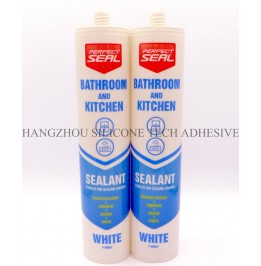
Humid environments accelerate the breakdown of sealant components, especially if the material isn’t specifically designed for wet conditions. Moisture can penetrate microscopic gaps, causing the adhesive properties to degrade. This creates opportunities for mold and mildew to thrive, which not only damages the sealant but also poses health risks. Additionally, temperature fluctuations—common in bathrooms due to hot showers—can cause the material to expand and contract, leading to cracks or separation from surfaces.
To combat these issues, it’s important to monitor the sealant’s condition regularly. Look for signs of wear, such as peeling edges, cloudy patches, or a sticky texture, which indicate that the material is no longer functioning effectively. Early intervention can prevent minor problems from escalating into costly repairs.
Regular cleaning is one of the most effective ways to maintain bathroom sealant in humid conditions. Use a soft-bristled brush or an old toothbrush to gently scrub the sealant lines during your weekly bathroom cleaning. Avoid abrasive tools like steel wool, which can scratch the surface and create entry points for moisture. For monthly deep cleaning, mix equal parts water and white vinegar in a spray bottle and apply it to the sealant. Let it sit for 10–15 minutes before rinsing with clean water and drying thoroughly with a microfiber cloth. Vinegar’s natural acidity helps dissolve soap scum and mineral deposits while inhibiting mold growth.
For stubborn stains or mildew, create a paste using baking soda and water. Apply it to the affected areas, let it dry, and then scrub gently with a brush. Always rinse and dry the sealant afterward to ensure no residue remains. Avoid using bleach-based cleaners frequently, as they can degrade certain types of sealant over time.
Mold and mildew thrive in damp, poorly ventilated spaces, making bathrooms a prime target. If you notice black or green spots forming along the sealant, act quickly to prevent spread. Wear gloves and a mask to protect yourself from spores, then apply a mixture of hydrogen peroxide and water (1:1 ratio) directly to the mold. Let it sit for 30 minutes before scrubbing with a brush and rinsing thoroughly. For persistent cases, repeat the process or use a commercial mold remover designed for bathroom surfaces.
After cleaning, ensure the area is completely dry. Use a squeegee to remove excess water from shower walls and tub surfaces after each use, and leave the bathroom door or window open for at least 30 minutes to improve airflow. If ventilation is limited, consider using a dehumidifier or installing an exhaust fan to reduce humidity levels.
In addition to cleaning, taking proactive steps can help minimize long-term damage to bathroom sealant. After showers or baths, wipe down the sealant with a dry towel to remove surface moisture. Pay special attention to corners and joints, where water tends to accumulate. If your bathroom lacks natural light, use a UV light sanitizer periodically to kill hidden mold spores without introducing harsh chemicals.
Another key strategy is to ensure proper installation from the start. If you’re renovating or replacing sealant, choose a product rated for high-moisture environments and follow the manufacturer’s instructions carefully. Allow adequate curing time before exposing the sealant to water, and avoid disturbing it during this period. Even with the best maintenance, sealant will eventually need replacement—typically every 5–10 years, depending on usage and environmental conditions.
By combining regular cleaning, mold prevention, and proactive habits, you can keep bathroom sealant in optimal condition despite the challenges of a humid environment. Consistent attention to these details will protect your bathroom from water damage and maintain a clean, healthy space for years to come.
Copyright 2019 by Hangzhou Silicone Tech Adhesive Co., Ltd. All rights reserved.
Bathroom Sealant | Acrylic Sealant | Dow Corning 795 | Aquarium Sealant | Dow Corning 732 | Clear Silicone Sealant | Polysulfide Sealant | Glazing Sealant | Mirror Sealant | IG Sealant
Powered by Onepound


