E-mail:
sales@silicone-sealant-china.com

Views: 329 Jan 28 , 2026
Protecting Marble from Alkaline Sealant Corrosion: Essential Strategies and Best Practices Marble, a porous and calcium-based natural stone, is vulnerable to chemical damage from alkaline substances. While alkaline sealants are valued for their strong adhesion and durability, their high pH levels can react with marble’s calcium carbonate composition, leading to...

Views: 486 Jan 28 , 2026
Understanding the Corrosive Effects of Acidic Sealants on Metals: Key Precautions and Solutions Acidic sealants, commonly used in construction and DIY projects for their strong adhesion and rapid curing properties, pose significant risks to metal surfaces due to their chemical composition. Unlike neutral-cure sealants, acidic variants release corrosive byproducts...
Views: 349 Jan 28 , 2026
Understanding the 72-Hour Usage Restriction After Sealant Application Sealants are essential for creating watertight, airtight, or structurally sound bonds in construction, automotive, and DIY projects. However, their performance hinges on proper curing, a process that demands patience. Many manufacturers and experts emphasize a 72-hour waiting period before...
Views: 355 Jan 26 , 2026
Temperature Control for Bathroom Sealant Storage: Key Considerations for Optimal Performance Understanding the Impact of Temperature on Sealant Quality Bathroom sealants, whether silicone-based or polyurethane-based, are sensitive to temperature fluctuations during storage. The chemical composition of these materials makes them prone to degradation when exposed...
Views: 897 Jan 26 , 2026
Potential Hazards and Identification Methods of Using Expired Sealants Sealants are widely used in construction, automotive, and household repairs to bond materials and prevent moisture or air infiltration. However, their performance degrades over time due to chemical reactions with environmental factors like oxygen, moisture, and heat. Using expired sealants poses...

Views: 512 Jan 26 , 2026
Protective Measures Against Volatile Gases from Sealants Sealants used in construction, automotive repairs, or DIY projects often release volatile organic compounds (VOCs) during application and curing. These gases can cause respiratory irritation, headaches, or long-term health issues if inhaled in high concentrations. Implementing safety protocols to minimize...
Views: 362 Jan 25 , 2026
Fire Safety Precautions During Bathroom Sealant Application Bathroom sealants, commonly used around showers, tubs, and sinks, often contain volatile organic compounds (VOCs) that can ignite if exposed to sparks, open flames, or high heat. Ensuring fire safety during application and curing requires strict adherence to guidelines for managing flammable materials and...
Views: 423 Jan 25 , 2026
Incompatibility Risks When Mixing Different Types of Sealants Sealants are engineered with specific chemical compositions to meet performance requirements in diverse applications, from construction to industrial piping. Mixing incompatible sealants can compromise structural integrity, trigger chemical reactions, or lead to premature failure. Understanding these risks...
Views: 719 Jan 25 , 2026
Pet Safety After Sealant Application: How Long to Keep Them Away Sealants are essential for maintaining clean, waterproof surfaces in homes, but their chemical composition poses risks to pets if not handled carefully. After application, pets may face exposure to fumes, wet surfaces, or residual chemicals, leading to health issues ranging from skin irritation to...
Views: 407 Jan 24 , 2026
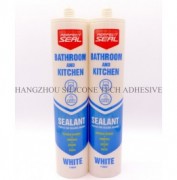
Bathroom Sealants and Food Contact: Key Safety Considerations Bathroom sealants are essential for preventing water damage and mold growth, but their chemical composition raises concerns when used near food preparation areas or kitchenware. Understanding the risks and implementing preventive measures ensures both effective sealing and food safety. Chemical...
Views: 543 Jan 24 , 2026
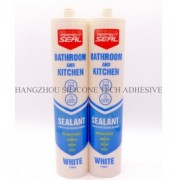
Keeping Children Safe During Sealant Application Projects Sealant application in homes, particularly in areas like bathrooms or kitchens, involves chemicals and tools that pose risks to children. Curiosity or accidental contact with wet sealant, fumes, or sharp tools can lead to injuries or health issues. Implementing clear safety measures ensures a child-free...
Views: 336 Jan 24 , 2026
Protecting Your Skin from Irritation When Working with Bathroom Sealants Bathroom sealants, while essential for waterproofing and preventing mold, often contain chemicals that can irritate the skin. Direct contact during application or cleanup may cause redness, itching, or dryness, especially for those with sensitive skin. Understanding risks and adopting preventive...
Copyright 2019 by Hangzhou Silicone Tech Adhesive Co., Ltd. All rights reserved.
Bathroom Sealant | Acrylic Sealant | Dow Corning 795 | Aquarium Sealant | Dow Corning 732 | Clear Silicone Sealant | Polysulfide Sealant | Glazing Sealant | Mirror Sealant | IG Sealant
Powered by Onepound


