E-mail:
sales@silicone-sealant-china.com

Sealants are essential for creating waterproof, airtight barriers in construction and renovation projects. However, their performance heavily depends on proper curing—a process that can be disrupted by environmental factors like high-temperature water. When uncured sealants come into contact with hot water, they may experience structural weaknesses, adhesion failures, or surface defects. This guide explores the science behind these interactions, the risks involved, and strategies to mitigate damage during and after application.
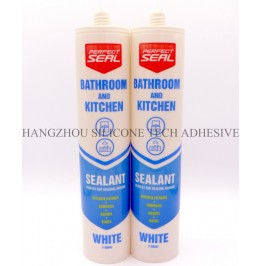
Uncured sealants contain reactive polymers and solvents that gradually harden through chemical cross-linking. High-temperature water accelerates or disrupts this process, leading to unpredictable outcomes.
Many sealants rely on solvents to maintain workability during application. When exposed to hot water, these solvents evaporate faster than intended, causing the sealant to cure unevenly. This rapid drying can create a hard outer layer while leaving the interior soft and brittle, reducing overall durability. For example, an uncured silicone sealant around a showerhead might develop cracks if hot water hits it shortly after application, as the outer surface hardens before the inner material fully cures.
Sealants cure through cross-linking, where polymer chains bond to form a stable structure. High-temperature water can interfere with this process by altering the reaction kinetics. In some cases, the heat may cause the polymers to degrade instead of bonding, resulting in a weak, sticky, or powdery sealant. Acrylic-based sealants are particularly vulnerable to this issue, as their curing mechanism relies on precise temperature and humidity conditions.
Uncured sealants lack the flexibility of fully cured products. When exposed to hot water, the sudden temperature rise can cause the sealant to expand unevenly, leading to internal stresses. As the material cools, contraction may create micro-cracks or delamination from the substrate. This is especially problematic in joints between dissimilar materials, such as tile and metal, where differential thermal expansion exacerbates the issue.
The consequences of exposing uncured sealants to hot water extend beyond immediate structural problems, affecting long-term performance and safety.
Proper curing is critical for achieving strong bonds between the sealant and substrate. High-temperature water can prevent the sealant from penetrating microscopic pores in the substrate, weakening adhesion. Over time, this may lead to peeling, bubbling, or complete sealant failure, particularly in high-moisture environments like bathrooms or kitchens.
Uncured sealants exposed to hot water often develop gaps or voids due to uneven curing or thermal stresses. These defects allow water, steam, or air to infiltrate, undermining the sealant’s primary purpose. For instance, a poorly cured sealant around a bathtub drain might leak water into the subfloor, causing rot or mold growth.
High-temperature water can cause chemical reactions that discolor or stain uncured sealants. This is common with pigmented sealants, where heat alters the color stability of dyes or additives. Additionally, uneven curing may result in a patchy or glossy finish, detracting from the intended appearance.
In commercial or industrial settings, sealant failure due to hot water exposure can create safety risks. For example, a weakened sealant in a food processing facility might allow water to contaminate surfaces, while a compromised seal in a healthcare environment could lead to hygiene issues.
Minimizing the risks associated with high-temperature water exposure requires careful planning, material selection, and application techniques.
Avoid applying sealants in areas where hot water will be used immediately after application. For residential projects, schedule sealing tasks during off-peak hours or when showers, sinks, or dishwashers won’t be in use for at least 24–48 hours, depending on the sealant’s curing time. In commercial settings, coordinate with facility managers to ensure minimal disruption during curing.
Protect uncured sealants from accidental hot water exposure by installing physical barriers.
Cover sealed joints with plastic sheeting or painter’s tape to create a waterproof shield. Ensure the barrier is securely fastened to prevent water from seeping underneath. For example, when sealing around a bathtub, drape plastic over the edges and tape it to the walls to block splashes.
In areas like sinks or showers, use removable silicone dams or plugs to block water flow during curing. These tools can be easily inserted and removed without damaging the sealant.
Modifying how sealants are applied can reduce their vulnerability to hot water.
Thicker sealant beads take longer to cure and are more susceptible to uneven drying when exposed to heat. Apply thinner, consistent beads to ensure faster, more uniform curing. This approach also reduces the risk of trapped solvents causing bubbles or voids.
In deep joints, insert a backer rod before applying sealant to control the depth and shape of the bead. This prevents the sealant from sinking too deeply, where it may cure slower and be more exposed to hot water.
Maintain stable temperature and humidity levels in the curing area to minimize the impact of external factors.
Use space heaters or fans to regulate the temperature, avoiding extremes that could stress the uncured sealant. For example, keep the bathroom door closed and avoid running hot water nearby during curing.
In dry environments, use a humidifier to prevent the sealant from curing too quickly. Conversely, in humid areas, a dehumidifier can help maintain optimal conditions.
By understanding the effects of high-temperature water on uncured sealants and implementing these preventive measures, contractors and DIY enthusiasts can ensure reliable, long-lasting seals. Prioritizing proper scheduling, protection, and application techniques safeguards against adhesion failures, waterproofing issues, and aesthetic damage, ultimately enhancing the durability and performance of sealed surfaces.
Copyright 2019 by Hangzhou Silicone Tech Adhesive Co., Ltd. All rights reserved.
Bathroom Sealant | Acrylic Sealant | Dow Corning 795 | Aquarium Sealant | Dow Corning 732 | Clear Silicone Sealant | Polysulfide Sealant | Glazing Sealant | Mirror Sealant | IG Sealant
Powered by Onepound


