E-mail:
sales@silicone-sealant-china.com

Bathroom sealants play a critical role in preventing water damage, mold growth, and structural issues by creating a watertight barrier around fixtures like sinks, showers, and bathtubs. However, their effectiveness depends on proper curing—a process that can be disrupted by external factors like heavy pressure. Applying weight to uncured sealant can lead to deformation, adhesion failure, or compromised waterproofing. This guide explores why heavy objects should never press on fresh sealant, the risks involved, and how to protect your work during the critical curing phase.
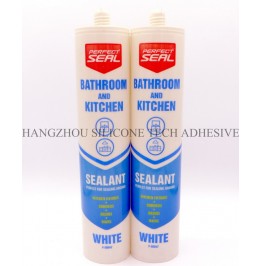
Uncured sealant remains soft and malleable for hours or even days after application, depending on the material and environmental conditions. During this time, it relies on chemical reactions to harden and bond to surfaces. Heavy pressure interrupts this process, causing physical and chemical damage.
Uncured sealant lacks the structural integrity to resist compression. When a heavy object—like a toolbox, toiletries container, or even a person’s foot—presses on it, the material deforms, creating dents, ridges, or uneven surfaces. For example, placing a shampoo bottle on a freshly sealed shower corner might leave a permanent indentation, weakening the seal’s ability to block water.
Most bathroom sealants cure through cross-linking, where polymer chains bond to form a durable network. Heavy pressure can physically separate these chains before they fully link, resulting in a weak, brittle, or powdery sealant. This is especially problematic with silicone-based sealants, which rely on precise curing conditions to achieve maximum strength.
For sealant to bond effectively, it must maintain intimate contact with the substrate during curing. Heavy pressure can lift or shift the material, breaking the bond and creating gaps between the sealant and surface. Over time, these gaps allow water to infiltrate, leading to leaks, rot, or mold growth behind walls or under fixtures.
Even with the best intentions, accidental pressure can damage uncured sealant. Identifying high-risk situations and taking proactive steps can save time and money on repairs.
After applying sealant, it’s tempting to clean the area or rearrange bathroom items immediately. However, tools like mops, brooms, or even hands can press on the sealant unintentionally.
Toiletries, decorative items, or cleaning supplies left on counters or shelves near fresh sealant risk pressing into the material. Even lightweight objects can cause damage if left for hours.
In showers or bathtubs, stepping on freshly sealed edges or corners can compress the material, especially if the substrate flexes underweight. This is common in fiberglass tubs or lightweight shower trays.
Ignoring the risks of heavy pressure can lead to costly repairs and health hazards down the line. Understanding these consequences underscores the importance of patience during curing.
Deformed or poorly adhered sealant creates pathways for water to escape, damaging subfloors, walls, and adjacent rooms. Over time, this moisture can weaken structural components like joists or studs, requiring extensive renovations.
Moisture trapped under or around compromised sealant fosters mold spores, which thrive in dark, humid environments. Exposure to mold can trigger respiratory issues, allergies, or skin irritation, posing health risks to occupants.
Even if immediate damage isn’t visible, pressing on uncured sealant shortens its effective lifespan. The material may degrade faster under normal use, requiring more frequent reapplication and increasing long-term costs.
By recognizing the dangers of heavy pressure on uncured bathroom sealant and taking steps to avoid it, homeowners and contractors can ensure reliable, long-lasting waterproofing. Prioritizing patience during the curing phase protects against leaks, mold, and structural issues, ultimately saving time and resources on future repairs.
Copyright 2019 by Hangzhou Silicone Tech Adhesive Co., Ltd. All rights reserved.
Bathroom Sealant | Acrylic Sealant | Dow Corning 795 | Aquarium Sealant | Dow Corning 732 | Clear Silicone Sealant | Polysulfide Sealant | Glazing Sealant | Mirror Sealant | IG Sealant
Powered by Onepound


