E-mail:
sales@silicone-sealant-china.com

Sealants are widely used in bathrooms, kitchens, and other high-moisture areas to create waterproof barriers and prevent damage. However, when these surfaces come into contact with cosmetics—such as makeup, skincare products, or haircare items—chemical reactions can occur, leading to discoloration, adhesion loss, or surface degradation. This guide explores how to identify risks, choose compatible materials, and adopt preventive measures to protect sealed surfaces from cosmetic-related damage.
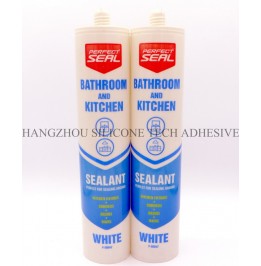
Cosmetics often contain active ingredients that can react with sealant components, especially when moisture is present. These reactions vary based on the sealant type and cosmetic formulation.
Many cosmetics include oils, alcohols, acids, or pigments that interact with sealants. For example, facial oils and serums may contain silicone-based compounds that soften silicone sealants over time. Acidic exfoliants, such as those with glycolic or salicylic acid, can etch certain sealants, causing discoloration or weakening. Hair dyes and nail polish removers often contain acetone or other solvents that dissolve or degrade sealant surfaces.
Certain spaces in homes and commercial settings are more prone to cosmetic-related sealant damage due to frequent use and exposure.
Bathrooms are primary sites for cosmetic application, making vanities and countertops high-risk zones. Sealants around sinks, faucets, or backsplashes may come into contact with makeup, skincare products, or haircare items during daily routines. For instance, applying foundation near a sealed sink edge could leave residues that interact with the sealant over time.
While less obvious, shower areas can also face risks if cosmetics are applied before bathing. Hair dyes, body scrubs, or moisturizers may drip onto sealed joints, causing staining or degradation. Additionally, steam from hot showers can accelerate chemical reactions between cosmetics and sealants.
In salons, spas, or fitness centers, sealants around sinks, mirrors, or shower stalls are frequently exposed to cosmetics, hair products, and cleaning agents. The combination of high traffic and chemical exposure increases the likelihood of sealant damage if preventive measures aren’t in place.
Minimizing reactions between sealants and cosmetics requires a combination of material selection, surface protection, and user awareness.
Opt for sealants formulated to withstand common cosmetic ingredients. Look for products labeled as “oil-resistant,” “acid-resistant,” or “chemical-resistant” to ensure compatibility. For example, a polyurethane sealant with added UV stabilizers may offer better resistance to pigmented cosmetics than standard acrylic options.
Creating a physical barrier between cosmetics and sealants reduces direct contact and reaction risks.
A thin, transparent coating applied over sealed surfaces can act as a shield against cosmetic residues. Choose a water-based, non-yellowing varnish compatible with both the sealant and surrounding materials. For example, a clear acrylic coating might protect a silicone sealant around a sink from oil-based makeup without altering its appearance.
In high-risk areas like bathroom vanities, place removable silicone or plastic mats over sealed joints. These covers can be easily cleaned or replaced if they become stained or damaged by cosmetics.
Educating household members or staff about proper cosmetic application and cleanup can significantly reduce sealant damage.
Encourage users to apply cosmetics away from sealed surfaces, such as on a dedicated makeup table or in a separate room. This practice limits accidental spills or drips onto vulnerable areas.
Instruct users to wipe up cosmetic spills immediately using a damp cloth and mild, pH-neutral cleaner. Avoid abrasive scrubbing, which can scratch the sealant or push residues deeper into the material.
Periodic checks help identify early signs of cosmetic-related damage, allowing for timely repairs or adjustments.
Incorporate sealant-friendly cleaning into regular maintenance routines. Use soft cloths or sponges and avoid harsh chemicals that could exacerbate existing damage.
Inspect sealed joints monthly for changes in color, texture, or adhesion. If cosmetics have caused minor damage, clean the area thoroughly and apply a fresh coat of protective barrier if needed.
By understanding the chemical interactions between sealants and cosmetics, identifying high-risk areas, and implementing preventive strategies, property owners can maintain sealed surfaces in pristine condition. Prioritizing material compatibility, surface protection, and user awareness ensures long-lasting durability and aesthetic appeal.
Copyright 2019 by Hangzhou Silicone Tech Adhesive Co., Ltd. All rights reserved.
Bathroom Sealant | Acrylic Sealant | Dow Corning 795 | Aquarium Sealant | Dow Corning 732 | Clear Silicone Sealant | Polysulfide Sealant | Glazing Sealant | Mirror Sealant | IG Sealant
Powered by Onepound


