E-mail:
sales@silicone-sealant-china.com

Bathroom renovations often involve sealants to prevent water damage, but the chemicals in these products can interact unpredictably with cleaning agents. Choosing the wrong cleaner post-application risks corroding surfaces, compromising sealant adhesion, or releasing harmful fumes. This guide explores how to select safe, effective cleaners while protecting newly sealed bathroom fixtures.
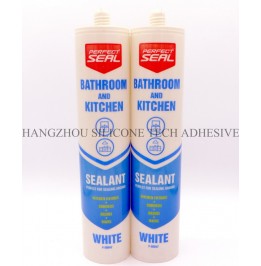
Most bathroom sealants fall into three categories: silicone-based, acrylic-based, or polyurethane-based. Each reacts differently to cleaning agents, making compatibility testing essential.
Silicone sealants form flexible, waterproof barriers but are vulnerable to solvent-based cleaners. Products containing alcohol, acetone, or hydrocarbon solvents can soften or dissolve silicone over time, leading to adhesion failure. Acidic cleaners, even mild ones like vinegar, may degrade silicone’s structural integrity when used repeatedly.
Acrylic sealants offer durability but are prone to yellowing when exposed to high-pH cleaners. Alkaline formulas, such as those containing sodium hydroxide, can accelerate this discoloration. Abrasive cleaners, including powdered scrubs or stiff brushes, may scratch the sealant surface, creating entry points for moisture and mold.
Polyurethane sealants resist most household cleaners but can be damaged by concentrated bleach or ammonia-based products. Prolonged exposure to these chemicals may cause cracking or peeling, especially if the sealant is not fully cured.
Certain chemical compounds pose universal risks to freshly sealed bathrooms, regardless of sealant type.
Cleaners containing hydrochloric acid, sulfuric acid, or citric acid are effective for removing mineral deposits but can etch enamel, porcelain, and even stainless steel. These acids also react with alkaline components in some sealants, causing bubbling or discoloration. For example, using a toilet bowl cleaner with high acid content near a freshly sealed shower base might weaken the bond between the sealant and tiles.
Sodium hydroxide and potassium hydroxide, common in drain openers and heavy-duty degreasers, can strip protective coatings from fixtures and damage sealants. Alkaline cleaners may also leave behind residues that attract dirt, leading to premature resoiling of sealed surfaces.
Cleaners with high VOC content, such as those containing formaldehyde or chlorinated solvents, release fumes that irritate respiratory systems and eyes. These chemicals can also interact with sealant ingredients, causing off-gassing or altering the sealant’s physical properties.
Protecting sealed surfaces requires a combination of gentle products and proper techniques.
Opt for cleaners labeled “pH-neutral” or “gentle” to minimize chemical reactions. These products typically rely on surfactants and enzymes to break down dirt without corroding materials. For example, a pH-neutral bathroom cleaner can effectively remove soap scum from shower doors without harming adjacent silicone sealant.
Before applying a new cleaner to visible surfaces, test it on a small, hidden section of the sealed area. Wait 24–48 hours to check for discoloration, bubbling, or adhesion loss. This step is crucial for natural stone surfaces like marble or travertine, which are highly sensitive to acidic or alkaline cleaners.
Avoid abrasive sponges, steel wool, or stiff brushes, which can scratch sealants and fixtures. Instead, use microfiber cloths or soft-bristled brushes to gently scrub surfaces. For stubborn stains, let the cleaner sit for a few minutes to loosen grime before wiping.
Open windows or run exhaust fans to disperse fumes, especially when using cleaners with strong odors. This reduces the risk of inhaling harmful chemicals and prevents moisture buildup, which can weaken sealant bonds over time.
After cleaning, rinse surfaces with clean water to eliminate any lingering cleaner residues. Residues can attract dirt or react with sealants, leading to discoloration or reduced effectiveness. Use a squeegee or dry cloth to remove excess water and speed up drying.
By understanding sealant chemistry, avoiding harmful ingredients, and adopting gentle cleaning practices, homeowners can maintain pristine bathrooms without compromising the integrity of freshly applied sealants. Always consult the sealant manufacturer’s guidelines for specific cleaning recommendations, and when in doubt, opt for the mildest effective product.
Copyright 2019 by Hangzhou Silicone Tech Adhesive Co., Ltd. All rights reserved.
Bathroom Sealant | Acrylic Sealant | Dow Corning 795 | Aquarium Sealant | Dow Corning 732 | Clear Silicone Sealant | Polysulfide Sealant | Glazing Sealant | Mirror Sealant | IG Sealant
Powered by Onepound


