Protecting Marble from Alkaline Sealant Corrosion: Essential Strategies and Best Practices
Marble, a porous and calcium-based natural stone, is vulnerable to chemical damage from alkaline substances. While alkaline sealants are valued for their strong adhesion and durability, their high pH levels can react with marble’s calcium carbonate composition, leading to etching, discoloration, or structural weakening. This guide explores the science behind alkaline corrosion, identifies high-risk scenarios, and provides actionable solutions to safeguard marble surfaces.
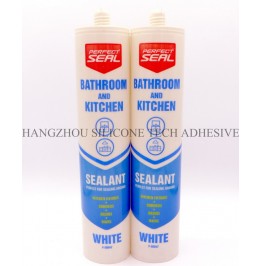
How Alkaline Sealants Damage Marble
Alkaline sealants typically contain hydroxides, carbonates, or silicates that create a high-pH environment during curing. When applied to marble, these chemicals initiate a series of reactions that degrade the stone’s surface and internal structure.
Chemical Reactions Between Alkalinity and Calcium Carbonate
Marble is primarily composed of calcium carbonate (CaCO₃), which reacts with alkaline compounds like sodium hydroxide (NaOH) or potassium hydroxide (KOH) in a process called saponification. This reaction produces water-soluble salts and carbon dioxide, dissolving the stone’s surface layer and leaving behind a rough, chalky texture.
Visual and Structural Effects
-
Etching: Alkaline substances remove polished finishes, creating dull, matte spots that disrupt marble’s natural luster.
-
Discoloration: Prolonged exposure to high pH levels can cause yellowing or browning, especially in light-colored marble varieties.
-
Weakening: Repeated exposure erodes the stone’s structural integrity, making it prone to cracking or crumbling under stress.
High-Risk Scenarios for Alkaline Sealant Damage
Alkaline sealants pose the greatest threat in environments where marble is exposed to moisture, heat, or frequent cleaning.
Residential and Commercial Applications
-
Kitchen Countertops: Spills from alkaline cleaning agents or sealant runoff during application can etch marble surfaces over time.
-
Bathroom Vanities: Humidity accelerates alkaline reactions, leading to discoloration around sinks or shower areas.
-
Flooring and Wall Cladding: Heavy foot traffic or abrasive cleaning tools exacerbate surface damage, especially if sealants contain alkaline fillers.
Outdoor and Architectural Uses
-
Facade Panels: Weather exposure combines with alkaline sealants to accelerate etching, particularly in regions with high rainfall or pollution.
-
Statues and Monuments: Alkaline pollutants in the air react with sealants, causing irreversible damage to historical marble structures.
Preventive Measures to Shield Marble from Alkaline Corrosion
To minimize the risk of alkaline-induced damage, adopt the following strategies during sealant selection, application, and maintenance.
Choose pH-Neutral or Low-Alkalinity Sealants
Opt for sealants formulated with neutral pH levels (around 7) or those explicitly labeled as “marble-safe.” These products avoid harsh alkaline chemicals, reducing the likelihood of chemical reactions.
Understanding Sealant Formulations
-
Water-Based Sealants: Often have lower alkalinity than solvent-based alternatives, making them gentler on marble.
-
Acrylic or Polyurethane Sealants: These types typically contain fewer alkaline additives and offer better compatibility with calcium-based stones.
Pre-Application Surface Preparation
Proper preparation creates a barrier between the sealant and marble, mitigating corrosion risks.
Cleaning and Degreasing
-
Use a pH-neutral stone cleaner to remove oils, dirt, and existing sealant residues. Avoid alkaline or acidic cleaners, which can prime the surface for damage.
-
Rinse thoroughly with distilled water to eliminate mineral deposits that might react with alkaline sealants.
Applying a Protective Barrier
-
Impregnating Sealers: These penetrate marble’s pores to create a hydrophobic layer, reducing alkaline absorption without altering the stone’s appearance.
-
Wax or Polymer Coatings: Temporary barriers like carnauba wax or polyurethane varnishes shield marble during sealant application but require periodic reapplication.
Application Techniques to Minimize Exposure
Even with marble-safe products, improper application can increase corrosion risks.
Controlled Bead Size and Placement
-
Apply sealant sparingly to joint areas, avoiding direct contact with marble surfaces wherever possible.
-
Use backer rods or masking tape to create uniform beads and prevent overflow onto the stone.
Ventilation and Curing Conditions
-
Ensure adequate airflow during application and curing to disperse alkaline vapors, which can settle on nearby marble surfaces.
-
Avoid applying sealants in humid or hot environments, as moisture accelerates chemical reactions.
Long-Term Maintenance to Preserve Marble Integrity
Regular upkeep helps detect early signs of alkaline damage and prevents further degradation.
Routine Cleaning Practices
-
Use pH-neutral cleaners and soft cloths to avoid abrasive damage.
-
Rinse surfaces thoroughly after cleaning to remove residual alkaline particles from tap water or cleaning agents.
Periodic Inspections and Re-Sealing
-
Check sealed joints annually for signs of etching, discoloration, or adhesion failure.
-
Reapply protective barriers or sealants as needed, prioritizing products designed for marble compatibility.
Addressing Spills and Stains Promptly
-
Wipe up alkaline substances (e.g., cement, grout, or certain cleaning products) immediately to prevent prolonged contact with marble.
-
For stubborn stains, consult a professional stone restorer to avoid worsening damage with aggressive treatments.
By understanding the risks posed by alkaline sealants and implementing proactive prevention strategies, property owners and contractors can protect marble surfaces from etching, discoloration, and structural weakening. Prioritizing pH-neutral products, meticulous surface preparation, and careful application techniques ensures that marble retains its natural beauty and durability for years to come.
Prev: Restrictions on the selection of cleaners after the application of bathroom sealant
Next: Attention to the corrosive effect of acidic sealants on metals


