Understanding the Corrosive Effects of Acidic Sealants on Metals: Key Precautions and Solutions
Acidic sealants, commonly used in construction and DIY projects for their strong adhesion and rapid curing properties, pose significant risks to metal surfaces due to their chemical composition. Unlike neutral-cure sealants, acidic variants release corrosive byproducts during curing, which can degrade metals over time. This guide explores the mechanisms of corrosion, high-risk metals, and preventive measures to ensure long-lasting seals.
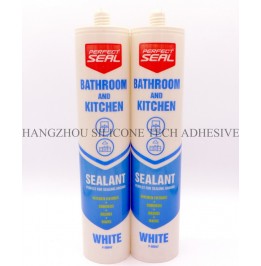
How Acidic Sealants Corrode Metals
Acidic sealants typically contain acetic acid or other organic acids as curing agents. When applied, these acids react with moisture in the air or on the substrate, releasing volatile compounds that accelerate curing. However, residual acidity can remain on the surface, initiating electrochemical reactions with metals.
The Role of Electrochemical Corrosion
Metals like aluminum, copper, and iron form oxide layers when exposed to oxygen, acting as protective barriers. Acidic sealants disrupt these layers by lowering the pH of the surface environment, exposing the metal to further oxidation. For example, aluminum reacts with acetic acid to form aluminum acetate and hydrogen gas, weakening structural integrity.
Impact on Different Metal Types
-
Aluminum: Highly susceptible to acid-induced pitting corrosion, especially in humid conditions.
-
Copper: Develops green patina (copper acetate) when exposed to acidic sealants, reducing conductivity and aesthetic appeal.
-
Steel: May experience uniform corrosion, leading to rust formation and loss of mechanical strength.
Even stainless steel, known for its corrosion resistance, can degrade if the acidic sealant contains chlorides or sulfates, which penetrate passive oxide layers.
High-Risk Applications and Scenarios
Acidic sealants are particularly hazardous in environments where metals are exposed to moisture, heat, or mechanical stress.
Construction and Renovation Projects
-
Window and Door Frames: Aluminum or steel frames sealed with acidic products may corrode at joint areas, causing leaks and structural failure.
-
Roofing and Gutters: Metal roofs or gutters sealed with acidic sealants can develop rust spots, compromising waterproofing.
-
HVAC Systems: Ductwork made of galvanized steel may corrode if acidic sealants are used for joint sealing, releasing harmful particles into indoor air.
Industrial and Automotive Uses
-
Machinery Assembly: Acidic sealants applied to metal components in engines or hydraulic systems can accelerate wear, leading to premature failure.
-
Electronics Enclosures: Sealing metal cases with acidic products may damage circuit boards or connectors due to corrosion byproducts.
Preventive Measures to Mitigate Corrosion Risks
To avoid metal degradation when using acidic sealants, adopt the following strategies:
Surface Preparation and Compatibility Testing
-
Clean Thoroughly: Remove oils, dust, and existing sealant residues using alcohol-based cleaners to ensure proper adhesion and reduce chemical interactions.
-
Test Compatibility: Apply a small amount of sealant to a discreet metal area and monitor for discoloration, bubbling, or adhesion loss over 24–48 hours.
-
Use Primers: For high-risk metals like aluminum, apply a corrosion-inhibiting primer before sealing to create a protective barrier.
Alternative Sealant Selection
-
Neutral-Cure Silicone: Opt for neutral-cure variants (e.g., oxime or alcohol-based) that release non-corrosive byproducts during curing. These are safe for most metals and offer similar adhesion strength.
-
Polyurethane Sealants: Suitable for dynamic joints, polyurethane sealants resist acids and provide flexibility without corroding metals.
-
Hybrid Sealants: Combine silicone and polyurethane properties, offering durability and metal compatibility for indoor and outdoor use.
Application Best Practices
-
Limit Contact Area: Apply sealant sparingly to minimize direct exposure to metal surfaces. Use backer rods or masking tapes to control bead size.
-
Avoid Overlapping Layers: Thick sealant layers trap acids, increasing corrosion risk. Opt for single, even layers and allow full curing before stress application.
-
Ventilate During Curing: Ensure adequate airflow to disperse acidic vapors, reducing surface pH and corrosion potential.
Long-Term Maintenance and Inspection
Even with preventive measures, regular inspections are crucial to detect early signs of corrosion:
-
Visual Checks: Look for discoloration, rust spots, or cracking around sealed joints.
-
Adhesion Tests: Gently probe sealant edges with a plastic tool; if it lifts easily, reapplication may be needed.
-
Environmental Monitoring: In coastal or industrial areas with high salt or pollutant levels, increase inspection frequency to address corrosion promptly.
By understanding the corrosive mechanisms of acidic sealants and implementing proactive strategies, professionals and DIY enthusiasts can achieve durable, metal-safe seals without compromising performance. Always prioritize compatibility testing and consider neutral-cure alternatives for high-risk applications to ensure long-term reliability.
Prev: Alkaline sealant for preventing corrosion of marble
Next: The key points for the coordination of drone propellers during cluster flight


