Understanding the 72-Hour Usage Restriction After Sealant Application
Sealants are essential for creating watertight, airtight, or structurally sound bonds in construction, automotive, and DIY projects. However, their performance hinges on proper curing, a process that demands patience. Many manufacturers and experts emphasize a 72-hour waiting period before subjecting freshly applied sealant to stress, moisture, or heavy use. This guide explores why this restriction exists, the science behind curing, and how to navigate it for optimal results.
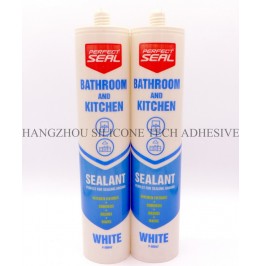
The Science of Sealant Curing: Why 72 Hours Matter
Sealants cure through chemical reactions that transform them from a liquid or paste into a durable, elastic solid. For silicone-based sealants, this process typically involves moisture-cured polymerization, where atmospheric humidity triggers cross-linking between polymer chains. Acrylic or polyurethane sealants may rely on different mechanisms, such as solvent evaporation or two-part mixing, but all require time to achieve structural integrity.
Initial Skin Formation vs. Full Cure
-
Skin Formation: Within 10–30 minutes of application, a thin, tack-free layer forms on the sealant’s surface. This protects against dust and debris but doesn’t indicate full curing.
-
Full Cure: The sealant reaches maximum strength and elasticity over 24–72 hours, depending on factors like thickness, temperature, and humidity. During this period, it continues to harden internally, ensuring adhesion and resistance to movement or pressure.
Rushing this process risks adhesion failure, cracking, or mold growth, especially in moisture-prone areas like bathrooms or kitchens.
Factors Influencing Curing Time
The 72-hour guideline isn’t universal; curing rates vary based on environmental conditions and product formulation.
Temperature and Humidity
-
Cold Environments: Below 15°C (59°F), curing slows significantly, potentially extending the 72-hour window.
-
High Humidity: While moisture accelerates curing, excessive levels (above 70%) can cause bubbling or uneven drying in water-based sealants.
-
Low Humidity: Arid conditions delay curing, requiring adjustments like covering the sealant with a damp cloth (check manufacturer guidelines first).
Sealant Thickness and Application
-
Thicker beads take longer to cure, as moisture or air struggles to penetrate the core. For example, a 6mm joint may need 48–72 hours, while a 3mm bead cures faster.
-
Avoid over-application or uneven spreading, which can create weak spots prone to premature failure.
Product Type and Formulation
-
Fast-Cure Sealants: Some formulations harden in 12–24 hours but may sacrifice flexibility or long-term durability.
-
Structural Sealants: Designed for high-stress applications, these often require 72+ hours to reach full strength.
Always consult the manufacturer’s technical data sheet for precise timelines, as additives or retarders can alter curing behavior.
Post-Application Best Practices to Respect the 72-Hour Rule
To ensure the sealant performs as intended, follow these guidelines during the curing period:
Avoid Moisture and Heavy Use
-
Bathrooms/Kitchens: Wait 24 hours before light water exposure (e.g., handwashing) and 72 hours before scrubbing or deep cleaning.
-
Exterior Projects: Shield freshly applied sealant from rain or dew for at least 48 hours.
-
Mechanical Stress: Don’t stretch, compress, or vibrate the joint until fully cured. This includes avoiding door/window operation if sealed around frames.
Protect the Sealant During Curing
-
Masking Tape: Remove tape at a 45-degree angle within 10–30 minutes (after skin formation but before full cure) to prevent smearing.
-
Dust Control: Close doors/windows or use plastic sheeting to minimize airborne particles.
-
Traffic Management: Block off sealed areas in high-traffic zones to prevent accidental damage.
Test for Cure Before Use
-
Gently press the sealant’s surface with a fingertip. If no indentation remains, it’s likely cured (though thick joints may require additional time).
-
For critical applications, use a moisture meter or consult the manufacturer’s cure-time charts.
Common Mistakes to Avoid
Even experienced DIYers can undermine sealant performance by ignoring the 72-hour rule:
-
Applying New Sealant Over Old: Always remove degraded or loose sealant first, as old material prevents proper adhesion.
-
Skipping Surface Prep: Dust, oil, or soap scum create barriers between the sealant and substrate, leading to delamination. Clean surfaces with isopropyl alcohol and dry thoroughly.
-
Using Incompatible Tools: A caulking gun with inconsistent pressure or a poorly cut nozzle can create uneven beads, compromising curing and aesthetics.
When to Seek Professional Help
If you’re unsure about curing times, environmental adjustments, or application techniques, consult a contractor or manufacturer’s representative. Complex projects (e.g., structural joints, large-scale waterproofing) often require specialized knowledge to avoid costly rework.
By respecting the 72-hour usage restriction and understanding the factors that influence curing, you’ll ensure your sealant delivers lasting performance, durability, and visual appeal. Patience truly is a virtue in the world of adhesives and sealants.
Prev: Attention to the corrosive effect of acidic sealants on metals
Next: Storage temperature control for bathroom sealant


