E-mail:
sales@silicone-sealant-china.com

Bathroom sealants, whether silicone-based or polyurethane-based, are sensitive to temperature fluctuations during storage. The chemical composition of these materials makes them prone to degradation when exposed to extreme heat or cold. For instance, high temperatures can accelerate the curing process prematurely, rendering the sealant unusable before application. Conversely, low temperatures may cause the material to thicken or crystallize, affecting its flowability and adhesion properties.
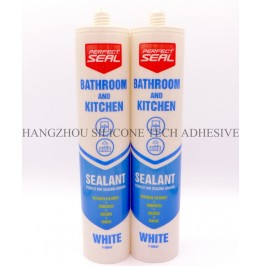
Studies indicate that most bathroom sealants perform best when stored between 5°C and 25°C. This range ensures the material remains in a stable, workable state without compromising its long-term durability. Exceeding 25°C can lead to irreversible changes in viscosity, while temperatures below 5°C may require additional pre-conditioning before use.
In regions with harsh winters, garage or shed storage becomes risky due to sub-zero temperatures. Sealants stored in unheated spaces may freeze, causing the material to separate or lose elasticity. For example, polyurethane foam sealants are particularly vulnerable to freezing, which can disrupt their expansion properties during application.
To prevent cold-related damage:
Excessive heat poses a different set of challenges. Sealants stored in attics, garages, or vehicles during summer months may experience accelerated curing or chemical breakdown. For instance, temperatures exceeding 30°C can cause the material to harden prematurely, even within sealed containers.
To maintain sealant integrity in hot climates:
For long-term preservation, aim for a consistent temperature range of 15–20°C with humidity levels below 60%. Fluctuations beyond this range can degrade the material over time, reducing its adhesive strength and flexibility.
Inspect stored sealants regularly for:
If any of these signs are present, discard the sealant and replace it with a fresh batch to ensure reliable performance.
Even when stored correctly, sealants may require acclimation before use. For example:
During application, maintain ambient temperatures between 5°C and 35°C for optimal results. Extreme cold can slow curing, while excessive heat may cause the sealant to skin over too quickly, compromising adhesion.
By adhering to these temperature control guidelines, homeowners and contractors can ensure bathroom sealants remain effective and reliable, even in challenging climates. Proper storage not only extends shelf life but also guarantees a watertight, durable finish for years to come.
Copyright 2019 by Hangzhou Silicone Tech Adhesive Co., Ltd. All rights reserved.
Bathroom Sealant | Acrylic Sealant | Dow Corning 795 | Aquarium Sealant | Dow Corning 732 | Clear Silicone Sealant | Polysulfide Sealant | Glazing Sealant | Mirror Sealant | IG Sealant
Powered by Onepound


