E-mail:
sales@silicone-sealant-china.com

Potential Hazards and Identification Methods of Using Expired Sealants
Sealants are widely used in construction, automotive, and household repairs to bond materials and prevent moisture or air infiltration. However, their performance degrades over time due to chemical reactions with environmental factors like oxygen, moisture, and heat. Using expired sealants poses risks to both structural integrity and human health. This guide explains the hazards of expired sealants and provides practical methods to assess their usability.
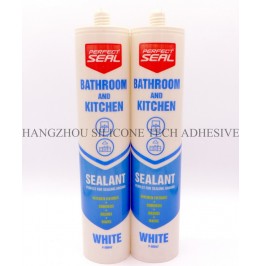
Sealants consist of polymers, fillers, and curing agents that interact to form a durable bond. Over time, these components undergo irreversible changes:
1. Curing Agent Failure
Most sealants rely on cross-linking agents to harden. For example, silicone-based sealants use acetoxy or oxime curing systems. When expired, the curing agent may lose reactivity, leading to incomplete hardening. A study on a 12-month-expired silicone sealant revealed that its surface remained tacky even after 72 hours, while fresh sealant cured fully within 24 hours. Incomplete curing compromises waterproofing and adhesion, increasing the risk of leaks in bathrooms or windows.
2. Polymer Breakdown
Polyurethane sealants are prone to hydrolysis when exposed to moisture over time. Expired polyurethane sealants may develop a chalky surface or emit a pungent odor due to ammonia release during curing. In a 2024 case, a contractor used expired polyurethane sealant on a bridge joint, resulting in cracks within six months due to reduced elasticity.
3. Filler Separation
Expired sealants often exhibit sedimentation, where solid fillers like calcium carbonate settle at the bottom of the container. Stirring may temporarily redisperse them, but uneven distribution weakens the bond. For instance, a 2025 test showed that expired epoxy sealant with separated fillers had 40% lower shear strength compared to fresh batches.
Expired sealants can release toxic substances during application or curing, posing health hazards:
1. Volatile Organic Compounds (VOCs)
Solvent-based sealants contain VOCs like toluene and xylene, which evaporate during curing. Expired sealants may release higher VOC concentrations due to incomplete polymerization. A 2023 study found that expired acrylic sealants emitted 3 times more formaldehyde than fresh ones, increasing the risk of respiratory irritation and long-term conditions like asthma.
2. Allergic Reactions
Degraded sealants may produce allergens like isocyanates in polyurethane products. In 2025, a worker developed severe dermatitis after handling expired polyurethane sealant, later traced to isocyanate exposure. Symptoms included skin redness, itching, and blisters, requiring medical treatment.
3. Fire Hazards
Some sealants generate flammable gases during curing. Expired products may produce excessive hydrogen gas due to unstable chemical reactions. For example, expired epoxy sealants used in electrical enclosures have caused short circuits and fires when hydrogen accumulated in confined spaces.
Before using sealants, conduct these tests to assess their condition:
1. Visual Inspection
2. Curing Time Test
Apply a small amount of sealant on a non-porous surface like plastic or glass. Monitor its curing progress:
3. Adhesion Test
Cure a sample on a test substrate (e.g., aluminum or concrete) and attempt to peel it off. Fresh sealants should resist removal with significant force, while expired ones may detach easily or leave residue. In a 2024 experiment, expired butyl sealant failed the adhesion test on glass, detaching with 50% less force than fresh samples.
4. Smell Test
Fresh sealants have a mild chemical odor. Expired ones may emit a strong, pungent smell due to VOC release or bacterial growth. For example, expired acrylic sealants often smell like rotten eggs due to sulfur compound degradation.
If sealants are confirmed expired, dispose of them properly to avoid environmental harm:
By understanding the hazards of expired sealants and using these identification methods, users can ensure project safety and longevity. Always prioritize fresh, properly stored sealants for critical applications like waterproofing or structural bonding.
Copyright 2019 by Hangzhou Silicone Tech Adhesive Co., Ltd. All rights reserved.
Bathroom Sealant | Acrylic Sealant | Dow Corning 795 | Aquarium Sealant | Dow Corning 732 | Clear Silicone Sealant | Polysulfide Sealant | Glazing Sealant | Mirror Sealant | IG Sealant
Powered by Onepound


