E-mail:
sales@silicone-sealant-china.com

Protective Measures Against Volatile Gases from Sealants
Sealants used in construction, automotive repairs, or DIY projects often release volatile organic compounds (VOCs) during application and curing. These gases can cause respiratory irritation, headaches, or long-term health issues if inhaled in high concentrations. Implementing safety protocols to minimize exposure is critical for protecting workers and occupants.
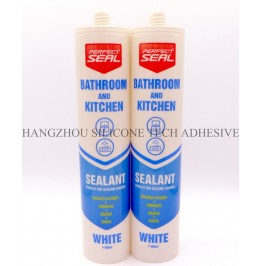
Most sealants contain solvents, plasticizers, or curing agents that evaporate into the air as they dry. The rate and volume of gas release depend on factors like temperature, humidity, and sealant composition.
Chemical Composition and Emission Patterns
Solvent-based sealants, such as those used for tile grout or window installation, emit higher levels of VOCs like acetone, toluene, or xylene during the first 24–48 hours. Water-based sealants, while lower in VOCs, may still release ammonia or other irritants during curing. Silicone-based sealants often contain alcohols or amines that contribute to odor and airborne particles.
Environmental Factors Influencing Emission Rates
High temperatures accelerate solvent evaporation, doubling VOC emissions for every 10°C increase in ambient heat. Low humidity slows curing, prolonging gas release, while poor ventilation traps vapors indoors. For example, a study on bathroom sealant applications found that VOC concentrations peaked at 300% above safe limits in unventilated spaces compared to properly aired areas.
Health Risks Associated with Prolonged Exposure
Short-term exposure to sealant gases can trigger dizziness, nausea, or eye irritation. Long-term inhalation of certain compounds, like formaldehyde (found in some adhesives), may increase the risk of asthma or cancer. Children, pregnant individuals, and those with pre-existing respiratory conditions are particularly vulnerable to these effects.
Modifying the work environment to limit vapor accumulation is a foundational safety strategy.
Local Exhaust Ventilation Systems
Install portable or fixed exhaust fans near the application area to capture and expel gases before they disperse. Position fans to draw air away from occupants, directing it outdoors through ductwork. For large-scale projects, such as sealing industrial flooring, use high-volume low-speed (HVLS) fans to create consistent airflow across the workspace.
Containment Barriers and Negative Pressure Zones
Erect temporary partitions or plastic sheeting around the work area to isolate it from adjacent rooms. Combine this with negative pressure systems, where exhaust fans remove more air than is introduced, preventing vapors from leaking into occupied spaces. This approach is critical in healthcare facilities or schools undergoing renovations.
Humidity and Temperature Regulation
Maintain indoor humidity between 40–60% to accelerate curing and reduce solvent retention. Use dehumidifiers in damp environments or humidifiers in arid climates to stabilize conditions. Keep ambient temperatures below 75°F during application to slow evaporation rates without compromising sealant performance.
When engineering controls alone cannot eliminate risks, PPE provides an additional layer of defense.
Respiratory Protection Standards
Select respirators rated for organic vapors, such as N95 masks with activated carbon filters or half-face respirators with multi-gas cartridges. Ensure the chosen device meets Occupational Safety and Health Administration (OSHA) standards for the specific VOCs present. For example, workers applying epoxy sealants may require full-face respirators due to the high toxicity of uncured resins.
Eye and Skin Protection
Wear chemical-resistant goggles to prevent vapors from irritating the eyes. Use nitrile or butyl gloves to avoid skin contact with sealants, which can cause dermatitis or allergic reactions. Long-sleeved shirts and pants further reduce exposure risks, especially during prolonged applications.
Training on PPE Usage and Limitations
Provide hands-on training to ensure workers understand how to properly fit, wear, and maintain PPE. Emphasize that respirators must be replaced regularly based on manufacturer guidelines and that gloves should be changed immediately if torn or contaminated. Conduct fit tests annually to verify respirator effectiveness.
Adopting best practices during sealant application reduces the overall volume of volatile gases emitted.
Application Techniques to Limit Exposure
Use low-pressure caulking guns or automated dispensers to minimize splattering and aerosolization. Apply sealants in thin, even layers to accelerate curing and reduce solvent retention. Avoid overfilling joints, as excess material takes longer to dry and emits more gases.
Scheduling Work During Low-Occupancy Periods
Plan sealant projects during off-hours or when buildings are unoccupied to limit exposure to occupants. For residential renovations, schedule work in bathrooms or kitchens when family members are away or in other rooms. In commercial settings, coordinate with facility managers to avoid disrupting daily operations.
Proper Storage and Handling of Sealant Materials
Store unused sealant tubes in a cool, dry place away from direct sunlight to prevent premature curing or solvent evaporation. Keep containers tightly sealed when not in use to reduce off-gassing. Dispose of empty tubes or rags soaked with sealant residue in sealed metal containers to prevent spontaneous combustion.
By integrating engineering controls, PPE, and safe work practices, organizations can significantly reduce the health risks associated with sealant volatile gases. Regular monitoring of air quality and adherence to safety protocols ensure a safer environment for workers and occupants alike.
Copyright 2019 by Hangzhou Silicone Tech Adhesive Co., Ltd. All rights reserved.
Bathroom Sealant | Acrylic Sealant | Dow Corning 795 | Aquarium Sealant | Dow Corning 732 | Clear Silicone Sealant | Polysulfide Sealant | Glazing Sealant | Mirror Sealant | IG Sealant
Powered by Onepound


