E-mail:
sales@silicone-sealant-china.com

Fire Safety Precautions During Bathroom Sealant Application
Bathroom sealants, commonly used around showers, tubs, and sinks, often contain volatile organic compounds (VOCs) that can ignite if exposed to sparks, open flames, or high heat. Ensuring fire safety during application and curing requires strict adherence to guidelines for managing flammable materials and eliminating potential ignition sources.
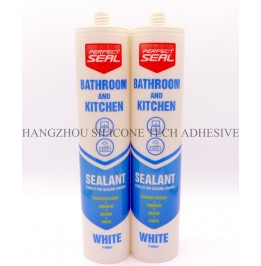
Most bathroom sealants are solvent-based or contain chemical additives that lower viscosity for easy application. These solvents, such as acetone, toluene, or xylene, evaporate during curing, releasing flammable vapors that linger in poorly ventilated spaces.
Vapor Concentration and Ignition Thresholds
Flammable vapors can accumulate in confined areas like bathrooms, where limited airflow prevents dispersion. Even small concentrations—often below 5% of the air volume—can ignite if exposed to temperatures exceeding the flash point of the solvent (typically between -4°F to 100°F for common sealant chemicals). A pilot light, electrical arc from a switch, or static discharge could trigger combustion.
Curing Process and Residual Flammability
Sealants require 24–72 hours to fully cure, depending on humidity and temperature. During this period, residual solvents continue to off-gas, maintaining flammability risks. For example, a study on solvent-based sealants found that 30% of vapors remained in the air 12 hours after application, posing a fire hazard if ventilation is inadequate.
Proactive measures to isolate fire risks are essential during sealant projects.
Open Flames and Heat Sources
Turn off gas water heaters, furnaces, or fireplaces in adjacent rooms to prevent pilot lights from igniting vapors. Avoid smoking, using matches, or lighting candles anywhere near the workspace. If the bathroom contains a gas-powered appliance, such as a floor heater, disconnect it temporarily until the sealant cures.
Electrical Hazards
Unplug non-essential electrical devices, including hairdryers, electric razors, and bathroom fans, as these can generate sparks during operation. Use battery-powered lighting instead of lamps with incandescent bulbs, which produce heat that could ignite vapors. Ensure all outlets are equipped with ground-fault circuit interrupters (GFCIs) to reduce shock risks in wet environments.
Static Electricity Prevention
In dry climates or during winter, static discharge poses a hidden threat. Avoid wearing synthetic clothing, which generates static when rubbed against surfaces. Use antistatic sprays on carpets or rugs near the bathroom, and discharge static by touching a grounded metal object before handling sealant tubes or tools.
Proper airflow accelerates solvent evaporation and disperses flammable vapors, minimizing combustion risks.
Natural Ventilation Techniques
Open windows and exterior doors to create cross-ventilation, drawing fresh air into the bathroom and pushing vapors outside. If the bathroom lacks windows, use a portable fan positioned near an open door to direct airflow outward. Avoid recirculating indoor air with ceiling fans, as this redistributes vapors without removing them.
Mechanical Ventilation Systems
Activate exhaust fans designed for moisture removal, as these are effective at expelling vapors. Ensure the fan’s ductwork leads directly outdoors rather than into an attic or crawl space, where vapors could accumulate. For high-risk projects, such as sealing large shower enclosures, consider renting industrial-grade ventilation equipment to maintain safe air quality.
Duration of Ventilation
Continue ventilating the bathroom for at least 48 hours after sealant application, even if the surface appears dry. Solvents deep within the sealant may continue to off-gas, requiring prolonged airflow to reach safe concentration levels. Use a VOC meter to monitor air quality if available, aiming for readings below 500 parts per million (ppm) before reintroducing heat sources.
Improper storage of sealant tubes or solvents can create additional fire hazards.
Flammable Liquid Storage
Store unused sealant tubes and solvent cans in a cool, dry place away from direct sunlight or heat sources. Avoid leaving them in vehicles, garages, or utility rooms where temperatures may rise above 90°F, as this accelerates solvent evaporation and increases container pressure.
Disposal of Rags and Containers
Used rags or paper towels soaked with sealant residue must be placed in airtight metal containers filled with water to prevent spontaneous combustion. Do not discard them in regular trash bins, as solvent-soaked materials can ignite if exposed to oxygen. Seal empty sealant tubes tightly before disposal to minimize residual vapor release.
Tool Maintenance
Clean caulking guns, spatulas, and other tools with solvent-free cleaners after use to avoid leaving flammable residues. Store tools in a designated area away from ignition sources, and inspect them for damage that could create sparks during future projects.
By prioritizing fire safety through ignition source control, ventilation, and careful material handling, homeowners and contractors can complete bathroom sealant projects without risking combustion or property damage.
Copyright 2019 by Hangzhou Silicone Tech Adhesive Co., Ltd. All rights reserved.
Bathroom Sealant | Acrylic Sealant | Dow Corning 795 | Aquarium Sealant | Dow Corning 732 | Clear Silicone Sealant | Polysulfide Sealant | Glazing Sealant | Mirror Sealant | IG Sealant
Powered by Onepound


