How to Check the Shelf Life of Bathroom Sealants
Bathroom sealants are essential for preventing water damage, mold growth, and air leaks around sinks, showers, and tubs. However, like all construction materials, they have a limited shelf life. Using expired sealant can lead to poor adhesion, cracking, or mold development, compromising your bathroom’s integrity. Learning how to inspect and determine if your sealant is still usable ensures effective, long-lasting results.
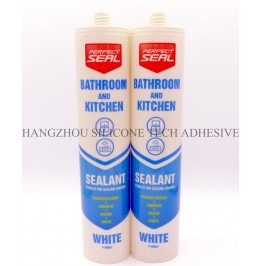
Understanding Sealant Shelf Life Basics
Sealants don’t last forever, even if unopened. Their lifespan depends on storage conditions, formulation, and packaging. Most manufacturers print expiration dates on containers, but environmental factors can shorten or extend usability.
Expiration Dates and Manufacturing Codes
Most sealant tubes or cartridges display a “best before” date or a manufacturing code. This code often includes the year and month of production, sometimes followed by a batch number. For example, a code like “240315” might indicate March 15, 2024, as the production date.
Decoding Manufacturing Codes
-
Look for alphanumeric sequences: Some brands use letters to represent months (A=January, B=February, etc.) followed by numbers for the year.
-
Check the base or cap: The expiration date might be stamped on the bottom of the tube or the plastic cap.
-
Use online tools: If the code is unclear, search the manufacturer’s website for decoding guides specific to their products.
Storage Conditions Impact Longevity
Even if the sealant isn’t expired, improper storage can render it unusable. Extreme temperatures, humidity, or exposure to sunlight accelerate chemical breakdown, reducing adhesion and flexibility.
Ideal Storage Practices
-
Temperature: Keep sealants between 40°F (4°C) and 80°F (27°C). Avoid storing them in garages or sheds where temperatures fluctuate.
-
Humidity: High moisture levels can cause premature curing or mold growth inside the tube. Store in a dry place, like a closet or cabinet.
-
Light: UV rays degrade sealant polymers. Keep containers in opaque bags or boxes if they’re not in their original packaging.
Signs Your Sealant Has Expired
Even if the date hasn’t passed, visual and tactile cues indicate whether a sealant is still viable. Performing these checks before use prevents wasted effort and subpar results.
Physical Changes in the Sealant
Expired sealants often undergo noticeable transformations. These changes affect their ability to bond and resist water.
Discoloration or Separation
-
Lumps or clumps: If the sealant feels grainy or has solidified chunks, it’s likely expired.
-
Oil separation: Some sealants release oil over time, leaving a greasy residue on the tube’s neck or inside the cap.
-
Color shifts: While minor discoloration is normal, drastic changes (e.g., bright white turning yellow or gray) signal degradation.
Texture Alterations
-
Dryness: The sealant should feel smooth and pliable. If it’s crumbly or resembles dried glue, it’s too old.
-
Stickiness: Overly tacky sealant that won’t release from your fingers may have broken down chemically.
-
Hardening: Even a small amount of hardened material in the nozzle or tube means the rest is likely compromised.
Performance Issues During Testing
Before applying sealant to your bathroom, test a small amount on a disposable surface like cardboard or plastic. Observe how it cures and behaves.
Curing Problems
-
Slow drying: Expired sealants may take days to harden instead of hours, leaving them vulnerable to water damage.
-
Incomplete curing: The sealant remains soft or gummy after the recommended drying time, indicating chemical instability.
-
Shrinkage or cracking: If the test bead develops gaps or fractures as it dries, the sealant won’t perform reliably.
Adhesion Failure
-
Peeling: Gently press the test bead after it dries. If it lifts easily from the surface, it won’t bond properly in your bathroom.
-
Weak bond: Use a fingernail to scratch the sealant. If it flakes off, it lacks the strength to withstand daily use.
Steps to Verify Sealant Usability
Combining visual checks, texture tests, and small-scale applications helps confirm whether your sealant is still effective. Follow these steps to avoid wasting time or risking water damage.
Inspect the Container
Start by examining the sealant’s packaging for damage or signs of poor storage.
Check for Leaks or Swelling
-
Damaged tubes: Cracks or holes in the container let air and moisture in, accelerating expiration.
-
Swollen cartridges: If the tube looks bloated, internal pressure from gas buildup (a sign of chemical breakdown) has occurred.
-
Corroded caps: Rust on metal caps or degraded plastic lids compromise the seal, allowing contamination.
Perform a Squeeze Test
Apply gentle pressure to the tube or cartridge to assess the sealant’s consistency.
Evaluate Flow and Consistency
-
Even flow: The sealant should挤出 (come out) smoothly without lumps or resistance.
-
No blockages: If the nozzle is clogged, the sealant may have hardened inside the tube.
-
Consistent color: The挤出 material should match the color inside the tube. Discoloration near the nozzle indicates aging.
Conduct a Curing Trial
Apply a small bead of sealant to a non-porous surface and monitor its behavior over time.
Track Drying Time
-
Follow manufacturer guidelines: Most sealants cure within 24–48 hours, but some take longer. Compare your test to the stated timeframe.
-
Check for tackiness: Lightly touch the sealant after the expected drying time. It should feel dry, not sticky.
-
Assess flexibility: Bend the test surface slightly. The sealant should stretch without cracking, showing it retains elasticity.
Verify Adhesion Strength
After the sealant cures, test its bond to the surface.
Use a Pull Test
-
Apply pressure: Press a plastic spatula or fingernail against the sealant at a 45-degree angle.
-
Observe resistance: The sealant should resist lifting. If it peels away easily, it won’t hold in a wet environment.
-
Check for residue: When removed, the sealant should leave no sticky or powdery residue on the surface.
By following these methods, you can confidently determine whether your bathroom sealant is still usable. Proper inspection ensures strong, waterproof seals that protect your bathroom from damage for years to come.
Prev: Inspection of packaging integrity before sealant application
Next: The chemical reaction between the sealant and other decoration materials


