E-mail:
sales@silicone-sealant-china.com

Sealants are essential for creating airtight, watertight, and flexible joints in construction and renovation projects. However, their interaction with surrounding materials isn’t always straightforward. Chemical reactions between sealants and adjacent surfaces—such as paints, metals, or plastics—can lead to discoloration, adhesion failure, or even structural damage. Recognizing these risks and taking preventive measures ensures durable, aesthetically pleasing results.
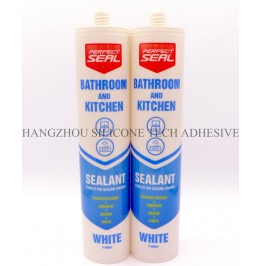
Not all building materials are compatible with every type of sealant. Certain substances contain chemicals or compounds that trigger unwanted reactions, compromising the seal’s performance or appearance.
Many paints contain solvents, pigments, or additives that interact with sealant ingredients. For example, oil-based paints may release volatile organic compounds (VOCs) that soften or dissolve silicone-based sealants over time. Similarly, latex paints can form a barrier that prevents proper adhesion, leading to peeling or cracking.
Metals like aluminum, copper, or galvanized steel often contain coatings or oxidized layers that react with sealant acids or bases. For instance, acidic sealants can corrode aluminum surfaces, while alkaline sealants may degrade copper over time. Even untreated metals can undergo galvanic corrosion when in contact with certain sealant types.
Plastics such as PVC, acrylic, or polycarbonate are sensitive to solvents and plasticizers in sealants. These chemicals can migrate into the plastic, causing clouding, cracking, or warping. Conversely, some plastics release oils or additives that interfere with sealant curing, leaving a sticky or incomplete surface.
The likelihood and severity of reactions depend on several variables, from environmental conditions to material composition. Understanding these factors helps predict compatibility issues and mitigate risks.
Temperature and humidity play critical roles in chemical interactions. High temperatures accelerate reactions, while moisture can act as a catalyst or dilute reactive agents. For example, in humid climates, alkaline sealants may react faster with acidic metal coatings, leading to rapid corrosion.
The base chemistry of the sealant—whether silicone, polyurethane, or acrylic—determines its reactivity. Silicone sealants, for instance, are generally inert but may react with certain plastics or oils. Polyurethane sealants, while durable, can emit CO2 during curing, which may corrode nearby metals.
Inadequate cleaning or priming of substrates increases the risk of reactions. Dust, grease, or old coatings act as barriers or contain reactive agents that interfere with sealant adhesion. For example, residue from cleaning agents may remain on metal surfaces, triggering corrosion when sealed.
Proactive strategies minimize the chances of sealant-material interactions causing damage. From material selection to application techniques, every step influences long-term compatibility.
Before full-scale application, test the sealant on a small, inconspicuous area of each material. Monitor for discoloration, adhesion changes, or physical damage over 24–48 hours. This simple step identifies potential issues early, avoiding costly rework.
Opt for formulations designed to minimize chemical interactions. Neutral-cure silicones, for example, are less likely to react with metals or plastics than acid-cure types. Similarly, water-based acrylic sealants often have lower solvent content, reducing the risk of damaging adjacent surfaces.
In cases where compatibility is uncertain, use physical barriers to isolate the sealant from reactive materials. For example, apply a thin layer of epoxy paint or a non-reactive tape between the sealant and metal surface to prevent direct contact.
Regular inspections catch early signs of chemical reactions, allowing timely intervention. Check for discoloration, softening, or corrosion around seals, especially in high-exposure areas like bathrooms or kitchens.
By recognizing the potential for chemical reactions and adopting preventive measures, builders and renovators can ensure sealants perform as intended without harming surrounding materials. From thorough testing to strategic material selection, every precaution contributes to durable, problem-free joints.
Copyright 2019 by Hangzhou Silicone Tech Adhesive Co., Ltd. All rights reserved.
Bathroom Sealant | Acrylic Sealant | Dow Corning 795 | Aquarium Sealant | Dow Corning 732 | Clear Silicone Sealant | Polysulfide Sealant | Glazing Sealant | Mirror Sealant | IG Sealant
Powered by Onepound


