E-mail:
sales@silicone-sealant-china.com

Sealants play a crucial role in creating durable, weather-resistant seals around joints, gaps, and surfaces. However, their performance hinges not just on proper application but also on post-installation care. One of the most critical factors often overlooked is managing temperature changes after application. Sudden shifts in heat or cold can disrupt the curing process, weaken adhesion, or cause cracking, compromising the seal’s integrity. Understanding how to protect freshly applied sealant from temperature extremes ensures long-lasting results and prevents costly repairs.
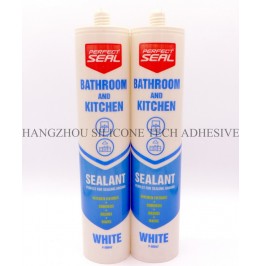
Sealants rely on chemical reactions during curing to harden and bond to surfaces. These reactions are temperature-dependent, meaning they proceed at specific rates based on ambient conditions. Extreme heat or cold can accelerate or slow curing unevenly, leading to structural weaknesses.
High temperatures speed up the curing process, which might seem beneficial at first glance. However, rapid drying can cause the sealant to shrink unevenly, creating internal stresses that lead to cracking or pulling away from surfaces. This is especially problematic in thick applications or when sealing large gaps, where heat can’t dissipate evenly.
Cold temperatures slow curing, sometimes halting it entirely if the sealant drops below its minimum operating temperature. This extended drying time increases the risk of dust, debris, or moisture settling on the surface, interfering with adhesion. In freezing conditions, uncured sealant can freeze, causing it to lose its flow properties and become unusable.
Preventing temperature-related damage requires proactive planning before, during, and after application. By controlling the environment and timing, you can create optimal conditions for curing and adhesion.
Schedule sealant work during mild weather, avoiding days with forecasted heatwaves or cold snaps. Early morning or late afternoon applications can help, as temperatures are often more stable than midday highs or overnight lows.
For interior projects, regulate indoor temperatures using heating or cooling systems to maintain a consistent range. Avoid drafts from open windows or doors, which can cause uneven cooling or heating.
High humidity can exacerbate temperature effects by slowing evaporation in warm conditions or causing condensation in cold ones. Use dehumidifiers or fans to maintain moderate humidity levels (around 40-60%) during curing.
For exterior projects, shield freshly applied sealant from the elements using tarps, plastic sheeting, or insulated blankets. These barriers help buffer temperature changes and prevent direct exposure to sunlight, rain, or wind.
Even after curing, sealants remain vulnerable to prolonged exposure to extreme temperatures. Regular inspections and preventive measures can extend their lifespan and maintain performance.
Check seals annually or after severe weather events for signs of damage, such as cracking, peeling, or discoloration. Pay special attention to areas exposed to direct sunlight, freezing temperatures, or rapid temperature swings.
If you notice damage, repair or replace the sealant immediately to prevent water infiltration, air leaks, or further deterioration. Use a utility knife to remove damaged sections, clean the area thoroughly, and apply new sealant following the same temperature guidelines as initial installation.
In regions with extreme temperature variations, opt for sealants formulated to withstand those conditions. For example, high-temperature sealants resist degradation near heat sources, while low-temperature sealants remain flexible in freezing conditions.
By understanding the impact of temperature on sealant performance and implementing proactive measures, you can ensure durable, long-lasting seals that withstand environmental challenges. From careful timing during application to ongoing maintenance, every step plays a role in protecting your investment and maintaining structural integrity.
Copyright 2019 by Hangzhou Silicone Tech Adhesive Co., Ltd. All rights reserved.
Bathroom Sealant | Acrylic Sealant | Dow Corning 795 | Aquarium Sealant | Dow Corning 732 | Clear Silicone Sealant | Polysulfide Sealant | Glazing Sealant | Mirror Sealant | IG Sealant
Powered by Onepound


