E-mail:
sales@silicone-sealant-china.com

Sealant application tools are designed with precision to handle specific materials, surfaces, and project requirements. From caulking guns to smoothing tools, each component plays a role in ensuring a clean, durable, and professional finish. However, improper use, storage, or maintenance can diminish their specialized functionality, leading to wasted material, uneven application, or even tool failure. Understanding how to preserve the integrity of these tools is essential for consistent, high-quality results.
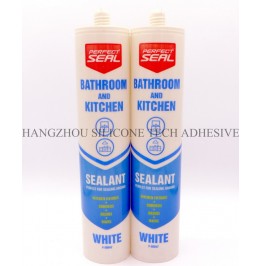
One of the most critical factors in maintaining sealant tools is thorough cleaning after each use. Residual sealant, whether silicone, acrylic, or polyurethane-based, can harden on surfaces, clogging nozzles, and corroding metal parts. This buildup not only reduces efficiency but also increases the risk of cross-contamination between projects, which can compromise adhesion or finish quality.
Waiting for sealant to dry before cleaning is a common mistake that leads to permanent damage. Fresh sealant is much easier to remove than cured residue, so acting quickly is key.
Scouring pads, steel wool, or harsh brushes can scratch plastic or metal surfaces, reducing the tool’s precision. Opt for soft-bristled brushes or microfiber cloths to protect the finish and functionality.
How you store sealant tools between uses significantly impacts their lifespan. Exposure to extreme temperatures, humidity, or direct sunlight can warp materials, degrade rubber components, or cause adhesives to weaken.
Sealant tools should be stored in a cool, dry place away from heat sources like radiators or sunlight. High temperatures can soften plastic parts, while cold environments may make them brittle and prone to cracking.
For tools with long handles or delicate tips, hanging them vertically can prevent bending or warping. Alternatively, laying them flat on a shelf ensures even weight distribution, reducing stress on joints or hinges.
Even with proper cleaning and storage, sealant tools require periodic inspection to identify wear or damage early. Addressing issues promptly prevents minor problems from escalating into costly replacements or poor application results.
Over time, components like rubber gaskets, seals, or plungers can degrade, leading to leaks or inconsistent flow. Metal parts may rust, and plastic components can crack under stress.
Metal tools with hinges or sliding mechanisms benefit from occasional lubrication to maintain smooth operation. Use a silicone-based or food-grade lubricant, applying a small amount to joints or threads.
Some tools allow for partial replacement of damaged parts, such as rubber seals or nozzles. Check with the manufacturer for replacement kits or instructions to extend the tool’s life without buying a new one.
If the cost of repairs approaches or exceeds the price of a new tool, or if the tool is no longer functioning as intended despite maintenance, it’s time to replace it.
By following these practices—cleaning thoroughly, storing correctly, and inspecting regularly—you can preserve the specialized functionality of sealant application tools. This ensures consistent, professional results while minimizing waste and downtime, making each project smoother and more efficient.
Copyright 2019 by Hangzhou Silicone Tech Adhesive Co., Ltd. All rights reserved.
Bathroom Sealant | Acrylic Sealant | Dow Corning 795 | Aquarium Sealant | Dow Corning 732 | Clear Silicone Sealant | Polysulfide Sealant | Glazing Sealant | Mirror Sealant | IG Sealant
Powered by Onepound


