E-mail:
sales@silicone-sealant-china.com

Bathroom sealants play a critical role in preventing water damage, mold growth, and structural issues by creating airtight, waterproof barriers around showers, sinks, and tubs. However, their performance is closely tied to environmental conditions, especially humidity. Fluctuations in moisture levels after application can disrupt curing, weaken adhesion, or lead to unsightly defects. Understanding these impacts helps homeowners and contractors ensure long-lasting, effective seals.
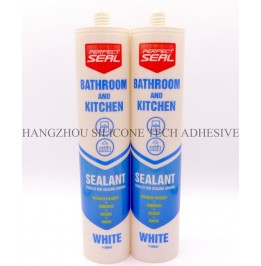
Sealants rely on specific humidity ranges to cure properly and bond securely to surfaces. Most products, whether silicone-based, acrylic, or polyurethane, undergo chemical reactions that depend on ambient moisture. Too much or too little humidity can disrupt this process, compromising the seal’s durability and appearance.
Excess moisture in the air prolongs the curing time of many sealants. When humidity levels rise above 60–70%, water vapor can interfere with the chemical cross-linking process, leaving the sealant soft or tacky for longer than intended. This delay increases the risk of physical damage, such as smudging or indentation, before the material fully hardens.
Conversely, dry environments (below 30–40% humidity) accelerate the curing process, which might seem beneficial but often leads to brittleness. The sealant dries too quickly, reducing its flexibility and ability to accommodate movement in joints. This rigidity increases the likelihood of cracking, especially in areas subject to temperature fluctuations or structural settling.
Controlling moisture levels in the bathroom is essential to avoid the pitfalls of high or low humidity. Simple adjustments to ventilation, timing, and environmental controls can create optimal conditions for curing and adhesion.
Proper airflow helps maintain balanced humidity during and after application. However, excessive ventilation in humid climates or insufficient airflow in dry areas can exacerbate problems.
Choosing the right time of day or season for sealant work can minimize humidity-related risks. For example, mornings often have lower humidity in many regions, while afternoons may see spikes due to temperature changes.
Even with ideal environmental conditions, improperly prepared surfaces can undermine sealant performance. Moisture trapped beneath the sealant or on the substrate can lead to adhesion failures or mold growth.
Even after curing, humidity continues to influence sealant performance. Bathrooms experience daily moisture cycles from showers, sinks, and humidity from breathing or cooking in adjacent rooms. Over time, these fluctuations can degrade the material if it wasn’t applied or formulated to withstand them.
Persistent high humidity creates an ideal environment for mold and mildew, which can thrive beneath or within the sealant. These fungi not only damage the material but also pose health risks and cause unpleasant odors.
In arid regions or homes with forced-air heating, repeated cycles of low humidity can dry out sealants, causing them to shrink and crack. This is especially common in older sealants that have lost their elasticity over time.
By understanding how humidity affects sealant curing, adhesion, and long-term durability, homeowners and contractors can take proactive steps to ensure reliable, long-lasting bathroom seals. From adjusting ventilation to selecting mold-resistant formulas, these strategies help mitigate moisture-related risks and protect against costly repairs.
Copyright 2019 by Hangzhou Silicone Tech Adhesive Co., Ltd. All rights reserved.
Bathroom Sealant | Acrylic Sealant | Dow Corning 795 | Aquarium Sealant | Dow Corning 732 | Clear Silicone Sealant | Polysulfide Sealant | Glazing Sealant | Mirror Sealant | IG Sealant
Powered by Onepound


