E-mail:
sales@silicone-sealant-china.com

Sealants are essential for creating waterproof, airtight joints in bathrooms, kitchens, and outdoor spaces. However, when working with multiple colors—whether for decorative trim, contrasting grout lines, or multi-material repairs—the risk of unintentional mixing or staining becomes a critical concern. Color contamination can ruin aesthetics, compromise adhesion, and lead to costly rework. This guide explores practical steps to avoid cross-color issues during storage, application, and cleanup, ensuring your sealant projects stay clean and professional.
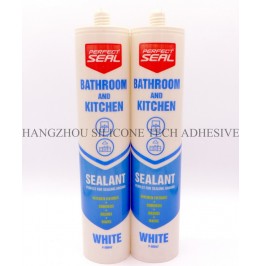
Color mixing or staining in sealants typically stems from three main factors: improper storage, cross-contamination during application, and delayed or ineffective cleanup. Each stage requires specific precautions to maintain color integrity.
Storing different-colored sealant tubes or cartridges in close proximity—especially in humid or dusty environments—can lead to accidental contact. For example, a loose cap on a white sealant tube might brush against a nearby black tube, transferring residue. Similarly, storing tubes horizontally can cause residual material to pool near the nozzle, increasing the risk of drips when switching colors.
The application process itself is a high-risk phase for color mixing. Even small amounts of residual sealant on tools, gloves, or surfaces can transfer to a new color, creating streaks or blotches. For instance, wiping a nozzle on a cloth that previously touched a different color might leave traces on the next application.
Sealants cure at varying rates, but even partially cured material can stain if left unattended. For example, a smudge of red sealant on a white surface might seem harmless initially but could become permanent if not cleaned within minutes. Similarly, using the wrong cleaning agents—such as solvent-based products on water-based sealants—can spread the stain instead of removing it.
Prevention starts long before the first bead of sealant is applied. Proper preparation of tools, workspace, and materials minimizes the risk of accidental mixing.
Separate different-colored sealant tubes by type and shade, storing them upright in labeled containers or drawers. Use color-coded caps or tags to distinguish tubes at a glance, reducing the chance of grabbing the wrong one mid-project. For example, assign red tags to red sealant tubes and blue tags to blue ones.
Never reuse nozzles, caulking guns, or smoothing tools between colors without thorough cleaning. Even if a nozzle appears clean, microscopic residue can cause discoloration. Instead, use disposable nozzles or dedicate separate guns to each color. For reusable tools, wipe them down with a solvent recommended by the sealant manufacturer (e.g., isopropyl alcohol for silicone-based products).
Before applying sealant, cover nearby surfaces with painter’s tape, plastic sheeting, or drop cloths. This creates a barrier against drips, splatters, or accidental smears. Pay special attention to edges where two colors meet, as these areas are prone to bleeding or overlap.
Even with careful preparation, active application requires vigilance to avoid contamination. Follow these steps to ensure each color stays pure from start to finish.
Focus on completing all applications of one color before moving to the next. This reduces the need to switch tools or clean up mid-project, lowering the risk of accidental mixing. For example, seal all white joints in a bathroom before switching to gray or black.
If sealant drips or smears onto an unwanted area, address it right away. Use a damp cloth (for water-based sealants) or a solvent-dampened rag (for solvent-based types) to gently lift the material. Avoid scrubbing, as this can spread the stain or damage the surface.
Resist the urge to adjust or smooth sealant with bare hands, as oils and residues on your skin can cause discoloration. Instead, use gloves or a dedicated tool, and clean it between passes. If you must touch the sealant, do so lightly and with clean gloves.
By organizing materials, preparing clean tools, and working methodically, you can prevent color contamination in sealants and achieve professional, long-lasting results. Prioritizing caution during storage, application, and cleanup ensures each color remains distinct, enhancing both the functionality and aesthetics of your project.
Copyright 2019 by Hangzhou Silicone Tech Adhesive Co., Ltd. All rights reserved.
Bathroom Sealant | Acrylic Sealant | Dow Corning 795 | Aquarium Sealant | Dow Corning 732 | Clear Silicone Sealant | Polysulfide Sealant | Glazing Sealant | Mirror Sealant | IG Sealant
Powered by Onepound


