E-mail:
sales@silicone-sealant-china.com

Bathroom and kitchen sealants create essential waterproof barriers around sinks, showers, and countertop joints. However, their vulnerability doesn’t end with application—uncured or even partially cured sealant remains soft and susceptible to damage for hours or days. Sharp objects, such as tools, jewelry, or abrasive cleaning implements, pose a significant risk during this period. Even minor scratches or punctures can compromise adhesion, invite water infiltration, and lead to costly repairs. This guide explains the science behind sealant vulnerability, common scenarios where sharp objects cause harm, and practical steps to safeguard your work.
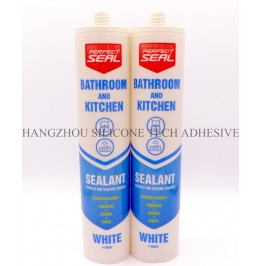
Uncured sealant behaves like a semi-liquid material, relying on chemical reactions to harden into a durable, flexible barrier. Sharp objects disrupt this process by physically altering the sealant’s structure, creating weak points that undermine its effectiveness.
A single accidental jab from a screwdriver, knife, or even a fingernail can puncture uncured sealant, leaving microscopic or visible holes. These openings allow water to seep beneath the surface, bypassing the seal entirely. For example, a scratch along a bathtub’s edge might seem minor but can grow into a leak over time as water erodes the substrate.
Many sealants cure through cross-linking, where polymer chains bond to form a stable matrix. Sharp objects can physically separate these chains before they fully link, resulting in a brittle or powdery finish. This is particularly problematic with silicone-based sealants, which depend on precise curing conditions to achieve maximum strength.
For sealant to work, it must maintain uninterrupted contact with surfaces like tile, glass, or metal. Sharp objects can lift or gouge the material, breaking the bond and creating gaps. Over time, these gaps expand due to thermal expansion or mechanical stress, leading to leaks or detachment.
Accidents happen, but recognizing high-risk situations allows you to take proactive measures. From DIY projects to professional installations, these scenarios highlight the importance of caution.
Homeowners tackling bathroom updates often use tools like putty knives, utility knives, or pliers near fresh sealant. Even careful handling can lead to slips, especially in tight spaces like shower corners or under sinks.
After sealant cures, it’s tempting to scrub aggressively to remove residue. However, using abrasive sponges, steel wool, or sharp-edged cleaning tools too soon can scratch the surface. Even “safe” tools like toothbrushes can cause damage if pressed too hard.
Sharp objects like jewelry, keys, or pet claws can inadvertently scratch sealant in high-traffic areas like kitchen countertops or bathroom floors. For example, a ring catching on freshly sealed tile grout might leave a groove that compromises waterproofing.
Failing to protect uncured sealant from sharp objects leads to more than just cosmetic flaws. Over time, these issues escalate into structural damage, health hazards, and financial burdens.
Punctures or scratches in sealant create pathways for water to escape, damaging subfloors, walls, and cabinetry. In bathrooms, moisture can seep into wooden framing, causing rot or warping. In kitchens, leaks under sinks may ruin cabinets or promote mold growth.
Trapped moisture from damaged sealant fosters mold spores, which thrive in dark, humid environments. Exposure to mold can trigger respiratory issues, allergies, or skin irritation, posing health risks to occupants.
Even minor damage shortens the effective lifespan of sealant, requiring more frequent reapplication. Over time, this increases maintenance costs and disrupts daily life, especially in high-use areas like showers or kitchen backsplashes.
By understanding the risks of sharp-object contact on uncured sealant and taking steps to avoid it, homeowners and contractors can ensure reliable, long-lasting waterproofing. Prioritizing caution during the curing phase protects against leaks, mold, and structural issues, ultimately saving time and resources on future repairs.
Copyright 2019 by Hangzhou Silicone Tech Adhesive Co., Ltd. All rights reserved.
Bathroom Sealant | Acrylic Sealant | Dow Corning 795 | Aquarium Sealant | Dow Corning 732 | Clear Silicone Sealant | Polysulfide Sealant | Glazing Sealant | Mirror Sealant | IG Sealant
Powered by Onepound


