E-mail:
sales@silicone-sealant-china.com

Before applying sealants in construction, manufacturing, or packaging projects, verifying the integrity of the packaging material is critical to prevent contamination, leaks, or structural failures. A thorough inspection process ensures the sealant performs as intended, maintaining durability and safety. Below are key steps and considerations for evaluating package integrity before sealant application.
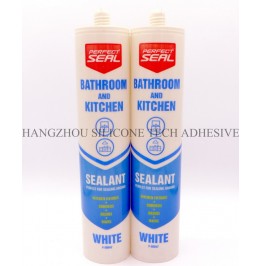
The first step involves a detailed visual assessment of the packaging material. This includes checking for physical defects such as tears, pinholes, wrinkles, or cracks that could compromise the seal. For flexible packaging, inspect seams and edges for misalignment or gaps that might allow air or moisture ingress. In rigid containers, verify that closures fit snugly without visible gaps.
Document all findings with photographs and notes, noting the location and severity of each defect. This step is crucial for industries like medical packaging, where sterility depends on flawless seals.
While visual checks catch gross flaws, microscopic leaks require specialized testing. These methods are particularly important for applications involving sterile products, food, or electronics, where even minor breaches can lead to contamination or product failure.
This method involves exposing the sealed package to a colored liquid (often blue dye) along the seal line. If dye penetrates through a channel defect, it indicates a leak. This test can detect breaches as small as 50 microns, making it ideal for porous materials like Tyvek pouches or paper-based packaging.
How to Perform:
For non-porous packaging, vacuum decay testing measures pressure changes to identify leaks. The package is placed in a chamber, and air is evacuated. If the vacuum level drops, it indicates air entering through a leak, confirming seal failure. This method is non-destructive and can detect leaks as small as 250 microns.
Applications:
The environment during sealant application and the properties of the packaging material also impact integrity. Factors like temperature, humidity, and substrate type must align with the sealant’s specifications to ensure proper adhesion.
Maintaining detailed records of inspections and tests is essential for traceability and compliance. Document the following:
Regularly review these records to identify patterns in seal failures, such as recurring defects in specific batches or equipment. This data can guide process improvements to reduce waste and enhance product safety.
By following these steps, teams can ensure packaging integrity before sealant application, minimizing risks and ensuring long-term performance. Whether in construction, manufacturing, or healthcare, attention to detail during inspection and testing is the foundation of reliable, durable seals.
Copyright 2019 by Hangzhou Silicone Tech Adhesive Co., Ltd. All rights reserved.
Bathroom Sealant | Acrylic Sealant | Dow Corning 795 | Aquarium Sealant | Dow Corning 732 | Clear Silicone Sealant | Polysulfide Sealant | Glazing Sealant | Mirror Sealant | IG Sealant
Powered by Onepound


