News & Skills

Professional Manufacturer of silicone sealant and insulating glass sealant

Harmful effects of using damaged sealant packaging

Feb 04,2026 | Views: 5

Potential Hazards of Using Damaged Sealant Packaging
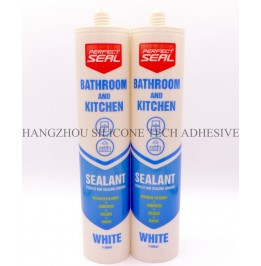
Sealants are widely used in construction, automotive, and household repairs to create airtight or watertight barriers. However, when their packaging is compromised—whether through physical damage, improper storage, or manufacturing defects—the risks extend far beyond ineffective sealing. From chemical exposure to environmental contamination, the consequences of using damaged sealant packaging demand serious attention.
1. Compromised Chemical Stability and Toxicity Risks

Sealants often contain volatile organic compounds (VOCs), solvents, or reactive agents that remain stable only under intact packaging conditions. When packaging is punctured, cracked, or degraded, these chemicals can interact with external factors like humidity, heat, or UV light, triggering premature reactions or degradation.

  • Example: Polyurethane-based sealants may release isocyanates—a known respiratory irritant—if exposed to moisture before application. Damaged packaging accelerates this process, increasing the likelihood of inhalation or skin contact during use.
  • Health Impact: Prolonged exposure to degraded sealants can cause dizziness, nausea, or dermatitis. In extreme cases, inhalation of reactive chemicals may lead to chronic respiratory conditions, particularly in poorly ventilated spaces.

2. Microbial Contamination and Infection Risks

Sealants used in medical, food-processing, or sanitary environments rely on sterile packaging to prevent contamination. A breach in packaging introduces bacteria, mold, or fungi into the product, turning a protective barrier into a vector for infection.

  • Case Study: In 2023, a hospital reported a cluster of eye infections linked to a damaged sealant tube used in surgical equipment sealing. Investigations revealed bacterial growth in the compromised packaging, which contaminated the sealant during application.
  • Cross-Contamination: Damaged packaging also raises risks in multi-use sealants. For instance, a punctured cartridge reused across projects could spread pathogens like Staphylococcus aureus or E. coli, especially in shared workspaces.

3. Environmental Pollution from Leaked Sealants

Sealants containing heavy metals (e.g., lead-based glazing compounds) or persistent chemicals (e.g., certain silicone additives) pose long-term environmental hazards if their packaging fails. Leaked materials can contaminate soil, waterways, or air, affecting ecosystems and human health.

  • Plastic Degradation: Many sealant tubes are made from non-biodegradable plastics. A damaged tube left outdoors may release microplastics, which accumulate in water sources and enter the food chain.
  • Chemical Runoff: Sealants with high VOC content can evaporate into the atmosphere, contributing to air pollution. In industrial settings, leaked sealants may also react with other chemicals, creating toxic byproducts.

4. Structural and Functional Failures

Even if health or environmental risks seem minimal, damaged packaging often correlates with compromised product performance. Air exposure, temperature fluctuations, or physical contamination can alter the sealant’s viscosity, curing time, or adhesion strength.

  • Application Issues: A partially dried sealant due to packaging failure may not bond properly, leading to leaks, cracks, or structural weaknesses. For example, a damaged window sealant could fail to prevent water ingress, causing mold growth or wood rot over time.
  • Wasted Resources: Users may apply excess sealant to compensate for poor performance, increasing costs and environmental waste. In critical applications like aerospace or automotive manufacturing, such failures could compromise safety standards.

Mitigation Strategies

To minimize risks, users and manufacturers must prioritize packaging integrity:

  • Inspection Protocols: Always check for dents, tears, or leaks before use. Discard any sealant showing signs of degradation, such as clumping or discoloration.
  • Proper Storage: Store sealants in cool, dry places away from direct sunlight or extreme temperatures. Avoid stacking heavy items on top of cartons to prevent crushing.
  • Regulatory Compliance: Adhere to industry standards for packaging materials and chemical handling. For example, the U.S. EPA’s regulations on VOC emissions in construction products provide guidelines for safe sealant use.

Conclusion
The hazards of using damaged sealant packaging extend beyond immediate inconvenience, encompassing health risks, environmental harm, and structural failures. By recognizing these dangers and adopting proactive measures, users can safeguard both human well-being and ecological balance. Whether for a DIY project or large-scale industrial application, the principle remains clear: intact packaging is non-negotiable for safe, effective sealing.


Prev: Selection Requirements for Bathroom Sealant Construction Gloves Next: Inspection of packaging integrity before sealant application

Copyright 2019 by Hangzhou Silicone Tech Adhesive Co., Ltd. All rights reserved.

Bathroom Sealant | Acrylic Sealant | Dow Corning 795 | Aquarium Sealant | Dow Corning 732 | Clear Silicone Sealant | Polysulfide Sealant | Glazing Sealant | Mirror Sealant | IG Sealant

    Powered by Onepound