Selection Requirements for Bathroom Sealant Construction Gloves
Feb 04,2026 | Views: 418
Essential Considerations for Selecting Gloves for Bathroom Sealant Application
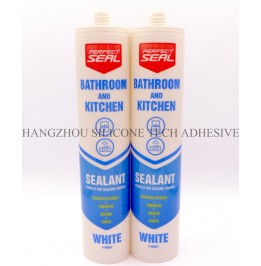
When applying bathroom sealants, choosing the right gloves is critical to ensuring safety, efficiency, and long-term durability of the work. Sealants often contain chemicals like solvents, silicone additives, or volatile organic compounds (VOCs) that can irritate the skin or cause allergic reactions. Additionally, the workspace’s humidity and temperature fluctuations demand gloves with specific protective properties. Below are the key factors to evaluate when selecting gloves for this task.
Chemical Resistance and Material Compatibility
Bathroom sealants may include acidic or alkaline components, solvents, or mold-resistant additives. Gloves must resist penetration and degradation from these substances to prevent skin exposure.
-
Nitrile Gloves: Offer excellent resistance to oils, solvents, and chemicals commonly found in sealants. They are less likely to cause allergic reactions compared to latex, making them suitable for prolonged use.
-
Neoprene Gloves: Provide broad chemical resistance, including acids and bases, and remain flexible in cold environments. This is ideal for bathrooms with fluctuating temperatures.
-
PVC Gloves: While cost-effective, PVC gloves are better suited for water-based sealants. They may degrade when exposed to certain solvents, so verify compatibility with the sealant’s chemical composition.
-
Avoid Latex Gloves: Latex can trigger allergies and lacks the chemical durability of nitrile or neoprene.
Dexterity and Fit for Precision Work
Bathroom sealant application often requires fine motor skills, such as smoothing beads with a caulking tool or navigating tight corners. Gloves that are too bulky or stiff can compromise control, leading to uneven application or wasted material.
-
Thin, Textured Gloves: Opt for gloves with a textured palm or fingers to enhance grip on tools and sealant tubes. Thinner materials (e.g., 13-gauge nitrile) improve tactile sensitivity without sacrificing protection.
-
Snug Fit: Gloves should fit closely to the hand without restricting movement. Loose gloves may slip during work, increasing the risk of chemical contact or accidental drops.
-
Ambidextrous vs. Hand-Specific Design: Ambidextrous gloves are cost-effective but may fit less precisely. Hand-specific gloves (labeled “right” or “left”) offer a more ergonomic fit for extended tasks.
Durability and Longevity
Bathroom projects often involve repetitive motions, such as reloading caulking guns or wiping excess sealant. Gloves must withstand abrasion and punctures to avoid frequent replacements.
-
Reinforced Fingertips: Look for gloves with double-layered fingertips or palm patches to resist wear from sharp edges or rough surfaces.
-
Puncture Resistance: Thicker gloves (e.g., 15-mil nitrile) provide better protection against accidental needle sticks or glass shards during renovation work.
-
Extended Cuffs: Gloves with cuffs that extend past the wrist help prevent sealant from dripping onto the skin or sleeves.
Environmental Adaptability
Bathrooms are prone to high humidity and temperature changes, which can affect glove performance.
-
Breathable Materials: Gloves with breathable backings (e.g., nitrile-coated nylon) reduce sweat buildup during prolonged use, improving comfort and grip.
-
Heat Resistance: If using heat guns to smooth sealant, choose gloves rated for high temperatures (e.g., aramid fiber liners) to prevent burns.
-
Cold Resistance: For unheated bathrooms, gloves with insulating properties (e.g., neoprene blends) maintain flexibility in low temperatures.
Maintenance and Hygiene
Sealant residues can harden on gloves, making them difficult to clean and reuse. Disposable gloves are convenient but generate waste, while reusable options require proper care.
-
Disposable Gloves: Ideal for single-use applications to avoid cross-contamination between projects. Discard if torn or contaminated.
-
Reusable Gloves: Rinse thoroughly after use to remove sealant residue. Hang to dry away from direct sunlight to prevent material breakdown.
-
Storage: Store gloves in a cool, dry place away from chemicals to maintain elasticity and chemical resistance.
By prioritizing chemical resistance, dexterity, durability, and environmental adaptability, professionals and DIYers can select gloves that enhance safety and precision during bathroom sealant projects. Always test gloves with a small amount of sealant before full application to ensure compatibility and comfort.
Prev: The necessity of wearing protective goggles during sealant application
Next: Harmful effects of using damaged sealant packaging


