E-mail:
sales@silicone-sealant-china.com

Sealants play a crucial role in various industries, from construction to automotive and aerospace, by providing a barrier against moisture, air, and other environmental factors. However, like all materials, sealants are subject to aging over time, which can compromise their performance and lead to potential failures. Understanding the criteria for judging the aging of sealants after long-term use is essential for ensuring the integrity and safety of structures and systems.
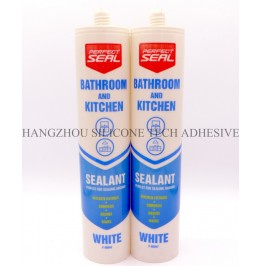
One of the most noticeable signs of sealant aging is changes in its physical appearance. These changes can provide valuable insights into the material's condition and potential performance issues.
Over time, sealants may experience color fading or yellowing, especially when exposed to ultraviolet (UV) radiation. This color change can indicate chemical degradation within the sealant matrix. Additionally, the surface of the sealant may become rough, chalky, or develop cracks and bubbles. These surface defects can compromise the sealant's ability to maintain a tight barrier, allowing moisture and other contaminants to penetrate.
Sealants may also undergo volume changes during the aging process. Some sealants may shrink due to the loss of volatile components or chemical reactions, while others may swell when exposed to certain chemicals or moisture. Linear dimension changes, such as contraction or expansion, can also occur, affecting the fit and performance of the sealant in joints and gaps. Monitoring these volume and linear dimension changes is crucial for assessing the long-term stability of the sealant.
The mechanical properties of sealants are critical for their performance in various applications. Aging can lead to a significant degradation of these properties, compromising the sealant's ability to withstand stress and maintain a tight seal.
Sealants typically exhibit a certain level of hardness and elasticity, which allow them to deform under stress and then return to their original shape. However, aging can cause the sealant to become harder and less elastic, reducing its ability to accommodate movement and vibrations. This loss of elasticity can lead to cracking and separation from the substrate, compromising the seal's integrity.
Tensile strength and elongation at break are key indicators of a sealant's mechanical strength and flexibility. Aging can cause a decrease in tensile strength, making the sealant more prone to rupture under stress. Similarly, a reduction in elongation at break indicates a loss of flexibility, limiting the sealant's ability to stretch and conform to irregular surfaces. These changes can significantly impact the sealant's performance in applications where it is subjected to repeated mechanical loading.
Sealants are often exposed to a variety of chemicals and environmental conditions during their service life. Aging can affect the sealant's resistance to these factors, leading to premature failure.
Many sealants are used in applications where they come into contact with chemicals and solvents. Aging can cause the sealant to become more susceptible to chemical attack, leading to swelling, softening, or dissolution. This loss of chemical resistance can compromise the sealant's ability to maintain a barrier against corrosive substances, potentially causing damage to the underlying substrate.
Sealants are also exposed to environmental factors such as temperature extremes, humidity, and UV radiation. Aging can affect the sealant's ability to withstand these factors, leading to degradation and performance issues. For example, high temperatures can cause the sealant to soften and lose its shape, while low temperatures can make it brittle and prone to cracking. UV radiation can cause chemical degradation, leading to color changes and a loss of mechanical properties. Assessing the sealant's resistance to these environmental factors is crucial for predicting its long-term performance.
In conclusion, judging the aging of sealants after long-term use requires a comprehensive evaluation of their physical appearance changes, mechanical property degradation, and chemical and environmental resistance. By monitoring these key indicators, engineers and maintenance personnel can identify potential issues early on and take appropriate measures to ensure the integrity and safety of structures and systems.
Copyright 2019 by Hangzhou Silicone Tech Adhesive Co., Ltd. All rights reserved.
Bathroom Sealant | Acrylic Sealant | Dow Corning 795 | Aquarium Sealant | Dow Corning 732 | Clear Silicone Sealant | Polysulfide Sealant | Glazing Sealant | Mirror Sealant | IG Sealant
Powered by Onepound


