E-mail:
sales@silicone-sealant-china.com

Bathroom sealants are designed to create waterproof barriers in wet environments, but their chemical composition can influence metal corrosion. Most sealants contain polymers, fillers, and curing agents that may release acidic or alkaline byproducts during curing or long-term exposure to moisture. These byproducts can react with metal substrates like stainless steel, aluminum, or chrome-plated fixtures, accelerating oxidation or pitting.
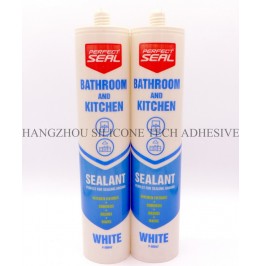
For example, silicone-based sealants, commonly used in bathrooms, often contain acetic acid as a curing agent. While acetic acid evaporates during curing, residual traces can corrode sensitive metals if not fully ventilated. Similarly, polyurethane sealants may release isocyanates, which react with moisture to form carbonic acid, posing risks to unprotected metal surfaces.
High humidity levels in bathrooms create ideal conditions for corrosion. When sealants trap moisture against metal surfaces, it disrupts the protective oxide layer, allowing water and oxygen to penetrate. This is particularly problematic in areas with poor ventilation, such as behind shower trays or around bathtub edges, where water vapor accumulates.
Harsh bathroom cleaners containing chlorine, ammonia, or acidic compounds can degrade sealants over time, releasing corrosive substances. For instance, bleach-based cleaners may react with sealant residues, producing chlorine gas or hydrochloric acid, both of which attack metal surfaces. Even mild soaps or shampoos can leave residues that, when combined with moisture, create electrolytic cells on metal, speeding up corrosion.
Frequent heating and cooling in bathrooms cause sealants to expand and contract, creating micro-cracks. These cracks allow water and contaminants to reach metal surfaces, initiating localized corrosion. Thermal cycling is especially damaging in regions with hard water, as mineral deposits exacerbate crack formation and metal degradation.
Thoroughly clean metal surfaces to remove oils, dust, and existing corrosion. Use a non-abrasive cleaner and a soft cloth to avoid scratching the metal, which could create entry points for moisture. For stainless steel, a solution of mild detergent and water is sufficient, while aluminum may require a vinegar-based cleaner to neutralize alkaline residues.
After cleaning, apply a metal-specific primer or corrosion inhibitor if the sealant manufacturer recommends it. These products create a barrier between the metal and sealant, reducing chemical interactions. Ensure the primer is compatible with both the metal and sealant to avoid adhesion issues.
Choose sealants formulated for metal compatibility, even if the label doesn’t explicitly mention corrosion prevention. Neutral-cure silicone sealants, which use alcohol instead of acetic acid during curing, are less likely to corrode metals. Polyurethane sealants with low isocyanate content or water-based acrylic sealants are also safer options for metal-rich environments.
Avoid sealants with high filler content, as fillers can absorb moisture and promote microbial growth, which indirectly accelerates corrosion. Opt for sealants with antimicrobial additives if mold resistance is a concern, but verify they won’t react negatively with the metal.
Regularly inspect sealed joints for cracks, peeling, or discoloration, which indicate sealant failure. Repair damaged areas promptly to prevent water ingress. Use a plastic scraper or silicone remover to avoid scratching metal during repairs, and reapply sealant following the same preparation steps as the initial installation.
Control bathroom humidity by using exhaust fans during and after showers and keeping windows open when possible. Wipe down metal fixtures after use to remove water spots and cleaning product residues. For hard-to-reach areas, use a squeegee to direct water away from sealed joints and metal surfaces.
If signs of corrosion appear, such as rust spots or discoloration, act immediately to prevent further damage. Remove loose rust with a fine-grit sandpaper or steel wool, then neutralize the area with a vinegar solution or commercial rust remover. Rinse thoroughly and dry the metal before reapplying sealant.
For severe corrosion, consult a professional to assess whether the metal needs replacement or specialized treatment. In some cases, applying a protective coating like epoxy paint or zinc-rich primer after rust removal can restore the metal’s resistance to future corrosion.
By understanding the interplay between sealants and metal corrosion, homeowners and contractors can implement proactive strategies to preserve bathroom fixtures and joints. Combining proper material selection, meticulous installation, and ongoing maintenance ensures long-lasting protection against moisture-related damage.
Copyright 2019 by Hangzhou Silicone Tech Adhesive Co., Ltd. All rights reserved.
Bathroom Sealant | Acrylic Sealant | Dow Corning 795 | Aquarium Sealant | Dow Corning 732 | Clear Silicone Sealant | Polysulfide Sealant | Glazing Sealant | Mirror Sealant | IG Sealant
Powered by Onepound


