E-mail:
sales@silicone-sealant-china.com

Ventilation Duration Requirements After Applying Bathroom Sealant
Proper ventilation after applying bathroom sealant is critical to ensure the curing process completes safely and to minimize exposure to potentially harmful fumes. The duration depends on factors like sealant type, room size, and environmental conditions. Below are key guidelines to follow.
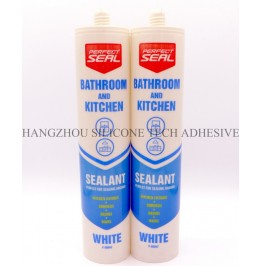
1. Type of Sealant Used
Different formulations cure at varying rates. Silicone-based sealants, for example, emit fewer fumes but may take longer to fully harden compared to solvent-based options. Water-based sealants generally dry faster and release fewer volatile organic compounds (VOCs), reducing the need for extended ventilation. Always check the manufacturer’s instructions for curing times and fume emissions.
2. Room Size and Airflow
Smaller bathrooms with limited airflow require longer ventilation periods to disperse fumes effectively. In contrast, larger spaces with open windows or exhaust fans may reach safe air quality levels sooner. If natural ventilation is insufficient, use mechanical fans to accelerate air exchange.
3. Humidity and Temperature
High humidity can slow curing, prolonging the release of fumes. Similarly, cold temperatures may delay hardening, necessitating additional ventilation time. Ideal conditions for most sealants are moderate humidity (40–60%) and temperatures between 50–77°F (10–25°C). Adjust ventilation duration based on these factors.
1. Immediate Post-Application Period
After applying sealant, leave the bathroom unoccupied and keep windows open or exhaust fans running for at least 24–48 hours. This allows initial fumes to dissipate and the sealant to begin curing without interference. Avoid using the shower or sink during this time to prevent moisture from disrupting the process.
2. Extended Ventilation for Sensitive Individuals
If household members have respiratory conditions, allergies, or chemical sensitivities, extend ventilation to 72 hours or longer. Consider using air purifiers with activated carbon filters to further reduce VOC levels. Monitor air quality with detectors if available, especially in enclosed spaces.
3. Ongoing Monitoring After Curing
Even after the recommended ventilation period, check for lingering odors or sticky surfaces, which may indicate incomplete curing. If issues persist, continue ventilating the room and avoid contact with the sealant until it fully hardens. Persistent fumes could signal a product defect or improper application.
1. Use Exhaust Fans During Application
Turn on bathroom exhaust fans before, during, and after applying sealant to create consistent airflow. If the room lacks a fan, place a portable fan near an open window to draw fumes outside. Ensure the fan’s intake is not blocked by curtains or other obstacles.
2. Avoid Confined Spaces
Never seal a bathroom entirely during or after application. Keep doors open to adjacent rooms to allow air circulation, even if windows are closed. This prevents fume buildup in other areas of the home.
3. Schedule Work During Low-Occupancy Times
Apply sealant when the bathroom is least likely to be used, such as early mornings or late evenings. This reduces the risk of accidental exposure and ensures uninterrupted ventilation.
4. Wear Protective Gear During Application
While ventilation is key, wearing a respirator mask rated for organic vapors and gloves can provide additional protection during the sealing process. Remove protective gear immediately after finishing and wash hands thoroughly.
By following these guidelines, you can ensure a safe curing process and maintain healthy indoor air quality after applying bathroom sealant. Always prioritize manufacturer recommendations and adjust practices based on local environmental conditions.
Copyright 2019 by Hangzhou Silicone Tech Adhesive Co., Ltd. All rights reserved.
Bathroom Sealant | Acrylic Sealant | Dow Corning 795 | Aquarium Sealant | Dow Corning 732 | Clear Silicone Sealant | Polysulfide Sealant | Glazing Sealant | Mirror Sealant | IG Sealant
Powered by Onepound


