E-mail:
sales@silicone-sealant-china.com

Views: 370 Mar 08 , 2026
Key Factors in the Performance Differences Among Sealant Brands When selecting sealants for construction or industrial projects, understanding the performance differences among brands is crucial. These differences can significantly impact the durability, functionality, and long-term cost-effectiveness of the sealant application. Below are the primary factors to...
Views: 279 Mar 08 , 2026
Managing Furniture Placement Pressure After Sealant Application When renovating or sealing spaces, ensuring proper pressure management after applying sealants is crucial for maintaining structural integrity and achieving long-lasting results. Whether sealing joints in kitchens, bathrooms, or living areas, understanding how furniture placement affects sealant...
Views: 263 Mar 05 , 2026
Standards for Removing Old Sealant During Bathroom Sealant Maintenance Complete Removal of Old Sealant Physical Removal Techniques The first step in preparing for new sealant application is the complete removal of old, degraded sealant. This involves using tools such as a utility knife, scraper, or putty knife to carefully cut and scrape away the old...
Views: 289 Mar 05 , 2026
Comprehensive Testing Methods for Waterproof Performance of Sealants After Application Initial Visual Inspection Surface Uniformity and Adhesion Before conducting any formal waterproof tests, a thorough visual inspection of the sealant layer is essential. Check for uniform application without any missed spots or visible flaws. The sealant should adhere...
Views: 683 Mar 05 , 2026
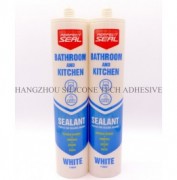
Criteria for Judging the Aging of Sealants After Long-Term Use Sealants play a crucial role in various industries, from construction to automotive and aerospace, by providing a barrier against moisture, air, and other environmental factors. However, like all materials, sealants are subject to aging over time, which can compromise their performance and lead to potential...
Views: 485 Mar 05 , 2026
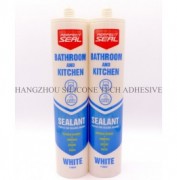
The Link Between Bathroom Sealants and Metal Corrosion: Prevention Strategies How Bathroom Sealants Interact with Metal Surfaces Bathroom sealants are designed to create waterproof barriers in wet environments, but their chemical composition can influence metal corrosion. Most sealants contain polymers, fillers, and curing agents that may release acidic or...
Views: 316 Mar 05 , 2026
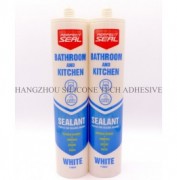
How Long Should Sealants Cure Before Exposure to Vibration: A Technical Guide Understanding the Curing Process of Sealants Sealants undergo a chemical transformation from a liquid or paste state to a solid, elastic material during curing. This process involves cross-linking of polymer chains, which determines the final mechanical properties such as flexibility,...
Views: 281 Mar 05 , 2026
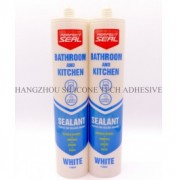
Seasonal Maintenance Differences for Sealants Sealants play a critical role in preventing leaks, reducing noise, and maintaining structural integrity across various applications, from automotive to construction. However, their performance and longevity are heavily influenced by seasonal environmental factors. Understanding how to adjust maintenance practices throughout...
Views: 603 Mar 04 , 2026
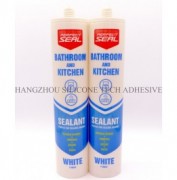
Humidity Upper Limit Control Before Sealant Curing Maintaining proper humidity levels before sealant curing is essential to ensure adhesion, durability, and performance. Excess moisture can disrupt the chemical reactions needed for hardening, leading to issues like bubbling, cracking, or reduced bonding strength. Below are key considerations for managing humidity...
Views: 537 Mar 04 , 2026
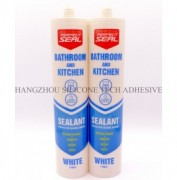
Ventilation Duration Requirements After Applying Bathroom Sealant Proper ventilation after applying bathroom sealant is critical to ensure the curing process completes safely and to minimize exposure to potentially harmful fumes. The duration depends on factors like sealant type, room size, and environmental conditions. Below are key guidelines to...
Views: 527 Mar 04 , 2026
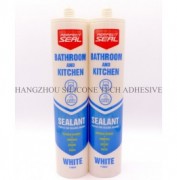
Volatile Gas Concentration Safety Standards for Sealants Sealants, widely used in construction, automotive, and household repairs, often contain volatile organic compounds (VOCs) that can pose health risks if concentrations exceed safe limits. Understanding national and regional safety standards helps ensure proper ventilation and product selection to minimize...
Views: 356 Mar 02 , 2026
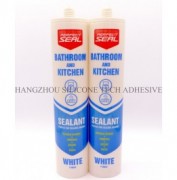
Why Open Flames and Sparks Are Strictly Prohibited in Sealant Application Areas Sealants, widely used in construction, automotive repairs, and DIY projects, often contain flammable solvents, accelerators, or volatile organic compounds (VOCs). These chemicals remain active during application and curing, creating a high-risk environment for fires or explosions if exposed...
Copyright 2019 by Hangzhou Silicone Tech Adhesive Co., Ltd. All rights reserved.
Bathroom Sealant | Acrylic Sealant | Dow Corning 795 | Aquarium Sealant | Dow Corning 732 | Clear Silicone Sealant | Polysulfide Sealant | Glazing Sealant | Mirror Sealant | IG Sealant
Powered by Onepound


