E-mail:
sales@silicone-sealant-china.com

The durability of sealants after application depends on multiple factors, from material selection to environmental conditions. Understanding these elements helps ensure long-lasting waterproofing performance in residential or commercial projects.
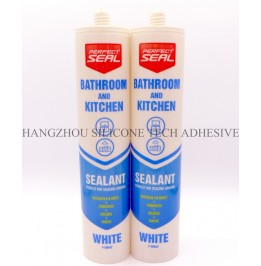
The choice of sealant material directly impacts its lifespan. Different formulations, such as silicone, polyurethane, or acrylic-based sealants, offer varying levels of durability, flexibility, and resistance to environmental stressors. For example, silicone sealants excel in UV resistance and temperature stability, making them ideal for outdoor applications, while polyurethane variants provide better abrasion resistance for high-traffic areas.
Compatibility with the substrate is equally critical. Some sealants may not adhere well to certain materials, such as metals or plastics, without proper surface preparation. Using incompatible products can lead to premature failure, even if the sealant itself is high-quality. Always verify compatibility through manufacturer guidelines or technical datasheets.
Proper application is non-negotiable for achieving optimal waterproofing. Thin or uneven layers reduce effectiveness, while excessive thickness can cause cracking under stress. Most sealants require multiple coats, with each layer applied only after the previous one has cured sufficiently. For instance, a two-coat system with a 24-hour interval between applications is common for many products.
Surface preparation also plays a pivotal role. Dust, oil, or moisture on the substrate can prevent proper adhesion, leading to leaks. Cleaning the area thoroughly and ensuring it is dry before application is essential. Additionally, using primers or adhesion promoters can enhance bonding, especially on porous surfaces like concrete or wood.
Temperature and humidity levels during application significantly affect curing times and final performance. Extreme cold slows down the chemical reactions needed for curing, while excessive heat can cause rapid drying, leading to brittleness. Ideally, sealants should be applied in temperatures between 5°C and 35°C (41°F and 95°F), with humidity below 85%.
Post-application exposure to environmental factors also matters. Prolonged UV exposure can degrade some sealants, causing discoloration or loss of elasticity. Similarly, constant contact with water or chemicals can weaken the material over time. Choosing a sealant rated for the specific environmental conditions of the project—such as marine-grade products for coastal areas—can mitigate these risks.
Even the best sealants require periodic maintenance to maximize their lifespan. Regular inspections for cracks, peeling, or discoloration can help identify issues early. Minor damage can often be repaired with a fresh coat of sealant, while significant degradation may require complete removal and reapplication.
Cleaning the sealed area regularly prevents the buildup of dirt, mold, or mildew, which can degrade the material. Avoid using harsh chemicals or abrasive tools that might scratch the surface. For outdoor applications, trimming nearby vegetation can reduce organic growth and physical damage from branches or roots.
Buildings naturally settle and shift over time due to temperature changes, ground movement, or vibrations. These movements can stress sealants, especially at joints or expansion gaps. Using flexible sealants with high elongation properties allows them to accommodate such movements without cracking.
Proper design of joints and gaps is equally important. Overly narrow gaps may restrict movement, while excessively wide ones can reduce the sealant’s effectiveness. Following industry standards for joint sizing—typically 6mm to 12mm (0.25 to 0.5 inches) for most applications—ensures optimal performance. Additionally, using backer rods in deep joints can help control sealant depth and improve adhesion.
Copyright 2019 by Hangzhou Silicone Tech Adhesive Co., Ltd. All rights reserved.
Bathroom Sealant | Acrylic Sealant | Dow Corning 795 | Aquarium Sealant | Dow Corning 732 | Clear Silicone Sealant | Polysulfide Sealant | Glazing Sealant | Mirror Sealant | IG Sealant
Powered by Onepound


