E-mail:
sales@silicone-sealant-china.com

Sealants play a critical role in preventing leaks, ensuring airtightness, and protecting structures from environmental damage. However, not all sealants are suitable for every application. Understanding the specific restrictions and ideal use cases for different types of sealants is essential for achieving optimal performance and longevity.
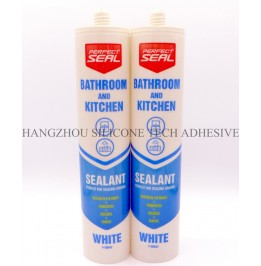
Silicone sealants are widely used due to their excellent flexibility, weather resistance, and durability. They perform well in both high and low-temperature environments, making them ideal for outdoor applications like glass curtain walls, windows, and doors. However, silicone sealants have limitations. They should not be used in areas that are constantly submerged in water, as prolonged exposure can degrade their adhesive properties. Additionally, silicone sealants are incompatible with materials that exude oils, plasticizers, or solvents, as these substances can prevent proper curing or cause the sealant to break down over time.
Another consideration is surface compatibility. Silicone sealants may not adhere well to certain metals, such as copper, brass, and zinc, as well as some plastics like polyethylene and polypropylene. Proper surface preparation, including cleaning and, in some cases, applying a primer, is crucial to ensure a strong bond.
Polyurethane sealants are known for their excellent elasticity and abrasion resistance, making them suitable for dynamic joints that experience movement, such as expansion joints in bridges, roads, and buildings. They also provide good adhesion to a wide range of substrates, including concrete, wood, and metals.
Despite their strengths, polyurethane sealants have specific restrictions. They are not recommended for use in areas with high hydrocarbon exposure, such as fuel storage tanks or areas with frequent contact with oils and solvents, as these chemicals can cause swelling or degradation. Additionally, polyurethane sealants require careful application to avoid air entrapment, which can lead to bubbles and reduced performance.
Surface moisture is another critical factor. Excessive moisture on the substrate can interfere with the curing process, resulting in poor adhesion or a weak seal. Proper surface drying and, in some cases, the use of a moisture barrier are necessary to ensure successful application.
Polysulfide sealants are highly resistant to water, fuels, and chemicals, making them ideal for specialized applications like aircraft fuel tanks, ship decks, and underground structures. Their ability to withstand prolonged immersion in water and exposure to harsh chemicals sets them apart from other sealant types.
However, polysulfide sealants have limitations in terms of flexibility and movement accommodation. They are less elastic than polyurethane or silicone sealants, making them unsuitable for dynamic joints that experience significant movement. Additionally, polysulfide sealants have a strong odor during application and curing, requiring adequate ventilation and protective equipment for workers.
Another consideration is their curing time. Polysulfide sealants typically have a longer curing period compared to other types, which can delay project timelines. Proper planning and scheduling are necessary to account for this extended curing time.
Acrylic sealants are popular for their fast curing time and ease of use, making them suitable for interior applications like sealing gaps around windows, doors, and baseboards. They are also paintable, allowing for seamless integration with surrounding surfaces.
Despite their convenience, acrylic sealants have significant limitations. They are not as durable or flexible as silicone or polyurethane sealants, making them unsuitable for outdoor or high-movement applications. Prolonged exposure to moisture or UV radiation can cause acrylic sealants to degrade, leading to cracking or loss of adhesion.
Additionally, acrylic sealants have lower chemical resistance compared to other types, limiting their use in areas with potential exposure to solvents or harsh cleaning agents. They are best suited for low-stress, interior applications where quick curing and paintability are prioritized over long-term durability.
Copyright 2019 by Hangzhou Silicone Tech Adhesive Co., Ltd. All rights reserved.
Bathroom Sealant | Acrylic Sealant | Dow Corning 795 | Aquarium Sealant | Dow Corning 732 | Clear Silicone Sealant | Polysulfide Sealant | Glazing Sealant | Mirror Sealant | IG Sealant
Powered by Onepound


