E-mail:
sales@silicone-sealant-china.com

Sealants are essential for creating durable, watertight bonds in construction and renovation projects. However, their curing process is time-sensitive, and applying heavy loads too soon can compromise their performance. Understanding the prohibited time for heavy compression or impact after sealant application is crucial for ensuring long-lasting results.
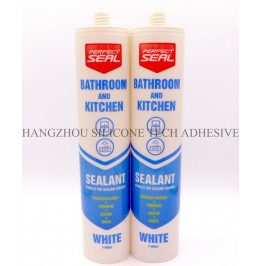
Immediately after application, sealants are in their most fragile state. During the first few hours, the material is still in a liquid or semi-liquid form, gradually transitioning into a solid state through chemical reactions or solvent evaporation. This initial curing phase varies depending on the sealant type—silicone, polyurethane, or acrylic—but generally lasts between 2 to 24 hours.
During this period, even minor pressure from foot traffic or light tools can distort the sealant’s shape, leading to uneven surfaces or weakened adhesion. Heavy loads, such as furniture, equipment, or construction materials, should be strictly avoided. If unavoidable, temporary protective measures like plywood sheets or cardboard can help distribute weight and minimize direct contact.
While sealants may appear dry to the touch within a day, achieving full curing—where the material reaches its maximum hardness and adhesion strength—takes much longer. For most sealants, this process can range from 3 to 7 days, with some high-performance formulations requiring up to 28 days for complete curing.
Applying heavy loads before full curing can result in permanent deformation, reduced elasticity, or even bond failure. For example, a sealant used in a floor joint that’s compressed too early may crack under thermal expansion or movement, leading to leaks or structural damage. Always refer to the manufacturer’s guidelines for specific curing times, as environmental factors like temperature and humidity can accelerate or delay the process.
The surrounding environment plays a significant role in determining how quickly a sealant cures and when it can safely bear weight. Cold temperatures slow down chemical reactions, extending the initial and full curing periods. In contrast, high humidity can interfere with solvent-based sealants, causing prolonged drying times or a sticky surface.
In hot, dry conditions, some sealants may cure faster than usual, but this doesn’t necessarily mean they’re ready for heavy loads sooner. Rapid curing can sometimes lead to brittleness, reducing the sealant’s ability to withstand movement or stress. Always adjust your timeline based on real-world conditions, even if the label suggests a shorter curing period.
Before placing heavy items on a newly sealed surface, perform a simple adhesion test. Gently press a fingernail or a blunt tool into the sealant—if it leaves an indentation, the material isn’t fully cured. For a more thorough check, use a hardness tester (if available) to measure the sealant’s resistance to pressure.
Another method is to monitor the sealant’s appearance. Fully cured sealants typically have a consistent color and texture, free of tackiness or soft spots. If in doubt, wait an additional day or two before applying heavy loads. Rushing this step can lead to costly repairs or replacements down the line.
The禁忌时间 for heavy碾压 isn’t just about immediate safety—it’s about ensuring the sealant performs as intended over years of use. Premature loading can create micro-cracks or weak points that may not be visible initially but can lead to failure under stress, vibration, or temperature fluctuations.
In applications like automotive seals, roofing joints, or industrial flooring, where durability is critical, adhering to curing timelines is non-negotiable. Even a small compromise in curing time can result in leaks, air infiltration, or structural instability, compromising the entire project’s integrity.
By respecting the curing process and avoiding heavy loads during the critical initial and full curing phases, you can maximize the sealant’s lifespan and performance. Always prioritize patience and proper testing over rushing to complete a project—the long-term benefits are well worth the wait.
Copyright 2019 by Hangzhou Silicone Tech Adhesive Co., Ltd. All rights reserved.
Bathroom Sealant | Acrylic Sealant | Dow Corning 795 | Aquarium Sealant | Dow Corning 732 | Clear Silicone Sealant | Polysulfide Sealant | Glazing Sealant | Mirror Sealant | IG Sealant
Powered by Onepound


