E-mail:
sales@silicone-sealant-china.com

When it comes to sealing joints in kitchens and bathrooms, durability and flexibility are non-negotiable. These spaces endure constant movement, temperature shifts, and moisture exposure, making traditional rigid sealants prone to cracking or separating. High-elasticity sealants with soft gel structures have emerged as a superior solution, offering unmatched adaptability and long-lasting performance. Their unique composition allows them to stretch, compress, and recover without losing adhesion, ensuring a watertight seal even under stress.
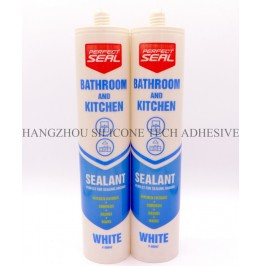
Soft gel sealants are engineered using advanced polymer chemistry, combining elasticity with tensile strength. Unlike rigid epoxy or silicone-based formulas, these sealants feature a cross-linked molecular network that behaves like a flexible rubber. This structure allows them to absorb vibrations, accommodate joint movement, and resist permanent deformation, making them ideal for dynamic environments like kitchens and bathrooms.
The soft gel’s molecular chains are designed to slide past one another under pressure, enabling the material to stretch up to 500% of its original size without breaking. This property is critical in areas like shower corners, sink backsplashes, or countertop seams, where thermal expansion and contraction occur daily. When temperatures rise, the sealant expands to fill gaps; as they cool, it contracts smoothly, maintaining a continuous barrier against water and debris.
Repeated stress cycles—such as opening and closing cabinets or shifting appliances—can weaken traditional sealants over time. Soft gel structures, however, distribute stress evenly across their network, preventing localized fatigue. This resilience ensures the sealant remains intact even after years of use, reducing the need for frequent repairs or replacements.
Kitchens are high-traffic zones where sealants must endure extreme conditions, from boiling water splashes to oven heat. Soft gel sealants excel in these scenarios due to their heat resistance and elasticity.
The area between a cooktop and countertop is prone to spills and temperature fluctuations. A soft gel sealant forms a flexible gasket that prevents moisture from seeping into cabinets or walls, even when exposed to steam or hot liquids. Similarly, around sinks, its ability to stretch and compress accommodates the slight shifting of plumbing fixtures, avoiding cracks that could lead to water damage.
Tile backsplashes often experience movement due to building settling or vibrations from appliances. Soft gel sealants fill these joints with a pliable material that moves with the tiles, preventing gaps from forming. Their waterproof nature also stops mold and mildew growth in grout lines, maintaining a hygienic kitchen environment.
Bathrooms face constant humidity and temperature changes, creating challenges for traditional sealants. Soft gel formulas thrive in these conditions, offering reliable protection against leaks and structural damage.
The joints around showers and bathtubs are notorious for failing due to water exposure and movement. Soft gel sealants create a durable, waterproof barrier that stretches with the expansion of tiles or acrylic surfaces during hot showers. As the materials cool, the sealant compresses back into place, ensuring no gaps remain for water to penetrate.
In bathrooms, the transition between floors and walls is another vulnerability point. Soft gel sealants bridge these gaps with a flexible layer that accommodates slight shifts in the building’s foundation or flooring materials. This prevents cracks that could allow water to seep into subfloors, avoiding costly repairs down the line.
The true test of a sealant’s quality lies in its ability to retain properties after years of use. Soft gel structures are formulated to resist UV degradation, oxidation, and chemical exposure, ensuring they stay flexible and effective for decades.
Exposure to sunlight can cause some sealants to harden or discolor, but soft gel formulas include UV stabilizers that protect against this damage. They also resist common household chemicals like bleach or acidic cleaners, maintaining their integrity even during deep cleaning sessions.
Despite their durability, soft gel sealants are surprisingly easy to maintain. Minor scratches or cuts can often be repaired by applying a thin layer of fresh sealant over the affected area, which bonds seamlessly with the existing material. This extends the lifespan of the seal without requiring full replacement.
Not all soft gel sealants are created equal. When selecting a product for your kitchen or bathroom, consider factors like elasticity rating, curing time, and compatibility with your surfaces. Opt for a formula designed specifically for high-moisture areas to ensure optimal performance.
Before application, clean the surface thoroughly to remove dirt, grease, or old sealant residue. A primer may be necessary for porous materials like concrete or untreated wood to enhance adhesion. Apply the sealant in a continuous bead, smoothing it with a damp finger or caulk tool for a professional finish. Allow it to cure fully before exposing it to water or stress.
By investing in a high-elasticity soft gel sealant, homeowners can enjoy peace of mind knowing their kitchen and bathroom joints are protected against leaks, movement, and wear. Its unique structure combines the best of flexibility and strength, making it a smart choice for modern, high-performance homes.
Copyright 2019 by Hangzhou Silicone Tech Adhesive Co., Ltd. All rights reserved.
Bathroom Sealant | Acrylic Sealant | Dow Corning 795 | Aquarium Sealant | Dow Corning 732 | Clear Silicone Sealant | Polysulfide Sealant | Glazing Sealant | Mirror Sealant | IG Sealant
Powered by Onepound


