E-mail:
sales@silicone-sealant-china.com

Modern bathroom design thrives on clean lines, neutral palettes, and a focus on materials that balance aesthetics with practicality. Gray sealant emerges as a versatile choice, offering a subtle yet impactful way to enhance this style while addressing the demands of high-moisture environments. Here’s how to integrate gray sealant seamlessly into a modern bathroom setup.
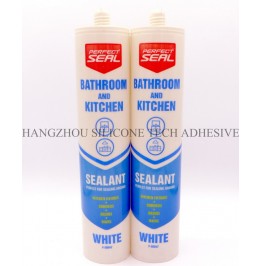
Gray’s reputation as a timeless neutral makes it an ideal candidate for modern bathrooms, where understated elegance is key. Unlike stark white or bold black, gray occupies a middle ground, adding sophistication without overwhelming the space. Its muted tone complements a wide range of tile colors, from crisp whites to deep charcoals, creating a cohesive look that feels intentional rather than accidental.
In modern design, gray also serves as a bridge between contrasting elements. For example, it can soften the transition between a glossy white vanity and matte black fixtures, preventing the space from feeling too stark. This balancing act is especially valuable in open-concept bathrooms, where visual harmony across surfaces is essential.
Light gray sealant, often described as “silver” or “dove,” works wonders in bathrooms with ample natural light. Its soft hue reflects light gently, enhancing the sense of openness without drawing attention away from other design features. This shade pairs beautifully with large-format tiles, where minimal grout lines are preferred, as it creates a nearly invisible transition that emphasizes the tile’s scale.
For a monochromatic scheme, light gray sealant can unify varying shades of gray tiles, from cool steel to warm taupe. This approach creates a calming, spa-like atmosphere while maintaining the modern edge that defines the style.
Medium gray sealant introduces a touch of contrast without the intensity of black. It’s ideal for bathrooms that incorporate mixed materials, such as white subway tiles with black hardware or wooden accents. The medium tone adds definition to grout lines, making them visible but not dominant, which is perfect for modern designs that rely on geometry and proportion rather than bold colors.
This shade also works well in bathrooms with textured tiles, like herringbone or chevron patterns. The gray sealant highlights the tile’s shape without competing with its intricate details, ensuring the pattern remains the focal point.
The success of gray sealant in a modern bathroom hinges on its interaction with other design elements. Fixtures like matte black faucets, brushed nickel showerheads, or floating vanities pair effortlessly with gray grout, creating a look that’s both cohesive and visually interesting.
Matte finishes are a hallmark of modern design, and gray sealant complements them beautifully. Its non-reflective quality echoes the matte texture of tiles or fixtures, creating a unified tactile experience. This is particularly effective in bathrooms with concrete-look tiles or porcelain that mimics natural stone, where a glossy sealant would disrupt the intended aesthetic.
Metallic elements, such as stainless steel or copper, add warmth to modern bathrooms. Gray sealant acts as a neutral backdrop, allowing these accents to shine without clashing. For example, a bathroom with a copper bathtub and gray subway tiles benefits from gray sealant, as it ties the cool tile to the warm metal without introducing competing colors.
While aesthetics are paramount, functionality cannot be overlooked in a bathroom setting. Gray sealant’s mold-resistant properties make it a practical choice for areas exposed to moisture, such as showers, bathtubs, and sinks. Its composition typically includes additives that inhibit mildew growth, ensuring the grout remains clean and hygienic over time.
Modern bathrooms often feature large tiles or minimal grout lines, which require a sealant that can flex without cracking. Gray sealants formulated for high movement accommodation are ideal, as they withstand the slight shifting of tiles due to temperature changes or settling without compromising the seal.
To ensure the gray sealant maintains its intended appearance, proper application is key. Uneven or excess sealant can detract from the modern aesthetic, so precision during installation is crucial. Additionally, choosing a sealant with non-yellowing properties prevents discoloration over time, preserving the gray’s crispness in both natural and artificial light.
The perception of gray sealant can vary significantly based on lighting conditions. Natural light tends to bring out cooler undertones, making the gray appear more silver or blue-gray. In contrast, warm artificial lighting can cast a beige or taupe tint, altering the sealant’s overall look.
Before committing to a shade of gray, test samples in the actual bathroom environment. Observe how the sealant appears at different times of day and under various lighting scenarios. This step ensures the final result aligns with the desired modern aesthetic, whether the goal is a cool, industrial feel or a warm, inviting atmosphere.
By thoughtfully integrating gray sealant into a modern bathroom design, homeowners can achieve a space that’s both stylish and practical. Its versatility, durability, and ability to complement a wide range of materials make it a smart choice for those seeking a timeless yet contemporary look.
Copyright 2019 by Hangzhou Silicone Tech Adhesive Co., Ltd. All rights reserved.
Bathroom Sealant | Acrylic Sealant | Dow Corning 795 | Aquarium Sealant | Dow Corning 732 | Clear Silicone Sealant | Polysulfide Sealant | Glazing Sealant | Mirror Sealant | IG Sealant
Powered by Onepound


