E-mail:
sales@silicone-sealant-china.com

Bathrooms demand both functionality and visual appeal, and the choice of sealant plays a pivotal role in achieving this balance. Translucent mold-resistant sealants offer a unique solution, blending seamlessly into spaces while addressing practical concerns like moisture and mildew. Here’s how these products elevate bathroom design without compromising on performance.
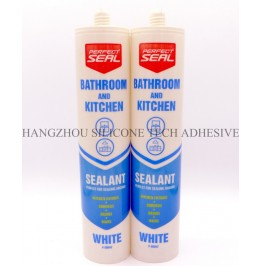
Translucent sealants excel in minimalist bathrooms where clean lines and uncluttered surfaces are prioritized. Unlike opaque options, they create a barely-there finish that doesn’t disrupt the visual flow of tiles or fixtures. This subtlety is particularly effective in small bathrooms, where heavy grout lines can make the space feel cramped.
For example, when applied between large-format white tiles, a translucent sealant allows the tile’s edges to remain the focal point. The lack of color contrast ensures the eye moves smoothly across the surface, enhancing the sense of openness. This approach also works well with monochromatic color schemes, where any visible grout would disrupt the intended uniformity.
The semi-transparent nature of these sealants interacts dynamically with light, adding depth to bathroom surfaces. In naturally lit spaces, sunlight filters through the sealant, casting subtle shadows that highlight tile textures—whether it’s the ridges of subway tiles or the glossy finish of ceramic. This effect creates a layered, dimensional look without the need for bold colors or patterns.
Artificial lighting further amplifies this interplay. Under warm LED lights, translucent sealants can take on a soft, almost glowing quality, while cooler lighting emphasizes their clarity. This versatility makes them suitable for bathrooms with varying design themes, from cozy spa-like retreats to sleek, contemporary spaces.
Translucent sealants are particularly effective when paired with natural materials like stone, marble, or wood-look tiles. These materials often feature inherent variations in color and texture, which opaque grout can overpower. A translucent option, however, acts as a neutral bridge, allowing the material’s unique characteristics to shine.
For instance, in a bathroom with travertine tiles, a translucent sealant preserves the stone’s earthy tones and veining patterns. Similarly, with wood-grain ceramic tiles, it maintains the illusion of real wood planks without drawing attention to artificial grout lines. This harmony between material and sealant creates a cohesive, organic aesthetic.
While aesthetics are a primary draw, translucent mold-resistant sealants also address practical concerns. Their composition includes antimicrobial agents that inhibit mold and mildew growth, a critical feature in humid bathroom environments. This functionality ensures the sealant remains clean and hygienic over time, reducing the need for frequent maintenance.
Additionally, their flexibility allows them to accommodate slight tile movements caused by temperature fluctuations or settling, preventing cracks or gaps. This durability is especially important in high-traffic bathrooms or areas exposed to frequent water exposure, such as showers or around sinks.
One concern with translucent sealants is potential discoloration from dirt, soap scum, or hard water stains. However, modern formulations are designed to resist staining and yellowing, preserving their clarity for years. Regular cleaning with mild, non-abrasive products is usually sufficient to keep them looking fresh.
For added protection, some sealants feature hydrophobic properties that repel water and oils, making them easier to wipe clean. This low-maintenance aspect appeals to homeowners seeking both beauty and practicality in their bathroom finishes.
Translucent sealants come in varying degrees of opacity, from nearly invisible to slightly frosted. The choice depends on the desired effect and the bathroom’s lighting conditions. In brightly lit spaces, a more transparent option will maintain an airy feel, while in dimmer areas, a slightly frosted finish can add warmth without overwhelming the design.
Testing samples in situ is crucial, as lighting and tile color can alter how the sealant appears. Observing it at different times of day ensures the final result aligns with expectations, whether the goal is a seamless blend or a subtle accent.
By combining visual subtlety with practical durability, translucent mold-resistant sealants offer a smart solution for modern bathrooms. They enhance the beauty of tiles and fixtures while providing long-lasting protection against moisture and mildew, proving that functionality and aesthetics can coexist harmoniously.
Copyright 2019 by Hangzhou Silicone Tech Adhesive Co., Ltd. All rights reserved.
Bathroom Sealant | Acrylic Sealant | Dow Corning 795 | Aquarium Sealant | Dow Corning 732 | Clear Silicone Sealant | Polysulfide Sealant | Glazing Sealant | Mirror Sealant | IG Sealant
Powered by Onepound


