News & Skills

Professional Manufacturer of silicone sealant and insulating glass sealant

Characteristics of Acidic Bathroom Sealant Bonding and Curing

Apr 16,2026 | Views: 51

Acidic Bathroom Sealants: Curing Characteristics and Bonding Performance

Acidic bathroom sealants are widely used in wet environments due to their rapid curing and strong adhesion. Understanding their unique properties helps ensure proper application and long-lasting results in bathrooms, where moisture and temperature fluctuations are common.
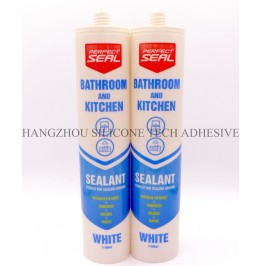
Rapid Curing Mechanism
Acidic sealants cure through a chemical reaction with moisture in the air, releasing acetic acid (vinegar-like odor) during the process. This reaction allows them to form a durable, rubber-like seal within 24 hours under normal conditions.

  • Fast Initial Set: They achieve surface tackiness in minutes, enabling quick handling of fixtures like shower trays or sinks.
  • Temperature Sensitivity: Curing speed increases in warm, humid environments but slows in cold or dry conditions.
  • Ventilation Requirement: Adequate airflow is critical to disperse the acetic acid fumes, which can corrode sensitive materials if trapped.

Strong Adhesion to Non-Porous Surfaces
These sealants excel at bonding to smooth, dense materials commonly found in bathrooms.

  • Glass and Ceramics: Ideal for sealing shower doors, mirrors, or tiled surfaces due to their non-porous nature.
  • Metals: Effective on stainless steel, aluminum, or chrome fixtures, provided surfaces are clean and free of oxidation.
  • Limitations: Avoid using on natural stone (e.g., marble, granite) or concrete, as the acid can cause etching or discoloration.

Water Resistance and Durability
Once cured, acidic sealants form a waterproof barrier that withstands prolonged exposure to moisture.

  • Mold and Mildew Resistance: The dense, non-porous cured sealant inhibits microbial growth, making it suitable for shower corners or bathtub edges.
  • Flexibility: While less elastic than neutral sealants, they maintain adhesion through minor structural movements caused by temperature changes.
  • Chemical Stability: Resistant to detergents and mild bathroom cleaners, though harsh chemicals like bleach should be avoided.

Application Considerations for Optimal Performance
To maximize the benefits of acidic sealants, proper preparation and technique are essential.

  • Surface Preparation: Clean surfaces thoroughly with alcohol to remove oils, soap residue, or old sealant. Roughening smooth surfaces with sandpaper can improve adhesion.
  • Tooling the Bead: Smooth the sealant with a wet finger or tool within 5–10 minutes of application to create a concave shape that sheds water.
  • Curing Environment: Maintain temperatures between 40–100°F (4–38°C) and avoid direct sunlight during curing to prevent cracking or bubbling.

When to Avoid Acidic Sealants
Despite their strengths, acidic sealants are unsuitable for certain bathroom applications.

  • Sensitive Materials: Never use on marble, limestone, or painted surfaces, as the acid can cause irreversible damage.
  • Confined Spaces: Poor ventilation in small bathrooms can lead to prolonged odor and potential corrosion of metal fixtures.
  • High-Movement Joints: Areas like expansion gaps between walls and floors require more flexible neutral sealants to prevent cracking.

By aligning their curing characteristics and bonding capabilities with the specific demands of bathroom environments, acidic sealants offer a reliable solution for durable, waterproof seals. Proper selection and application ensure they perform effectively without compromising material integrity or indoor air quality.


Prev: The weather resistance performance of polyurethane bathroom sealant Next: Neutral silicone bathroom sealant application scenarios

Copyright 2019 by Hangzhou Silicone Tech Adhesive Co., Ltd. All rights reserved.

Bathroom Sealant | Acrylic Sealant | Dow Corning 795 | Aquarium Sealant | Dow Corning 732 | Clear Silicone Sealant | Polysulfide Sealant | Glazing Sealant | Mirror Sealant | IG Sealant

    Powered by Onepound