E-mail:
sales@silicone-sealant-china.com

Material Composition of Kitchen and Bathroom-Specific Mold-Resistant Sealants
Kitchen and bathroom environments demand sealants that resist moisture, mold, and chemical exposure while maintaining structural integrity. The material composition of these specialized sealants directly influences their performance in high-humidity zones. Below, we explore the core components and their roles in achieving long-lasting mold resistance.
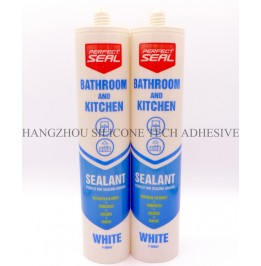
Silicone polymers, particularly polydimethylsiloxane (PDMS), form the backbone of most mold-resistant sealants. Their hydrophobic nature creates a barrier against water penetration, preventing mold growth by starving fungi of moisture. Silicone sealants often incorporate:
These components work synergistically to create a sealant that remains stable in temperatures ranging from -50°C to 200°C, making it ideal for kitchen backsplashes and bathroom shower enclosures.
Modified silane (MS) polymers, a hybrid of silicone and polyurethane, offer superior mold resistance without the environmental drawbacks of traditional solvents. Key ingredients include:
MS sealants are particularly suited for areas exposed to frequent cleaning agents, as their neutral pH resists corrosion from alkaline or acidic substances. Additionally, their low volatile organic compound (VOC) emissions make them safer for indoor use compared to solvent-based alternatives.
Beyond base polymers, mold-resistant sealants incorporate specialized additives to address specific challenges:
For example, a sealant applied to a bathroom tile grout may contain a combination of zinc oxide (a natural fungicide) and hydrophobic silica particles to repel water and soap scum simultaneously.
The material composition of mold-resistant sealants varies based on their intended use:
In all cases, the absence of solvents or isocyanates ensures the sealant remains non-toxic, even in poorly ventilated spaces like enclosed bathrooms.
Conclusion
The material composition of kitchen and bathroom mold-resistant sealants reflects a careful balance of waterproofing polymers, antimicrobial agents, and performance-enhancing additives. By understanding these components, homeowners and contractors can select formulations tailored to specific environmental demands—whether it’s resisting steam in a shower enclosure or withstanding acidic spills in a kitchen. This scientific approach ensures long-lasting protection against mold, ensuring both hygiene and durability in high-moisture zones.
Copyright 2019 by Hangzhou Silicone Tech Adhesive Co., Ltd. All rights reserved.
Bathroom Sealant | Acrylic Sealant | Dow Corning 795 | Aquarium Sealant | Dow Corning 732 | Clear Silicone Sealant | Polysulfide Sealant | Glazing Sealant | Mirror Sealant | IG Sealant
Powered by Onepound


