E-mail:
sales@silicone-sealant-china.com

Environmental Advantages of MS-Modified Silane Sealants for Bathroom Applications
Bathroom environments demand sealing solutions that resist moisture, mold, and chemical exposure while prioritizing human and ecological health. MS-modified silane sealants, a hybrid polymer technology, have emerged as a sustainable alternative to traditional silicone and polyurethane-based products. Their unique molecular structure—combining silane end groups with polyether backbones—enables superior performance without compromising environmental safety.
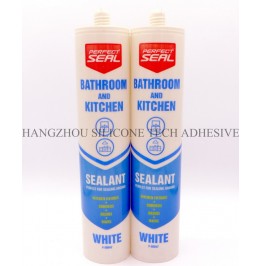
Zero Volatile Organic Compounds (VOCs) and Toxic Emissions
Conventional sealants often contain solvents, isocyanates, or plasticizers that release harmful VOCs during and after application. These compounds contribute to indoor air pollution, triggering respiratory issues and long-term health risks. MS-modified silane sealants, however, cure through a moisture-triggered condensation reaction, eliminating the need for solvents. Studies indicate their total VOC (TVOC) emissions are up to 80% lower than regulatory limits, making them ideal for enclosed spaces like bathrooms. Unlike polyurethane sealants, which may emit carbon dioxide during curing, MS variants produce non-toxic alcohol byproducts, further reducing environmental impact.
Mold Resistance Through Molecular Design
Bathrooms are breeding grounds for mold due to persistent humidity. Traditional silicone sealants, with their porous structure, absorb moisture and organic contaminants, fostering microbial growth. MS-modified silane sealants address this through a non-porous, cross-linked polymer network. Their molecular architecture inherently repels water and prevents microbial adhesion, achieving a “0-level” mold resistance rating—the highest classification under international standards. This property is particularly critical for shower corners, bathtub edges, and sink seals, where conventional products often fail within months.
Non-Polluting and Low-Maintenance Formulation
Silicone sealants are notorious for leaching silicone oil, which attracts dust and stains porous surfaces like stone or concrete. This phenomenon, known as “silicone bleeding,” compromises both aesthetics and structural integrity. MS-modified silane sealants avoid this issue entirely. Their fully polymerized structure ensures no small-molecule migration, eliminating surface contamination risks. Additionally, these sealants require no chemical primers or adhesives, reducing waste and simplifying cleanup. Their neutral pH also prevents corrosion of metal fixtures, extending the lifespan of bathroom hardware.
Energy Efficiency and Resource Conservation
The production process of MS-modified silane sealants aligns with circular economy principles. Unlike solvent-based adhesives, which demand high-energy distillation, MS variants use cold-mixing technologies, cutting energy consumption by up to 40%. Furthermore, their durability reduces the need for frequent reapplications, minimizing material waste over time. When disposed of, cured MS sealants can be mechanically recycled without releasing hazardous substances, offering a closed-loop solution absent in conventional products.
Adaptability to Sustainable Construction Practices
Modern bathrooms increasingly incorporate eco-friendly materials like recycled tiles, bamboo cabinetry, and low-VOC paints. MS-modified silane sealants complement these efforts by bonding diverse substrates—including glass, metal, and engineered wood—without compromising adhesion strength. Their elasticity accommodates thermal expansion in green building designs, preventing cracks that could lead to water damage and mold proliferation. This versatility supports certifications like LEED and WELL, which prioritize indoor environmental quality.
Conclusion
MS-modified silane sealants redefine bathroom sealing by merging performance with planetary stewardship. Their solvent-free composition, mold-resistant design, and resource-efficient production make them a cornerstone of sustainable construction. As regulations tighten on indoor air quality and chemical exposure, these sealants offer a forward-compatible solution for health-conscious homeowners and builders alike. By choosing MS technology, the bathroom transforms from a potential hazard zone into a model of ecological harmony.1
Copyright 2019 by Hangzhou Silicone Tech Adhesive Co., Ltd. All rights reserved.
Bathroom Sealant | Acrylic Sealant | Dow Corning 795 | Aquarium Sealant | Dow Corning 732 | Clear Silicone Sealant | Polysulfide Sealant | Glazing Sealant | Mirror Sealant | IG Sealant
Powered by Onepound


