E-mail:
sales@silicone-sealant-china.com

A well-applied bathroom sealant is essential for preventing water damage, mold growth, and unsightly gaps in your bathroom. Whether you’re sealing around a bathtub, sink, or shower enclosure, proper technique ensures a durable, waterproof barrier that stands up to daily use. This guide walks you through the step-by-step process of applying bathroom sealant correctly, from preparation to finishing touches.
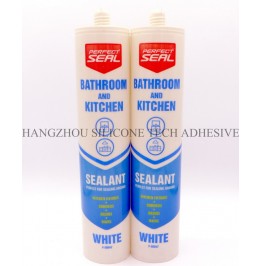
Before reaching for the sealant tube, thorough surface preparation is key to achieving a professional result. Start by removing any old sealant using a utility knife or sealant remover tool. Scrape away all traces of the previous material, including residue left in the joint, as this can prevent the new sealant from adhering properly. Use a vacuum or damp cloth to clean the area, ensuring no dust or debris remains.
Next, clean the surface with a mild detergent and water to remove soap scum, oils, or other contaminants. For particularly dirty areas, a solution of equal parts vinegar and water can help dissolve stubborn grime. Rinse thoroughly and allow the surface to dry completely—moisture trapped beneath the sealant can lead to bubbling or peeling over time. Use a hairdryer on a low setting if needed to speed up drying in humid environments.
Finally, inspect the joint for any cracks or uneven spots. Fill small gaps with a suitable filler and sand smooth once dry. For porous materials like natural stone or unsealed grout, apply a primer designed to enhance sealant adhesion. This step creates a strong bond between the substrate and the sealant, ensuring long-lasting performance.
Choosing the correct tools and applying the sealant with precision are critical for achieving a clean, even finish. Start by selecting a high-quality caulking gun that provides smooth, controlled dispensing of the sealant. Cut the nozzle of the sealant tube at a 45-degree angle, adjusting the opening size to match the width of the joint you’re filling. A smaller opening offers greater control for narrow gaps, while a wider one may be needed for larger spaces.
Hold the caulking gun at a consistent 45-degree angle to the surface and apply steady pressure on the trigger. Move the gun slowly along the joint, filling the gap completely without leaving voids or air pockets. For deeper joints, apply the sealant in layers, allowing each layer to partially cure before adding the next. This prevents slumping and ensures uniform coverage throughout the depth of the gap.
As you apply the sealant, keep the nozzle in contact with the surface to maintain a consistent bead size. Avoid stopping and starting mid-joint, as this can create uneven sections that are difficult to smooth later. If you need to pause, release pressure on the trigger and pull the gun away from the surface to prevent excess material from oozing out.
Once the sealant is applied, shaping and smoothing it correctly is essential for both aesthetics and functionality. Use a caulk smoothing tool or a damp finger dipped in soapy water to shape the bead. Press lightly to ensure full contact with both sides of the joint while removing excess material. Aim for a slightly rounded or convex shape that sheds water rather than trapping it, as this helps prevent mold growth and discoloration over time.
Work in small sections, wiping your tool or finger clean frequently to avoid dragging sealant across the surface. For longer joints, use a piece of masking tape along each edge of the joint before applying the sealant. This creates clean, straight lines and makes cleanup easier once the sealant is smoothed. Remove the tape immediately after shaping the bead, before the sealant begins to skin over.
If you notice any imperfections or air bubbles in the sealant, use a toothpick or small tool to gently press them out while the material is still pliable. For larger gaps or uneven areas, apply a small amount of fresh sealant and re-smooth it. Taking the time to perfect the finish now will save you from having to redo the job later due to poor adhesion or unsightly blemishes.
After applying and shaping the sealant, allowing it to cure properly is crucial for ensuring its long-term performance. Curing times vary depending on the type of sealant, temperature, and humidity levels, but most products require at least 24 hours to fully set. Avoid exposing the sealed area to water or moisture during this period, as premature contact can weaken the bond and lead to failure.
Keep the bathroom well-ventilated during curing by opening windows or using a fan to circulate air. This helps speed up the drying process and prevents the buildup of fumes from the sealant. If possible, avoid using the bathroom entirely until the sealant is completely cured to avoid disturbing the joint.
Once cured, inspect the sealant for any shrinkage or gaps that may have formed as it dried. Touch up these areas immediately with a small amount of fresh material, blending it seamlessly into the existing seal. Regular maintenance, such as cleaning the sealed area with mild soap and water, helps prolong its lifespan and prevents mold or mildew buildup. By following these steps, you ensure your bathroom sealant provides a durable, waterproof barrier for years to come.
Copyright 2019 by Hangzhou Silicone Tech Adhesive Co., Ltd. All rights reserved.
Bathroom Sealant | Acrylic Sealant | Dow Corning 795 | Aquarium Sealant | Dow Corning 732 | Clear Silicone Sealant | Polysulfide Sealant | Glazing Sealant | Mirror Sealant | IG Sealant
Powered by Onepound


