Understanding the Clean and Eco-Friendly Features of Water-Based Kitchen and Bathroom Sealants
Water-based kitchen and bathroom sealants are gaining popularity for their exceptional cleanliness and environmental benefits. Unlike traditional solvent-based sealants, these products prioritize health and sustainability without compromising performance. Below, we explore the key attributes that make water-based sealants a superior choice for modern homes.
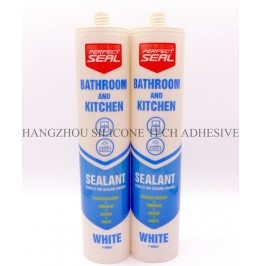
Low VOC Emissions for Healthier Indoor Air
One of the most significant advantages of water-based sealants is their minimal volatile organic compound (VOC) content. Traditional sealants often release harmful chemicals like benzene, formaldehyde, and acetone during curing, contributing to indoor air pollution and health risks such as respiratory issues and allergies.
How Water-Based Sealants Reduce Health Risks
Water-based formulations use water as the primary solvent instead of toxic chemicals. This means:
-
No harsh odors: Unlike solvent-based sealants, which emit strong fumes, water-based options have a mild, neutral scent that dissipates quickly.
-
Safer for vulnerable groups: Families with children, elderly members, or pets benefit from reduced exposure to harmful substances.
-
Certifications for peace of mind: Many water-based sealants meet strict environmental standards, ensuring compliance with health and safety regulations.
Non-Toxic Composition for Safe Application
Water-based sealants are formulated without hazardous additives like phthalates, heavy metals, or isocyanates, which are commonly found in solvent-based products. This makes them safer to handle during application and reduces the risk of skin irritation or chemical burns.
Key Non-Toxic Features
-
Water cleanup: Spills or excess sealant can be easily cleaned with soap and water, eliminating the need for harsh solvents.
-
No flammability risks: Unlike solvent-based sealants, which are highly flammable, water-based options are non-combustible, enhancing safety in enclosed spaces.
-
Biodegradable ingredients: Many formulations incorporate plant-based or renewable resources, reducing their environmental impact over time.
Mold and Mildew Resistance for Long-Term Hygiene
Kitchens and bathrooms are prone to moisture buildup, creating ideal conditions for mold and mildew growth. Water-based sealants address this issue through advanced antimicrobial technology.
How Antimicrobial Additives Work
-
Inhibiting microbial growth: Specialized additives disrupt the cellular structure of mold and mildew, preventing them from colonizing the sealant surface.
-
Long-lasting protection: Unlike temporary solutions like sprays, antimicrobial properties are integrated into the sealant, providing continuous defense against fungi.
-
Easy maintenance: Resistant surfaces require less frequent cleaning, saving time and effort while maintaining a pristine appearance.
Versatile Applications for Seamless Design
Water-based sealants are not only eco-friendly but also highly adaptable. They bond effectively to a wide range of materials, including ceramic tiles, glass, stainless steel, and engineered stone, making them ideal for various kitchen and bathroom surfaces.
Design Flexibility and Aesthetic Appeal
-
Paintable finishes: Unlike traditional silicone sealants, which cannot be painted, water-based options accept latex or acrylic paints, allowing for custom color matching.
-
Transparent or tinted options: Available in clear or colored formulations, these sealants blend seamlessly with existing decor or create accent lines for visual interest.
-
Smooth application: Their creamy consistency ensures easy tooling and a professional finish, even for DIY enthusiasts.
Sustainable Manufacturing and Disposal
The eco-friendly benefits of water-based sealants extend beyond their use to their production and disposal.
Environmental Advantages
-
Reduced carbon footprint: Manufacturing water-based sealants requires less energy compared to solvent-based alternatives, lowering greenhouse gas emissions.
-
Lower waste generation: Their high solid content means less product is needed per application, minimizing packaging waste.
-
Safe disposal: Unlike solvent-based sealants, which require hazardous waste disposal, water-based options can often be discarded with regular trash or recycled where facilities exist.
By choosing water-based kitchen and bathroom sealants, homeowners can enjoy a cleaner, healthier living environment while supporting sustainable practices. Their combination of low VOC emissions, non-toxic composition, mold resistance, and design versatility makes them an ideal solution for modern eco-conscious households.
Prev: Solvent-based bathroom sealant bonding strength
Next: Room temperature curing bathroom anti-mold sealant curing conditions


