E-mail:
sales@silicone-sealant-china.com

When it comes to bathroom renovations and maintenance, the choice of sealant is crucial. High - solid - content bathroom sealants have gained significant attention due to their excellent filling performance, which plays a vital role in ensuring a watertight and durable bathroom environment.
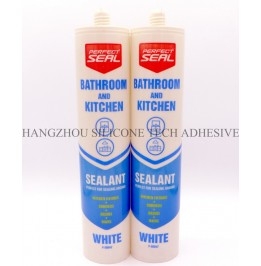
High - solid - content sealants are formulated with a relatively large proportion of solid materials compared to traditional sealants. These solids typically include polymers, fillers, and other additives that contribute to the overall performance of the sealant. The high solid content means that there is less solvent or volatile components in the product, resulting in a thicker and more viscous consistency.
The polymers in high - solid - content sealants form the backbone of the material, providing flexibility, adhesion, and durability. Fillers, such as calcium carbonate or silica, are added to enhance the mechanical properties, reduce cost, and improve the filling ability. Other additives may include plasticizers to increase flexibility, curing agents to initiate the hardening process, and stabilizers to prevent degradation over time.
Compared to low - solid - content sealants, high - solid - content options offer several distinct advantages. Firstly, they have a lower shrinkage rate during curing. Low - solid sealants often contain a large amount of solvent that evaporates during the drying process, leading to significant shrinkage and potential gaps or cracks in the seal. High - solid sealants, on the other hand, have less solvent to evaporate, resulting in minimal shrinkage and a more reliable long - term seal.
Secondly, high - solid - content sealants provide better coverage and filling ability. Their thicker consistency allows them to fill larger gaps and irregular surfaces more effectively, reducing the need for multiple applications or additional filling materials. This not only saves time and effort during the installation process but also ensures a more uniform and aesthetically pleasing finish.
In bathrooms, there are numerous gaps around fixtures such as sinks, toilets, and bathtubs. These gaps are potential entry points for water, which can cause damage to the underlying structure and lead to mold and mildew growth. High - solid - content sealants are well - suited for filling these gaps due to their excellent adhesion and filling ability.
When applying the sealant around a sink, for example, the high - solid formulation can easily conform to the irregular shape of the gap between the sink and the countertop. It fills the space completely, creating a tight seal that prevents water from seeping through. The strong adhesion of the sealant ensures that it remains in place even under the constant exposure to water and moisture in the bathroom environment.
Bathroom tiles are often installed with grout lines between them, but these grout lines can deteriorate over time, especially in areas exposed to high levels of moisture. High - solid - content sealants can be used to seal the joints between tiles, providing an additional layer of protection against water infiltration.
The thick consistency of the sealant allows it to fill the grout lines evenly, covering any cracks or gaps that may have developed. It also forms a smooth surface that is easy to clean and maintain, reducing the risk of dirt and grime buildup. Additionally, the flexibility of the high - solid sealant enables it to accommodate the slight movements of the tiles due to temperature changes or settling, preventing the formation of new cracks.
Over time, bathroom surfaces such as walls and floors may develop cracks due to various factors, including structural movement, water damage, or aging. High - solid - content sealants can be used to repair these cracks, restoring the integrity of the surface and preventing further damage.
When repairing a crack in a bathroom wall, the high - solid sealant can be applied directly into the crack, filling it completely. Its strong bonding properties ensure that it adheres firmly to the surrounding surface, creating a durable repair. The sealant can also be sanded and painted over once it has cured, allowing for a seamless finish that blends in with the rest of the wall.
The temperature and humidity levels during the application of high - solid - content bathroom sealants can have a significant impact on their filling performance. In general, most sealants perform best when applied within a specific temperature range, typically between 50°F and 90°F (10°C - 32°C).
If the temperature is too low, the sealant may become too thick and difficult to apply, resulting in an uneven fill. On the other hand, if the temperature is too high, the sealant may cure too quickly, leaving insufficient time for proper filling and smoothing. Humidity also plays a role, as high humidity can slow down the curing process, while low humidity can cause the sealant to dry out too quickly.
Proper surface preparation is essential for achieving optimal filling performance with high - solid - content sealants. The surface to be sealed should be clean, dry, and free of any dust, dirt, grease, or old sealant residues. Any loose or flaking material should be removed, and the surface should be roughened slightly to improve adhesion.
For non - porous surfaces such as glass and ceramic tiles, a simple cleaning with a mild detergent and water followed by rinsing and drying is usually sufficient. For porous surfaces like concrete and natural stone, it may be necessary to use a specialized cleaner or etch the surface slightly to ensure good bonding. Failure to properly prepare the surface can result in poor adhesion and reduced filling performance.
The curing time of high - solid - content sealants is another important factor affecting their filling performance. Curing refers to the process by which the sealant hardens and reaches its full mechanical properties. Different sealants have different curing times, which can range from a few hours to several days depending on the formulation and environmental conditions.
It is important to allow the sealant to cure completely before exposing it to water or other stressors. Premature exposure to water can cause the sealant to soften or wash away, compromising its filling ability and durability. Following the manufacturer's recommended curing time is crucial for ensuring a long - lasting and effective seal.
In conclusion, high - solid - content bathroom sealants offer excellent filling performance in a variety of bathroom scenarios. Their unique composition and advantages over low - solid sealants make them a reliable choice for sealing gaps, joints, and cracks. By considering factors such as application temperature, surface preparation, and curing time, homeowners and contractors can achieve optimal results and create a watertight and durable bathroom environment.
Copyright 2019 by Hangzhou Silicone Tech Adhesive Co., Ltd. All rights reserved.
Bathroom Sealant | Acrylic Sealant | Dow Corning 795 | Aquarium Sealant | Dow Corning 732 | Clear Silicone Sealant | Polysulfide Sealant | Glazing Sealant | Mirror Sealant | IG Sealant
Powered by Onepound


