E-mail:
sales@silicone-sealant-china.com

When renovating or maintaining kitchens and bathrooms, selecting the right sealant and applying it correctly is crucial for long-lasting waterproofing and aesthetic appeal. Lightweight sealants designed specifically for these high-moisture areas offer flexibility, mold resistance, and ease of application. However, achieving professional-grade results with thin-coat techniques requires attention to detail. Here’s how to master this approach.
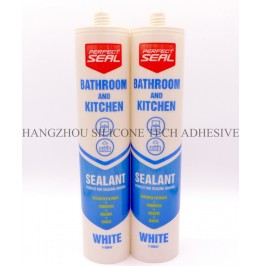
Thin-coat application of lightweight sealants provides several advantages over traditional thick layers. First, it reduces material waste and minimizes the risk of uneven curing, which can lead to cracking or shrinkage over time. Thin layers also dry faster, allowing for quicker project completion without compromising adhesion or durability. Additionally, a smooth, thin finish creates cleaner lines and a more polished appearance, especially around sinks, showers, and backsplashes where precision matters most.
For areas with frequent movement, such as joints between tiles or around fixtures, thin coats adapt better to subtle shifts without losing their seal. This flexibility is particularly valuable in kitchens and bathrooms, where temperature fluctuations and humidity changes are common. By focusing on thin, even layers, you ensure the sealant remains effective against water infiltration while maintaining its structural integrity.
Proper surface preparation is the foundation of any successful sealant application, especially when working with thin coats. Start by thoroughly cleaning the area to remove dirt, grease, soap scum, or old sealant residue. Use a non-abrasive cleaner and a stiff brush to scrub surfaces, then rinse with water and allow them to dry completely. Any moisture trapped beneath the sealant can weaken adhesion and lead to mold growth over time.
Next, inspect the surface for cracks, holes, or uneven spots. Repair minor imperfections with a suitable filler and sand smooth once dry. For porous materials like natural stone or unsealed grout, apply a primer designed to enhance sealant adhesion. This step is critical for thin-coat applications, as even small gaps or rough textures can compromise the seal’s effectiveness.
Finally, mask adjacent areas with painter’s tape to create clean edges and prevent accidental smears. Choose a high-quality tape that removes easily without leaving residue, and position it just outside the intended sealant line. This extra step ensures a professional finish and simplifies cleanup once the sealant cures.
To achieve a flawless thin-coat seal, start by selecting a sealant with a low viscosity and high elongation properties. These characteristics allow the material to flow smoothly into joints while maintaining flexibility after curing. Cut the nozzle of the sealant tube at a 45-degree angle, adjusting the opening size to match the width of the gap you’re filling. A smaller opening provides greater control for thin applications.
Hold the caulking gun at a consistent 45-degree angle to the surface and apply steady pressure on the trigger. Move the gun slowly along the joint, maintaining a continuous bead of sealant without gaps or breaks. Avoid stopping and starting mid-joint, as this can create weak spots or visible seams. If you must pause, release pressure on the trigger and lift the nozzle slightly before resuming.
Once the sealant is applied, use a caulk smoothing tool or a damp finger dipped in soapy water to shape the bead. Gently glide the tool along the joint, pressing lightly to ensure full contact with both sides while removing excess material. For thin coats, focus on creating a slight concave shape that sheds water rather than trapping it. This technique enhances durability and prevents discoloration over time.
After applying the sealant, allow it to cure according to the manufacturer’s instructions before exposing it to water or moisture. Curing times vary based on temperature and humidity, but thin coats typically dry faster than thicker layers. Avoid disturbing the seal during this period, as premature movement can weaken adhesion or create uneven surfaces.
Once fully cured, inspect the seal for any imperfections or areas where the sealant may have pulled away from the surface. Touch up these spots immediately with a small amount of fresh material, blending it seamlessly into the existing seal. Regular maintenance, such as cleaning the sealed area with mild soap and water, helps prolong its lifespan and prevents mold or mildew buildup.
In high-traffic kitchens or bathrooms, reapply sealant every few years or as soon as signs of wear appear. Thin-coat applications make this process simpler, as you can focus on targeted areas without needing to remove large sections of old material. By staying proactive with maintenance, you ensure your kitchen and bathroom remain protected against water damage and look their best for years to come.
Copyright 2019 by Hangzhou Silicone Tech Adhesive Co., Ltd. All rights reserved.
Bathroom Sealant | Acrylic Sealant | Dow Corning 795 | Aquarium Sealant | Dow Corning 732 | Clear Silicone Sealant | Polysulfide Sealant | Glazing Sealant | Mirror Sealant | IG Sealant
Powered by Onepound


