E-mail:
sales@silicone-sealant-china.com

Walk into any bathroom and look down. The grout lines between the floor tiles are dark, cracked, or missing entirely in spots. Maybe there is a hairline gap running from the shower base to the vanity. Maybe the grout near the drain has crumbled away and left a wide open channel. Either way, water is finding those gaps every single time you shower, and it is going somewhere you cannot see.
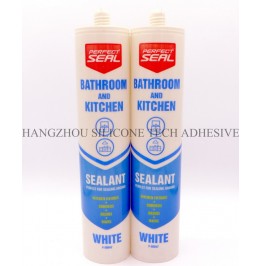
Re-sealing floor tile gaps is not glamorous. It is messy, it takes patience, and most people put it off until the tile starts lifting or the subfloor smells like mildew. But getting it right takes an afternoon and saves you from ripping out tiles later.
Grout is not waterproof. People act like it is, but it is not. Grout is a cement-based material that absorbs water like a sponge. Every time you shower, water soaks into the grout, sits there, and slowly breaks it down from the inside. The grout softens, cracks, crumbles, and eventually falls out of the joint entirely.
Once the grout is gone, you have an open channel between the tiles. Water runs straight through that channel and hits the thinset mortar underneath. The thinset absorbs the water, swells, and loses its bond to the tile. The tile lifts. Water gets under the tile and into the subfloor. From there, it rots the joists, warps the plywood, and creates a smell that never fully goes away.
The gaps near the drain are the worst. Water pools there every time you shower. The grout in that area takes the most abuse and fails first. By the time you notice a gap near the drain, there is probably already water damage under the tile that you cannot see.
Epoxy grout is not technically a sealant, but it is the closest thing to a permanent fix for floor tile gaps. Unlike cement grout, epoxy does not absorb water. It stays hard, stays bonded, and does not crack under normal use. It also resists mold and staining, which makes it ideal for bathroom floors.
The downside is that epoxy grout is harder to apply than regular grout. It cures fast, which means you have to work quickly. And if you make a mistake, it is almost impossible to remove without damaging the tile. But if you are re-sealing an entire bathroom floor, epoxy grout is worth the extra effort.
If the gaps are too wide for grout — say wider than 6 millimeters — or if you do not want to pull out the old grout and start over, silicone sealant is the next best thing. It is fully waterproof, stays flexible for years, and bonds well to most tile surfaces.
Pick a high-movement silicone with at least 250 percent elongation. Floor tiles shift slightly under foot traffic and when the subfloor expands with moisture. A rigid sealant cracks under that movement. A high-movement silicone flexes with it and stays intact.
Neutral-cure silicone is the safer choice for bathroom floors. Acetoxy silicone smells like vinegar and can discolor light-colored grout over time. Neutral-cure has no smell and bonds better to most tile and grout surfaces.
If your bathroom floor gets a lot of foot traffic — kids running in and out of the shower, heavy bottles dropped on the tile — polyurethane sealant holds up better than silicone. It bonds more aggressively to tile and grout, resists abrasion, and handles physical stress without peeling away.
Hybrid sealants are another solid option. They flex like silicone and bond like polyurethane. For floor gaps that need to stay sealed under constant movement and occasional abuse, hybrids tend to outlast pure silicone.
Skip acrylic latex caulk on floor tile gaps. It is not waterproof, it shrinks as it dries, and it will pull away from the grout within weeks. It belongs on dry interior trim, not on a bathroom floor.
This is the step nobody wants to do, but it is the most important one. If there is any old grout left in the gap — even a thin layer — the new sealant will not bond to the actual tile edges. It will bond to the old grout, and the old grout will crumble out, taking the new sealant with it.
Use a grout removal tool or a thin flathead screwdriver to scrape out as much old grout as you can. Get down to the bare edges of the tile. The gap should be clean, dry, and free of any loose material.
If the old grout is stubborn, soak it with warm water for 15 minutes to soften it, then scrape again. Do not use harsh chemicals — they can damage the tile surface or the thinset underneath.
After scraping out the old grout, wipe the entire gap with isopropyl alcohol. Not water, not soapy water — isopropyl alcohol. It cuts through grease, removes soap scum residue, and evaporates completely, leaving a perfectly clean surface for bonding.
Let the gap dry for at least 20 minutes. Any moisture left in the joint will prevent the sealant from bonding properly and can cause it to fail from the inside out.
If you see mold or mildew in the gap, kill it before you seal. A diluted bleach solution or white vinegar works fine. Scrub it out with an old toothbrush, rinse thoroughly with clean water, and let it dry completely before moving on.
If the gap is narrow — under 5 millimeters — you can fill it directly with sealant. But if the gap is wider, stuff a foam backer rod into the joint first.
The backer rod controls the depth of the sealant bead and gives it something to bond to. Without it, you end up using too much sealant, it takes forever to cure, and the center of the bead stays soft for days. A backer rod also creates a concave shape that directs water away from the gap instead of trapping it.
Cut the rod to length, press it firmly into the gap so it sits about 3 to 5 millimeters below the tile surface, and then apply your sealant on top.
Push the sealant deep into the gap. Do not just lay a bead on top — press it in with a small tool or a putty knife so it fills the entire depth of the joint. Air pockets are weak spots where moisture gets in and the bond fails.
The sealant should sit slightly below the tile surface — about 1 to 2 millimeters recessed. A bead that sits proud of the tile surface gets scraped off by foot traffic and cleaning tools within weeks. A recessed bead stays protected and lasts much longer.
After filling the gap, tool the sealant into a smooth, even line that is flush with or slightly below the tile surface. Use a wet finger or a small silicone tool and press the sealant firmly into both tile edges.
Work quickly. Most sealants begin skinning over within 10 to 15 minutes, and once that happens, you cannot tool it properly anymore. Wipe your tool with a damp cloth between passes to keep it from grabbing the sealant.
The finished bead should be slightly concave — like a shallow channel that slopes away from the center of the gap. This directs water along the sealant line instead of letting it pool on top.
Most sealants need 24 to 48 hours to cure completely. During that time, do not walk on the sealed gaps. Do not run water over them. Do not clean the floor near them. Let the sealant bond to both tile edges without any stress.
If you walk on the sealant before it cures, you compress the bead and create gaps at the edges. The sealant bonds to one tile but not the other, and the whole thing fails from the weak side.
The drain is the wettest spot on any bathroom floor. Water pools there every time you shower, and the grout around the drain takes more abuse than anywhere else.
Use a high-movement silicone or a hybrid sealant around the drain gap. Apply it over a backer rod, build up in thin layers, and tool it into a smooth concave shape that slopes away from the drain. Check this gap every three months — it degrades faster than the rest of the floor because it is exposed to standing water and foot traffic.
The threshold where the shower floor meets the rest of the bathroom is a high-stress zone. Water splashes over it constantly, and the gap between the threshold and the main floor is usually one of the first places to fail.
Seal this gap with a polyurethane or hybrid sealant. Apply it over a backer rod, press it firmly into both the threshold and the main floor tile, and tool it smooth. The bead should slope away from the shower side so water runs out instead of pooling at the joint.
The joint where the floor tiles meet the wall tiles is often overlooked. Most people seal the wall-to-wall joint but skip the floor-to-wall joint. That gap is just as vulnerable, and water gets in there every time you shower.
Run a thin bead of sealant along the entire perimeter where the floor meets the wall. Use a backer rod if the gap is wide, apply in thin layers, and tool it smooth. This seal works together with the wall joint seal to keep water out of the entire bathroom envelope.
Even the best sealant job does not last forever. In a bathroom environment, most floor gap sealants start losing flexibility within two to four years. After that, you will notice small cracks forming along the bead, or the sealant will begin to pull away from the grout edges.
Check every floor gap at least twice a year. Run your finger along the sealant line and feel for any cracks, gaps, or rough spots. If the sealant feels hard and brittle instead of soft and flexible, it has lost its elasticity and needs to be replaced.
When re-sealing, always remove the old sealant completely. Scrape it out of the gap, clean the surfaces with isopropyl alcohol, reapply fresh sealant in thin layers, and tool it smooth. Patching over old sealant with new sealant does not work — the old layer prevents proper adhesion, and the new sealant fails just as fast as the last one did.
One more thing that matters more than people think: if your bathroom does not have a working exhaust fan, no sealant in the world will keep those floor gaps clean for long. An exhaust fan removes moisture before it has a chance to settle into the grout lines and attack the sealant. Sealant handles the water that gets in. A fan keeps the moisture from building up in the first place. Use both, and your floor stays solid for years.
Copyright 2019 by Hangzhou Silicone Tech Adhesive Co., Ltd. All rights reserved.
Bathroom Sealant | Acrylic Sealant | Dow Corning 795 | Aquarium Sealant | Dow Corning 732 | Clear Silicone Sealant | Polysulfide Sealant | Glazing Sealant | Mirror Sealant | IG Sealant
Powered by Onepound


