E-mail:
sales@silicone-sealant-china.com

There's a reason most people don't think about their bathroom drain pipes until something goes wrong. They're hidden under the sink, behind the toilet, or buried in the wall. Out of sight, out of mind — until you notice a damp spot on the ceiling below, or that musty smell that never quite goes away no matter how many candles you light.
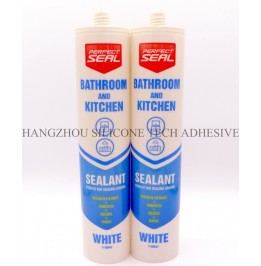
Drain pipe leaks are sneaky. They don't announce themselves with a dramatic flood. They start slow — a tiny drip, a faint stain, a little mold creeping along the base of the wall. By the time you actually see the damage, water has been sitting in places it shouldn't be for weeks or even months.
Sealing those pipe joints properly is one of the cheapest, fastest ways to protect your bathroom from serious water damage. And it doesn't take a plumber to do it.
It's not usually because the pipe itself is broken. The pipe is fine. The problem is almost always at the joints — where the pipe meets the wall, where it connects to the fixture, or where two pipe sections join together.
Over time, those connections loosen. Pipes expand and contract with hot and cold water. The building settles slightly. Vibrations from daily use create micro-movements. All of this slowly opens up tiny gaps at the joints, and water finds its way out.
In bathrooms, it's even worse. The constant moisture and temperature swings accelerate everything. A joint that might hold up fine in a dry room falls apart in months inside a bathroom. And once water starts escaping, it pools in the wall cavity or under the floor, creating the perfect environment for mold and rot.
The fix isn't replacing the pipe. It's sealing the joint. A proper bead of sealant fills the gap, blocks moisture, and keeps everything tight for years.
This is where a lot of people get it wrong. They use the wrong type of sealant, and then wonder why it's leaking again after two weeks.
Acrylic sealant, latex caulk, painters caulk — none of these belong anywhere near a drain pipe. They're not water-resistant, they shrink as they dry, and they have zero flexibility. The moment the pipe shifts even slightly, the seal cracks and water gets through.
100% silicone sealant is what you need. It stays permanently flexible, it bonds to PVC, metal, and ceramic, and it handles constant water exposure without breaking down. If it's not silicone, don't bother. You're wasting your time.
The area around a drain pipe is dark, damp, and warm. It's basically mold heaven. Any sealant you use there should have built-in anti-mold protection. Most bathroom-grade silicones include this, but always check the label. If the sealant itself starts growing black spots within a few months, you haven't solved the problem — you've just created a new one.
Around the actual pipe — where the drain meets the floor or wall — transparent silicone is the way to go. It blends in, doesn't look messy, and lets you see if there's still moisture or mold forming underneath. For joints where the pipe meets a tiled wall, white silicone can work if it matches the grout. But around the pipe itself, transparent wins every time.
This is straightforward, but rushing through it is exactly why most DIY seals fail. Take your time with each step.
Use a utility knife, a caulk remover tool, or even a putty knife to scrape away every bit of old sealant from the joint. Get down to bare pipe and bare wall. If there's any mold on the surface, wipe it down with a diluted bleach solution, let it dry completely, then wipe again with clean water. You cannot seal over old caulk or mold. It won't stick, and you're just trapping the problem under a fresh layer.
This sounds obvious, but most people skip it. After cleaning, wipe the area with a dry cloth and let it sit for at least an hour. Any moisture left in the gap will prevent the silicone from bonding properly. I know you want to get started, but this one step is the difference between a seal that lasts and one that peels off in a week.
If the gap between the pipe and the wall is more than about 5mm, push a foam backer rod into it first. This gives the sealant something to grip onto and controls how deep the bead goes. Without it, you'll use way too much sealant, the bead will be too thick, and it'll take forever to cure properly.
Cut the nozzle at a 45-degree angle — just wide enough to fill the gap, not wider. Load the tube into the gun, press the trigger, and run a smooth, continuous bead all the way around the joint. Don't stop and restart. A continuous bead bonds better and looks cleaner. Apply even pressure so the bead is consistent from start to finish.
You've got about 5 to 10 minutes before the silicone starts skinning over. Use a wet finger (soapy water works great) or a plastic smoothing tool to press the sealant firmly into the gap. The goal is a smooth, concave surface that sits flush with both the pipe and the wall. This pushes the silicone deep into the joint, removes air pockets, and creates a tight seal that water can't get past.
Wipe off any excess with a damp cloth, then walk away. Don't touch it, don't test it, don't run water over it. Leave it alone for at least 24 hours. Ideally 48 hours for a full cure.
Everyone knows to seal under the sink. But there are other pipe joints in a bathroom that leak just as often — and nobody thinks about them until the damage is done.
This is the big one. The toilet sits on a wax ring or rubber gasket that seals the waste pipe to the floor drain. But that seal can shift, dry out, or get damaged during cleaning. Water seeps out around the base, runs under the toilet, and pools on the subfloor. You never see it because the toilet is sitting on top of it.
If you notice any movement when you press on the toilet, or if there's ever been a leak before, pull the toilet, clean the old wax ring off, apply a fresh bead of silicone around the pipe base, then reinstall. It takes about an hour and it prevents a disaster that could cost thousands in floor repairs.
Most bathroom sinks have a bottle trap — that U-shaped pipe under the basin. Where that pipe goes through the wall, there's a joint that's almost never sealed. Water drips from that connection slowly over time, soaking into the wall cavity. Run a bead of silicone all the way around where the pipe passes through the wall. It takes two minutes and it stops a leak you didn't even know you had.
The overflow hole is where excess water drains when the basin gets too full. Behind that hole, there's a pipe connection inside the wall. Most of the time, this joint is completely unsealed. Water splashes into the overflow, travels down the pipe, and leaks out at the wall connection. A small ring of silicone around the overflow pipe where it enters the wall fixes this permanently.
The shower drain pipe usually goes straight down through the floor. Where it meets the shower tray or the floor tile, there's a gap that collects water every single time you shower. If that gap isn't sealed, water works its way under the tray and into the floor structure. Apply silicone around the entire circumference of the drain pipe where it meets the tray or floor. Make sure the bead is continuous — no breaks, no gaps.
I've seen so many good sealant jobs ruined by the same handful of errors. Avoid these and you'll be ahead of most people.
Applying sealant to a wet or damp surface. It won't bond. Dry everything completely first.
Using acrylic or latex instead of silicone. Those products have no business being near a drain pipe.
Not smoothing the bead. An unsmoothed bead has air pockets, poor adhesion, and it traps moisture against the pipe.
Testing the seal too early. If you run water over it after 6 hours, you're undoing your own work. Wait the full 24 to 48 hours.
Skipping the backer rod on wide gaps. This leads to wasted sealant and a weak, shallow bond.
Sealing over old caulk without removing it first. The new sealant won't stick to the old stuff. It'll peel right off.
Silicone sealant doesn't last forever. Even the best bathroom-grade silicone starts to degrade after about 5 to 7 years. In a high-moisture environment like a bathroom, it might need attention sooner.
Once a year, take a look at every drain pipe joint in your bathroom. Check for cracks, gaps, discoloration, or any signs of moisture. If the sealant looks dry, cracked, or pulling away from the edges, strip it out and reapply. It takes fifteen minutes and it saves you from a leak that could destroy your subfloor.
Don't wait until you see water damage. By then, you're dealing with rot, mold, and expensive repairs. A quick check and a fresh bead of silicone every few years keeps everything dry and intact.
Drain pipe leaks don't make noise. They don't announce themselves. They just sit there, slowly doing damage while you have no idea. A proper seal takes twenty minutes, costs almost nothing, and protects your bathroom for years. The joints under your sink, behind your toilet, and around your shower drain are all waiting. Get to them before they get to you.
Copyright 2019 by Hangzhou Silicone Tech Adhesive Co., Ltd. All rights reserved.
Bathroom Sealant | Acrylic Sealant | Dow Corning 795 | Aquarium Sealant | Dow Corning 732 | Clear Silicone Sealant | Polysulfide Sealant | Glazing Sealant | Mirror Sealant | IG Sealant
Powered by Onepound


