
What are the key differences between structural silicone and regular silicone?
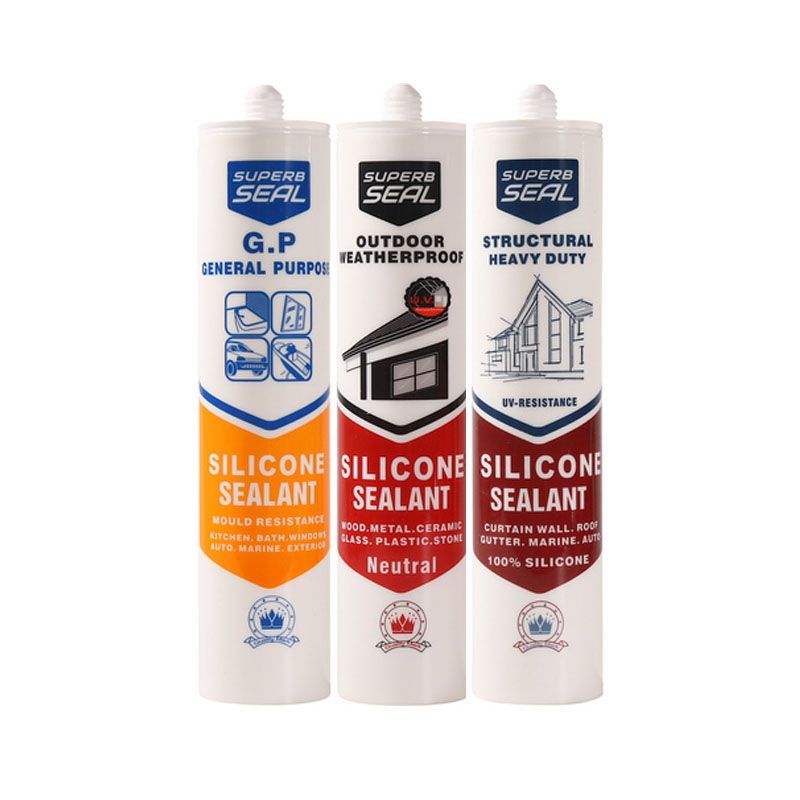
Structural silicone and regular silicone may look the same in a cartridge, but engineers design them for very different jobs. The key differences come down to load-bearing capacity, strength standards, application areas, and cost. Choosing the right type keeps your project safe, watertight, and code-compliant.
What Sets Structural Silicone Apart
It carries structural loads
Structural silicone bonds glass, metal panels, and cladding directly to a building frame. In curtain wall systems, it replaces mechanical fasteners. It transfers wind loads and dead loads from the panel to the structure. Engineers specify it when the sealant itself must hold the building envelope together.
It meets stricter performance standards
Manufacturers test structural silicones to standards such as ASTM C1184 and ETAG 002. These products deliver high tensile strength, stable adhesion, and long-term performance after UV and temperature exposure. For large insulating glass units, contractors often choose a two-component structural silicone sealant.
Where Regular Silicone Works Best
It seals, flexes, and weathers
Regular silicone sealant keeps water, air, and dust out of joints. It flexes with movement, resists mold, and holds up outdoors. You will find it around windows, doors, bathrooms, kitchens, and HVAC ducts.
It is easier to apply and more economical
Regular silicones come in ready-to-use cartridges and cure with atmospheric moisture. They require no mixing and suit smaller repairs and general maintenance. A reliable silicone sealant gives you weather resistance and flexibility without the engineering-grade price tag.
How to Choose the Right Product
Use structural silicone when you bond glass or panels to a frame. The joint must transfer loads, or the project requires certified structural performance. Always follow the manufacturer’s structural glazing guidelines and get engineering approval.
Use regular silicone when you need a waterproof, flexible seal around windows, doors, bathrooms, or HVAC components. If you plan to paint the area afterward, choose an acrylic mastic sealant instead of silicone.
Understanding the key differences helps you pick the right product the first time. Structural silicone supports the building; regular silicone protects it. Match the product to the job, and you will avoid failures, callbacks, and expensive repairs.


