
How Long Does Silicone Seal Last?
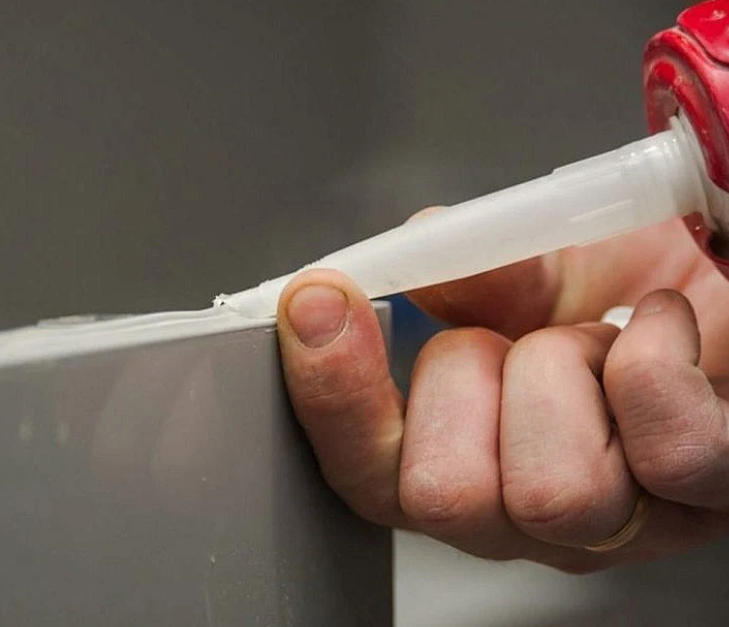
A quality silicone seal can last 10 to 20 years indoors and 5 to 10 years outdoors. Some premium formulations reach 25 years in sheltered conditions. The real lifespan depends on product grade, surface prep, joint design, and exposure to sun, heat, and chemicals.
What Affects Silicone Seal Lifespan
Product grade and formulation
Construction-grade silicones resist UV and temperature cycles better than budget hardware-store caulk. For demanding exterior joints, choose a tested silicone sealant rated for long-term weathering. A Dow Corning 732 grade silicone sealant offers proven performance in industrial and building applications.
Surface preparation and joint design
Silicone sticks best to clean, dry, oil-free surfaces. Dust, soap residue, or old caulk behind the surface become weak points where the bond fails early. Every building joint moves, so follow width-to-depth ratios and use backer rod in deep joints. Proper design lets the sealant flex instead of tear.
Environmental exposure and movement
UV rays, ozone, salt air, and extreme heat accelerate aging. Indoor seals around sinks and tubs face moisture and cleaning chemicals instead. Exterior seals on facades or roofing need higher performance grades than bathroom trim.
Expected Lifespan by Application
Bathrooms, windows, and structural glazing
A quality neutral-cure silicone around tubs and sinks often lasts 10 to 15 years. Exterior window perimeters see thermal movement and rain. Expect 7 to 12 years from a good product, or up to 20 years for engineered facade silicones. Engineered structural silicones carry loads and seal at the same time. These systems can exceed 20 years when engineers specify the right product and installers follow approved procedures. Contractors often choose a two-component structural silicone sealant for large insulating glass units.
When to Replace the Seal
Cracks, splits, shrinking, or powdery residue mean the material has reached end of life. Water stains on drywall, drafts near windows, or mold behind the sink also signal failure. If you can peel the bead away with light finger pressure, the bond has failed and the seal will leak.
How to Make the Seal Last Longer
Painted trim needs an acrylic mastic sealant rather than silicone. Wet areas need mold-resistant silicone. Structural glazing needs an engineered structural grade. Apply silicone when temperatures and humidity fall within the manufacturer’s range. Cold, damp, or dusty conditions hurt adhesion and cure. Let the bead cure fully before water or stress hits it.
Silicone seal lifespan varies. Quality product, clean surfaces, correct joint design, and routine inspection push it past a decade. Replace damaged seal promptly to protect the building and avoid costly repairs.


