
What is the best sealant for outdoors?
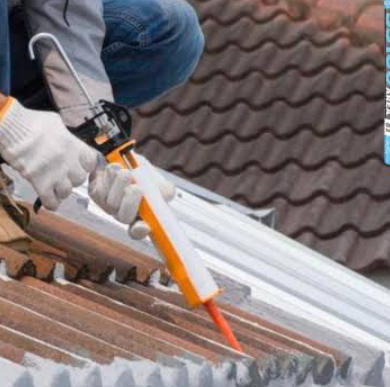
Outdoor sealants face UV rays, rain, frost, and constant movement. The best sealant for outdoors resists all of these without cracking, shrinking, or losing adhesion. Picking the right product saves labor, prevents leaks, and keeps exterior joints looking clean for years.
Why Outdoor Sealants Fail
UV breaks down weak polymers
Direct sunlight attacks cheap sealants. UV exposure turns rubbery compounds brittle and causes surface chalking. A high-quality outdoor silicone uses UV-stable chemistry that holds its flexibility over time.
Temperature swings crack joints
Exterior materials expand in summer heat and contract in winter cold. Sealants must stretch and compress with these cycles. Low-modulus silicones handle movement better than rigid acrylics or butyl products.
Top Choices for Outdoor Sealing
Neutral cure silicone
Neutral cure silicone works on metal, glass, masonry, and painted surfaces without corroding sensitive metals. It releases alcohol during cure, produces little odor, and forms a durable weatherproof skin. For general exterior work, a trusted silicone sealant gives long-lasting protection against rain and UV.
Acrylic mastic for paintable jobs
Acrylic mastic seals gaps around trim, soffits, siding, and windows where you plan to paint afterward. It cleans up with water and accepts paint once cured. Choose an acrylic mastic sealant when the finished surface must blend with surrounding paint.
Structural silicone for curtain walls
Large glass facades and structural glazing demand more than a standard sealant. A two-component structural silicone sealant bonds panels to frames while carrying wind loads. Engineers specify these systems for high-rise and commercial exteriors.
How to Pick the Right Product
Start by identifying the substrate and the joint movement. Use silicone for wet areas, metal, glass, and anywhere you need maximum flexibility. Use acrylic mastic for paintable indoor-outdoor joints with minimal movement. Use structural silicone only when the design calls for load-bearing adhesion.
Surface preparation matters. Clean the joint of dust, grease, and loose material. Insert a backer rod if the gap is deep, then apply the sealant with steady pressure. Tool the bead immediately for good adhesion and a neat finish.
The best sealant for outdoors depends on the job, but silicone remains the top all-rounder for weather resistance and durability. Match the product to the substrate, follow the manufacturer guidelines, and the joint will perform for years.


