E-mail:
sales@silicone-sealant-china.com

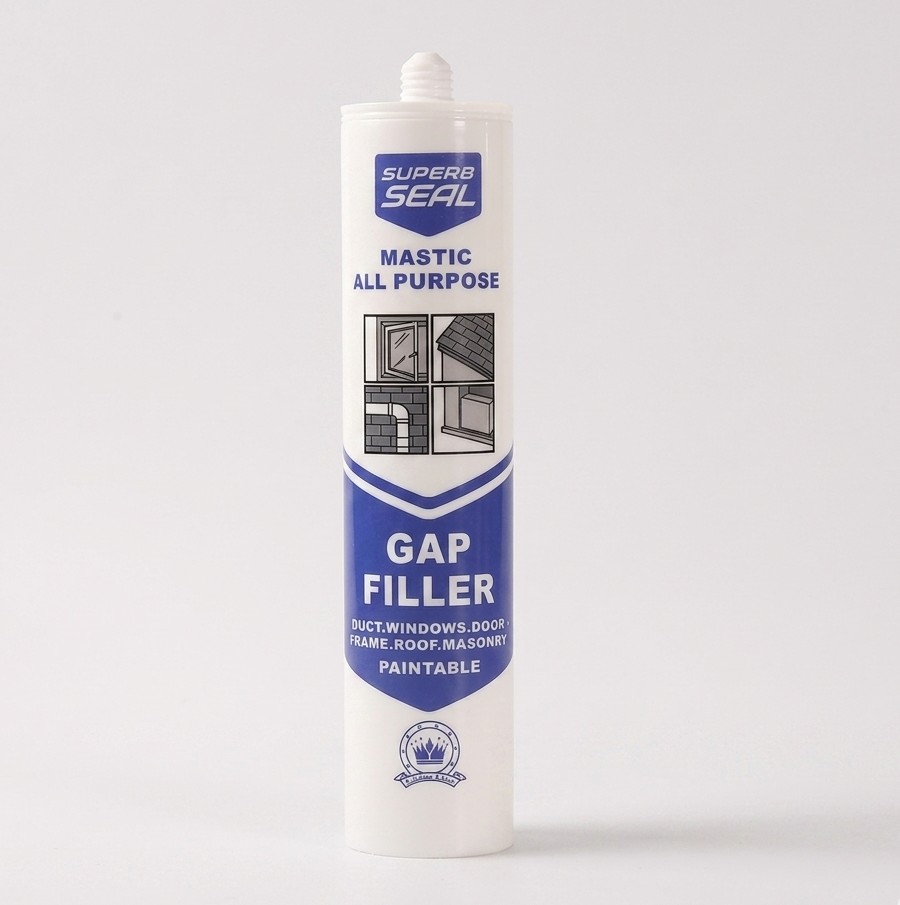
Caulk is a flexible filler that contractors squeeze into gaps, joints, and cracks. It seals against air, water, dust, and pests, and it gives painted surfaces a clean transition. Most caulks are paintable, easy to apply, and clean up with water before they cure.
Every building moves. Frames shift, drywall contracts, and trim gaps open over time. Caulk fills these openings so surfaces look continuous and drafts cannot pass through. It stays slightly flexible, so it does not crack when joints expand and contract.
A proper bead of caulk closes the paths that air, moisture, and insects use to enter a building. Around windows and doors, this reduces energy loss. In kitchens and bathrooms, it stops water from seeping behind fixtures and creating mold.
Unlike silicone, most acrylic caulks accept paint once dry. That makes them ideal for trim, baseboards, crown molding, and anywhere the seal must match the surrounding color. The result looks like part of the wall, not a separate strip.
Contractors run caulk along the edges of window and door frames to seal gaps between the frame and the wall. It blocks wind-driven rain, reduces drafts, and gives the opening a crisp, finished edge.
Sinks, tubs, and countertops move slightly under load and temperature changes. Caulk forms a watertight joint between these fixtures and the surrounding tile or countertop. Choose a mold-resistant formula for wet areas.
Between drywall panels, crown molding, and ceiling seams, caulk hides small gaps that appear after painting. It keeps dust from collecting in cracks and prevents the lines from telegraphing through the finish.
Acrylic caulk works best in dry or occasionally damp areas where the joint needs paint. It tools smoothly, cleans up with water, and costs less than silicone. For paintable gaps around trim, siding, or interior joints, an acrylic mastic sealant is a solid choice.
Silicone handles constant water exposure and extreme movement better than caulk. Use silicone around showers, glass, metal, and exterior joints. A quality silicone sealant keeps wet areas sealed for years without shrinking or cracking.
For structural glazing and curtain-wall work, only engineered structural silicones carry the load. A two-component structural silicone sealant bonds glass panels to frames and handles wind loads in commercial facades.
Clean the joint of dust, grease, and loose paint. Dry the surface so the caulk can bond. Insert a foam backer rod for deep gaps so the caulk does not sag or cure too thick.
Cut the nozzle at a 45-degree angle to match the gap width. Apply steady pressure and move the gun in one smooth stroke. Tool the bead with a wet finger or finishing tool within minutes, then wipe away excess with a damp cloth.
Caulk is a simple material, but it solves real problems. Match the type to the location, prep the surface, and tool the bead for a professional finish that lasts.
Copyright 2019 by Hangzhou Silicone Tech Adhesive Co., Ltd. All rights reserved.
Bathroom Sealant | Acrylic Sealant | Dow Corning 795 | Aquarium Sealant | Dow Corning 732 | Clear Silicone Sealant | Polysulfide Sealant | Glazing Sealant | Mirror Sealant | IG Sealant
Powered by Onepound


